The Landing Pattern
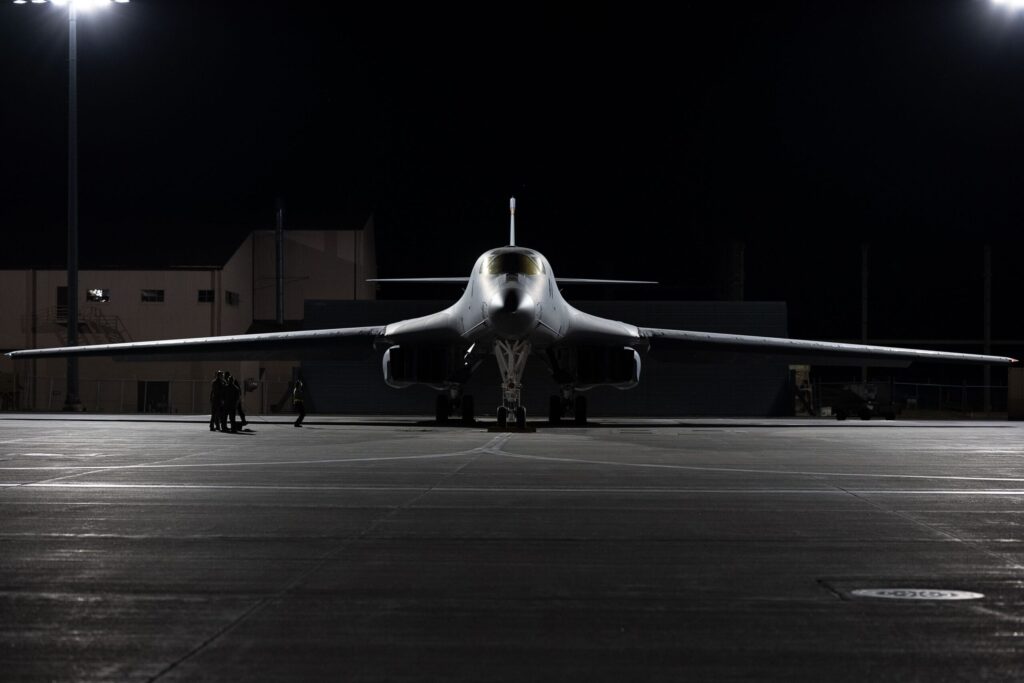
Rockwell B-1B Lancer: Massive Gallery, Video, & Stats
The B-1B Lancer began as the canceled 1970s B-1A Mach 2.2 bomber and was revived in 1981 with greater payload, a far smaller radar signature, and a top speed of Mach 1.2. Production aircraft first flew in 1984, reached IOC in 1986, and have since delivered large shares of the ordnance in several campaigns while holding nearly 50 world records.
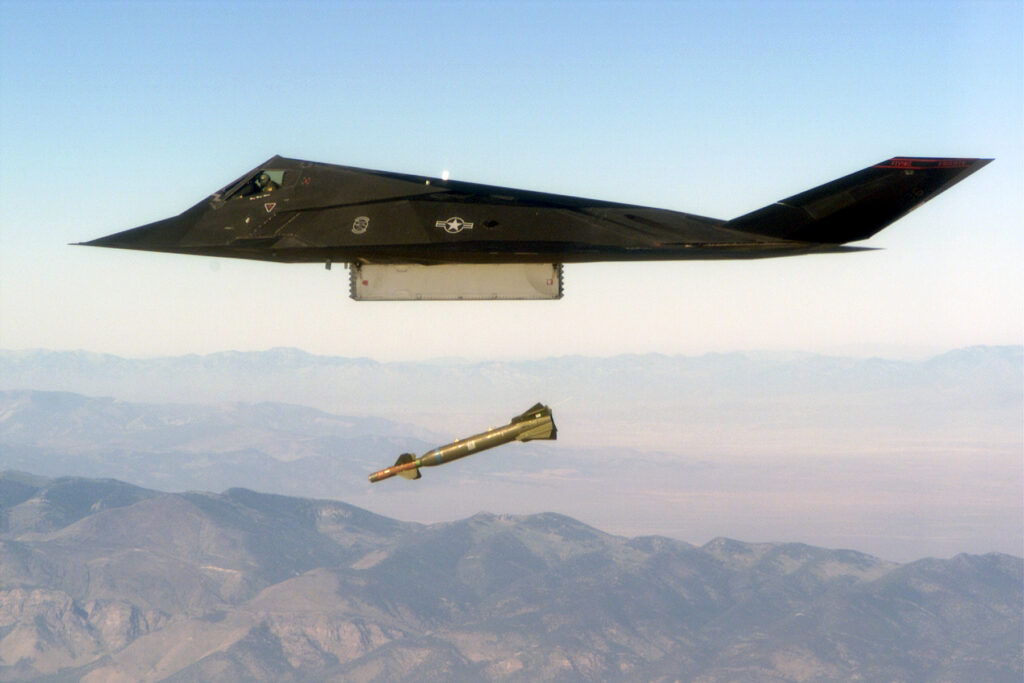
The Secret Birth of the F-117 Nighthawk
Lockheed F-117 Nighthawk In April 1976, DARPA awarded Lockheed’s Skunk Works a contract for the Have Blue stealth demonstrator to prove whether an aircraft with an extremely small radar cross-section was possible.
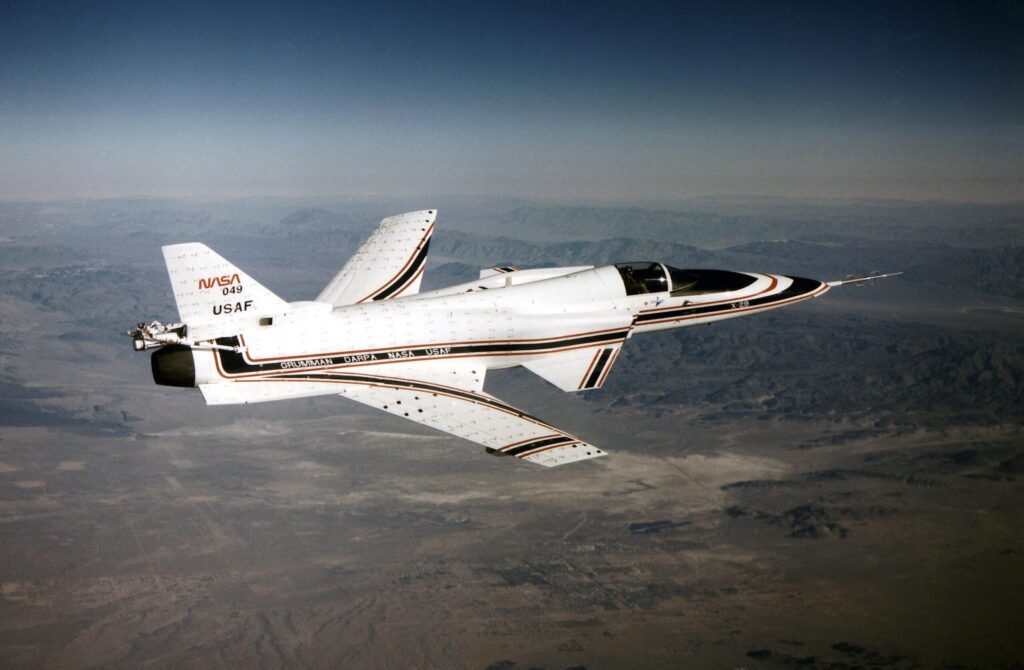
The Backward Wing: Grumman X-29A
By the late 1970s composite materials finally solved a problem that had defeated designers for decades: how to build a forward-swept wing that would not twist itself apart under aerodynamic load.
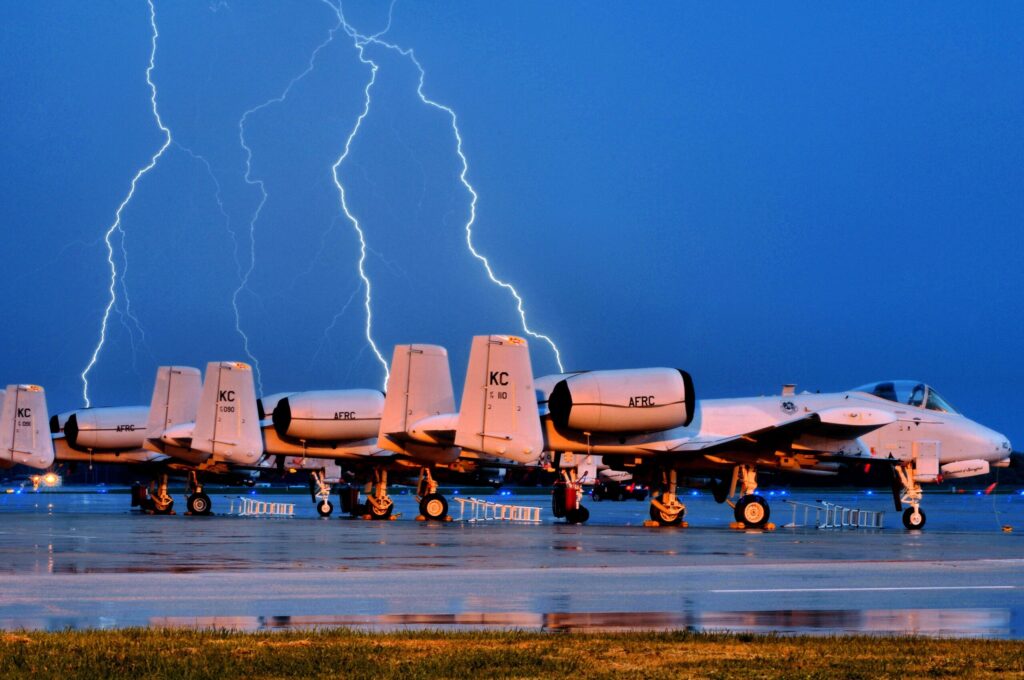
The Gun That Grew Wings: A-10 Thunderbolt II
The Air Force built the A-10 around a single purpose: killing tanks. In the 1960s, with Soviet armor numbers in Europe far outpacing NATO’s, the Air Force launched the Attack Experimental program to find a dedicated close air support aircraft that could survive over the battlefield and destroy armored vehicles at close range.
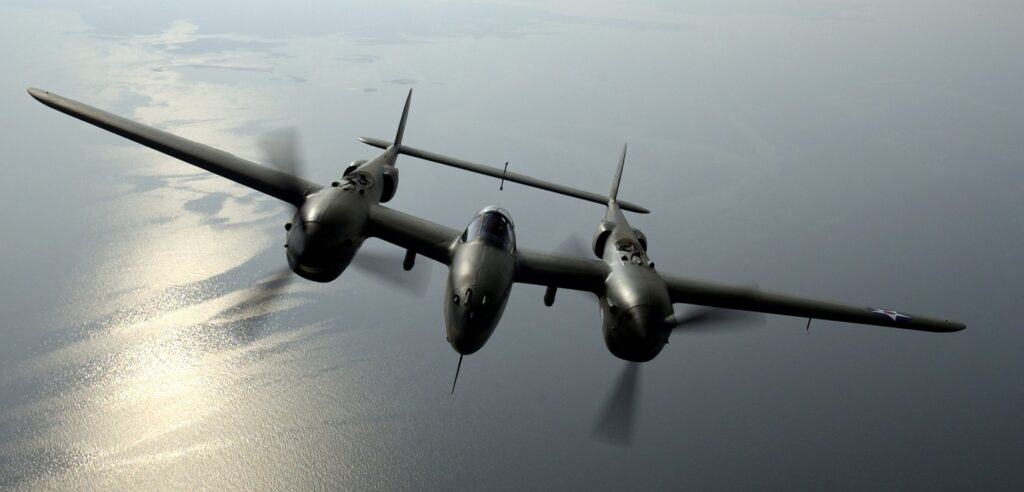
Lockheed P-38 Lightning
Lockheed designed the P-38 in response to a 1937 Army Air Corps specification calling for a fighter with speed, range, and climb rate that seemed impossible to achieve with a single engine. The design team, led by Hall Hibbard and a young engineer named Kelly Johnson, answered with something unlike anything else flying: a twin-boom, twin-engine fighter with a central nacelle for the pilot and nose-mounted guns.
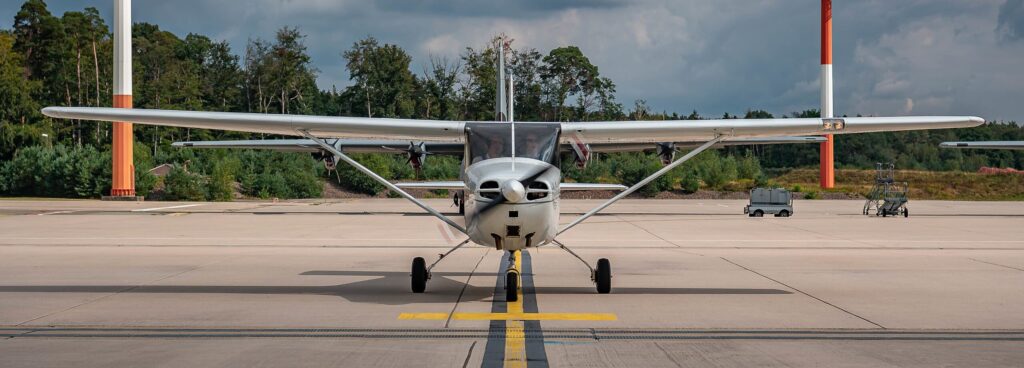
The Cessna 172 Skyhawk: The Most Produced Airplane in History
Cessna delivered the first production Model 172 in 1956, adapting it from the earlier tailwheel-equipped 170 by adding a tricycle landing gear that made it far more forgiving for new pilots to land. The original version came with a 145 hp Continental O-300 engine and a maximum gross weight of 2,200 lb.
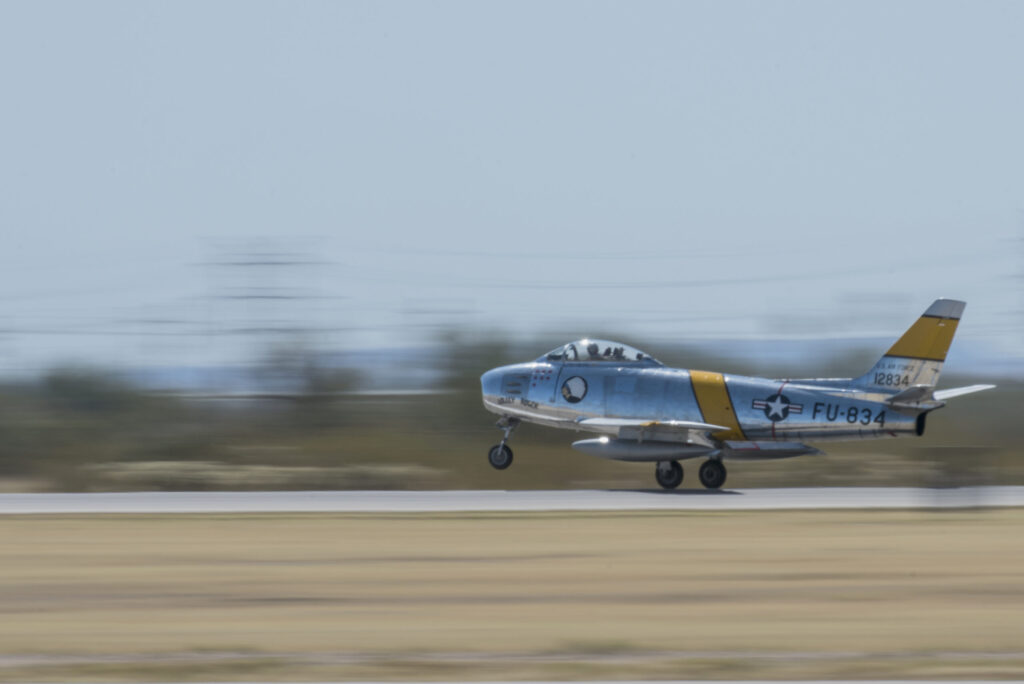
The North American F-86 Sabre: America’s MiG Killer Over Korea
Developed in the years just after World War II, the F-86 Sabre owed its game-changing performance to captured German aerodynamics research. Engineers had originally designed it with straight wings, but data recovered from Messerschmitt’s wartime studies showed that a swept wing could delay the onset of compressibility problems at high speed, so North American reworked the design before it ever flew.
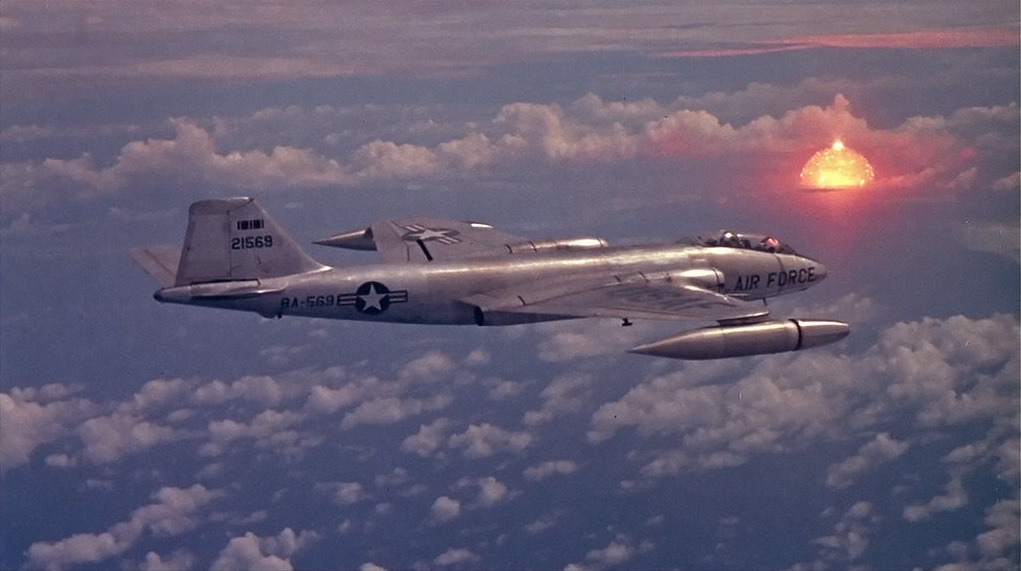
The Martin B-57 Canberra: America’s Only Licensed Foreign Bomber
In 1951, facing an urgent need for a modern tactical bomber during the Korean War, the U.S. Air Force made an unusual decision: rather than develop a new design from scratch, it licensed the British English Electric Canberra and had Martin build it in the United States.
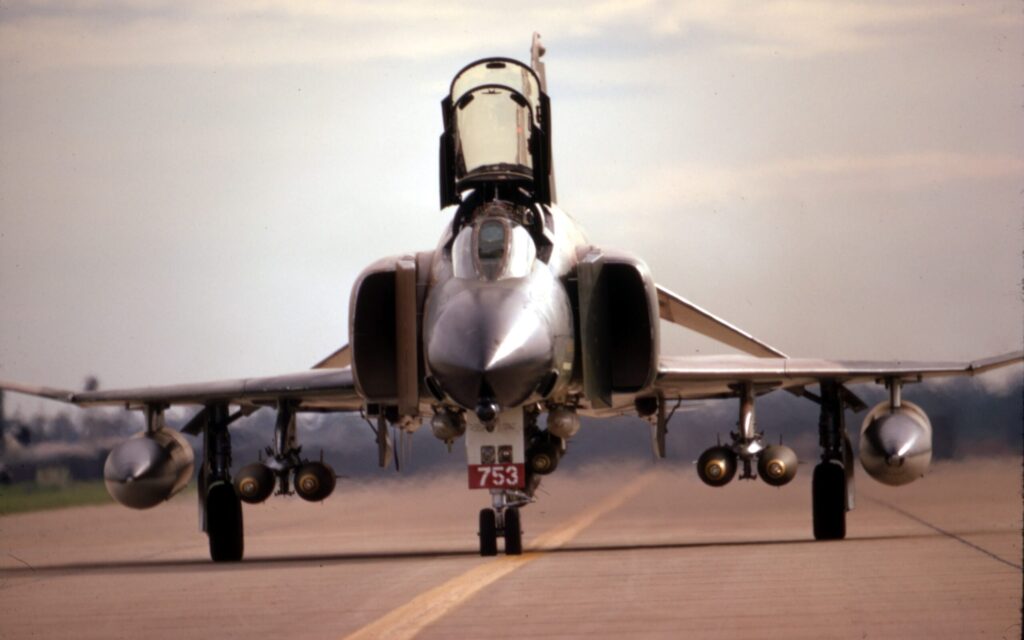
The McDonnell Douglas F-4 Phantom II: The Workhorse of the Vietnam War
Originally designed in the late 1950s as a fleet defense interceptor for the U.S. Navy, the F-4 Phantom II went on to become one of the most widely used American combat aircraft of the Cold War, flown by the Navy, Air Force, and Marine Corps alike.
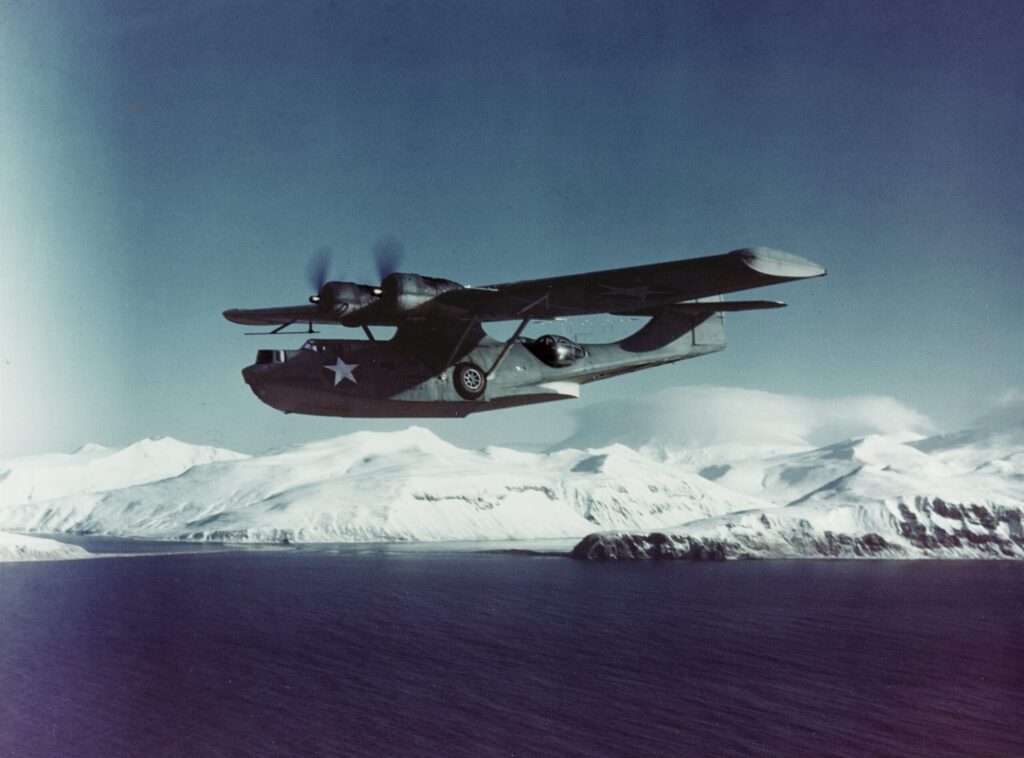
Consolidated PBY Catalina
PBY Catalina: Specifications and Performance The Consolidated PBY Catalina remains one of the most iconic flying boats of World War II. Designed for long-range maritime patrol, it served in anti-submarine warfare, reconnaissance, search and rescue, and transport roles across every major theater.