The Landing Pattern
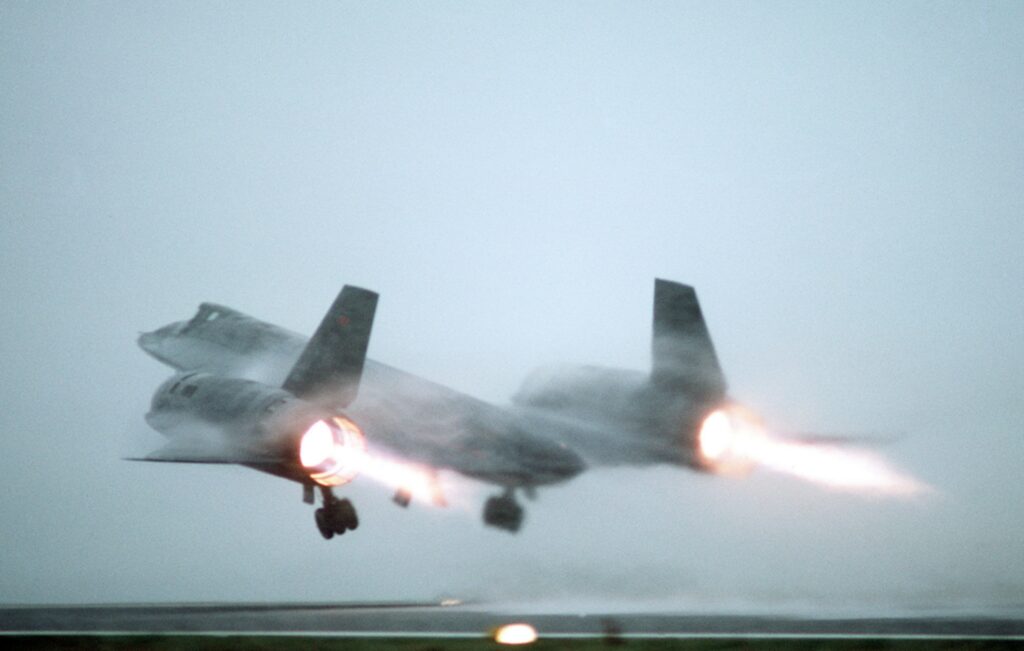
The Lockheed SR-71 Blackbird: Stats + Video + Gallery
The Lockheed SR-71 Blackbird: Built to Outrun Every Threat Developed by Lockheed’s Skunk Works under Kelly Johnson in the early 1960s, the SR-71 Blackbird was designed to fly reconnaissance missions so fast and so high that no missile or interceptor of its era could catch it. Its titanium airframe, much of it milled from metal secretly purchased through Soviet intermediaries, could withstand skin temperatures exceeding 500 degrees Fahrenheit generated by air friction at cruising speed.
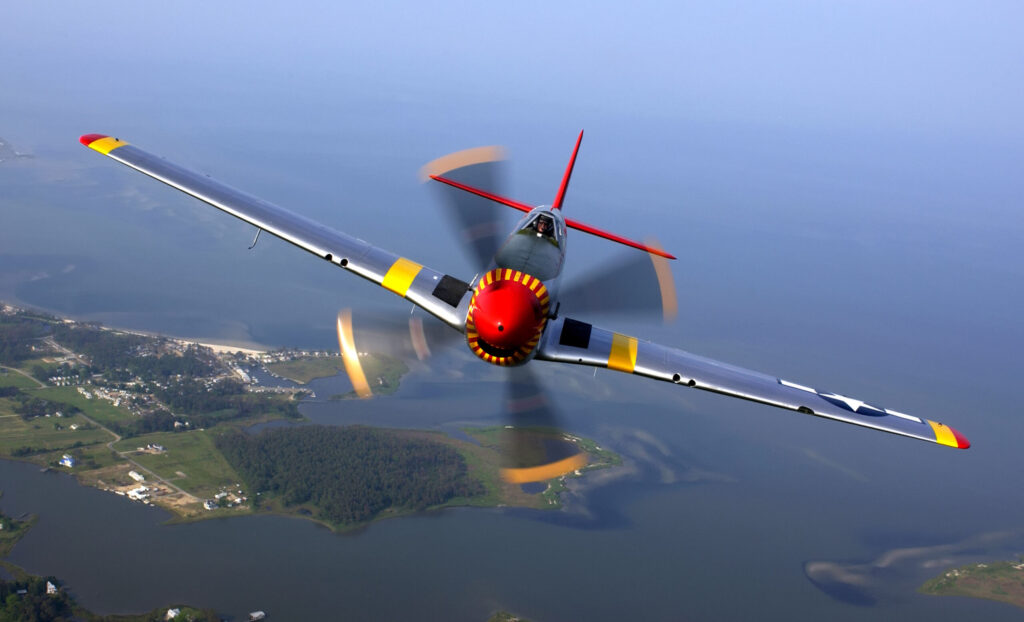
The North American P-51 Mustang: The Fighter That Escorted Bombers All the Way to Berlin
Originally designed in 1940 at the request of the British Purchasing Commission, the P-51 Mustang started out with an Allison engine that performed poorly at high altitude. The aircraft’s fortunes changed when engineers paired the airframe with the British Rolls-Royce Merlin engine, transforming it into one of the best fighters of World War II.
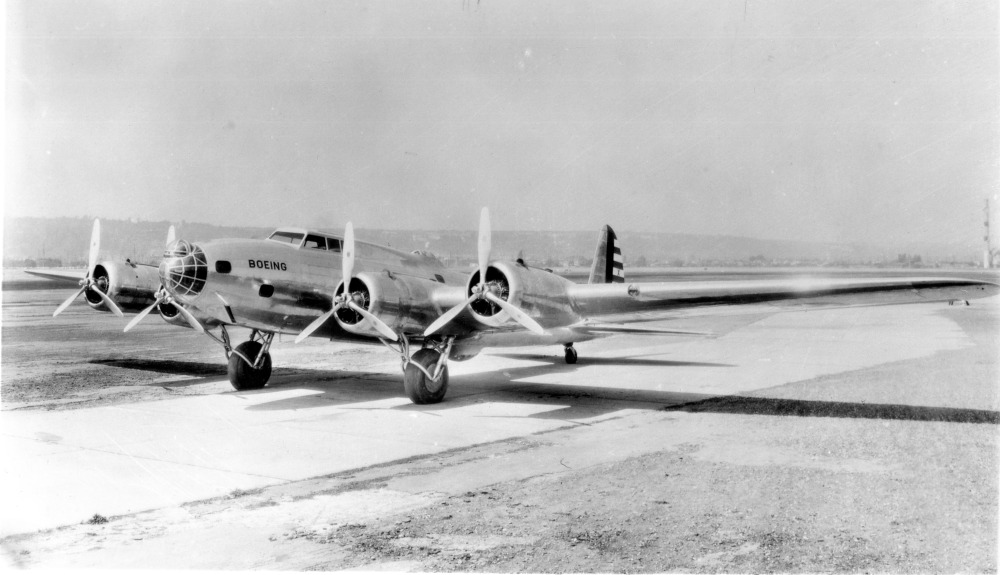
The Boeing Model 299: The Prototype That Became the Flying Fortress
In July 1935, Boeing rolled out the Model 299, a four-engine long-range bomber prototype built at company expense to meet a U.S. Army Air Corps requirement for a bomber that could carry 2,000 pounds of bombs over 2,000 miles at more than 200 mph.
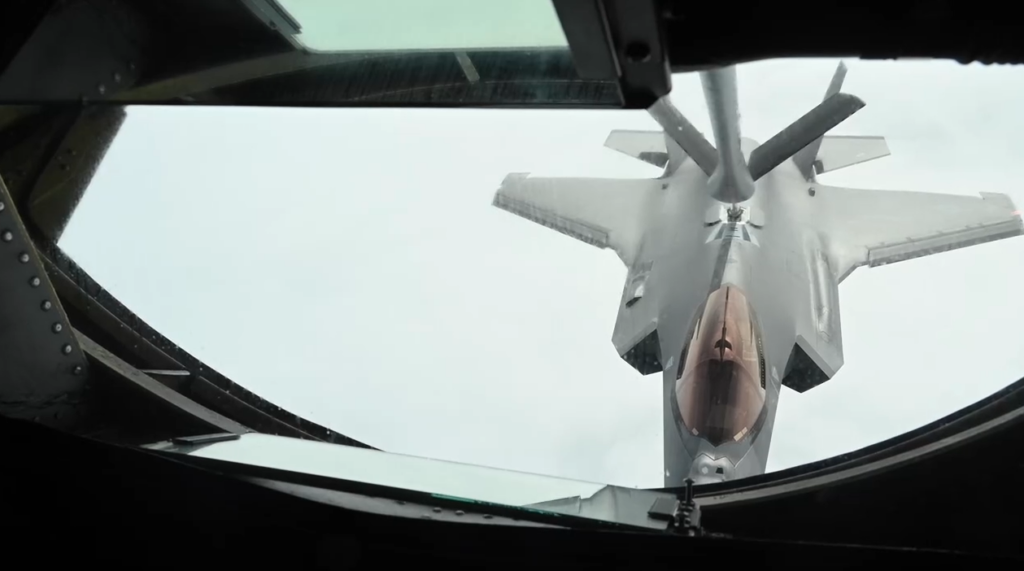
Refueling Video Mix
Includes: B-52 Stratofortress, Blue Angels, B-2 Spirit, A-10 Thunderbolt II, F-15 Eagle, Thunderbirds, F-35 Lightning II, B-1 Lancer, C-130 Hercules, E-7A Wedgetail, F-16 Fighting Falcon
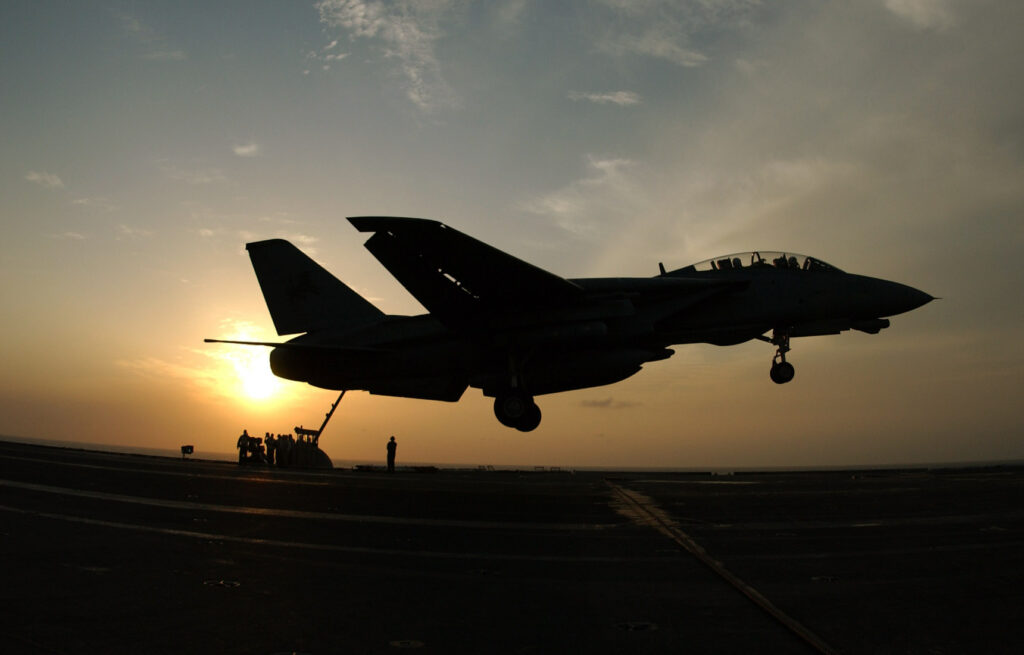
F-14 Tomcat Carrier Landings: Video + Massive Gallery + Stats
Approach Parameters Arresting Gear Landing Signal Officer (LSO) Grading Every pass was graded on a scale: _OK, OK, (OK), Fair, No Grade, Cut — with wire number and any deviations noted, feeding into a pilot’s cumulative landing grade average that carrier air wings tracked closely. Bolter Rate Bolters (missing all four wires, requiring immediate full-power go-around) were common and expected, not considered failures unless frequent — the F-14’s approach characteristics made bolters somewhat more likely than in later jets like the F/A-18.
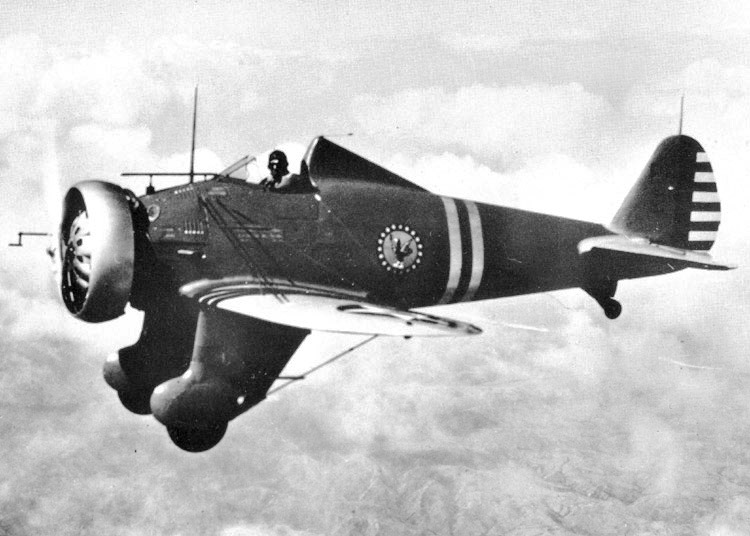
On This Day in 1932: First Flight of the Boeing P-26 Peashooter
On this day in 1932, the Boeing XP-936 prototype made its first flight, leading to the Boeing P-26 Peashooter, the first all-metal production fighter operated by the U.S. Army Air Corps and its first pursuit monoplane.
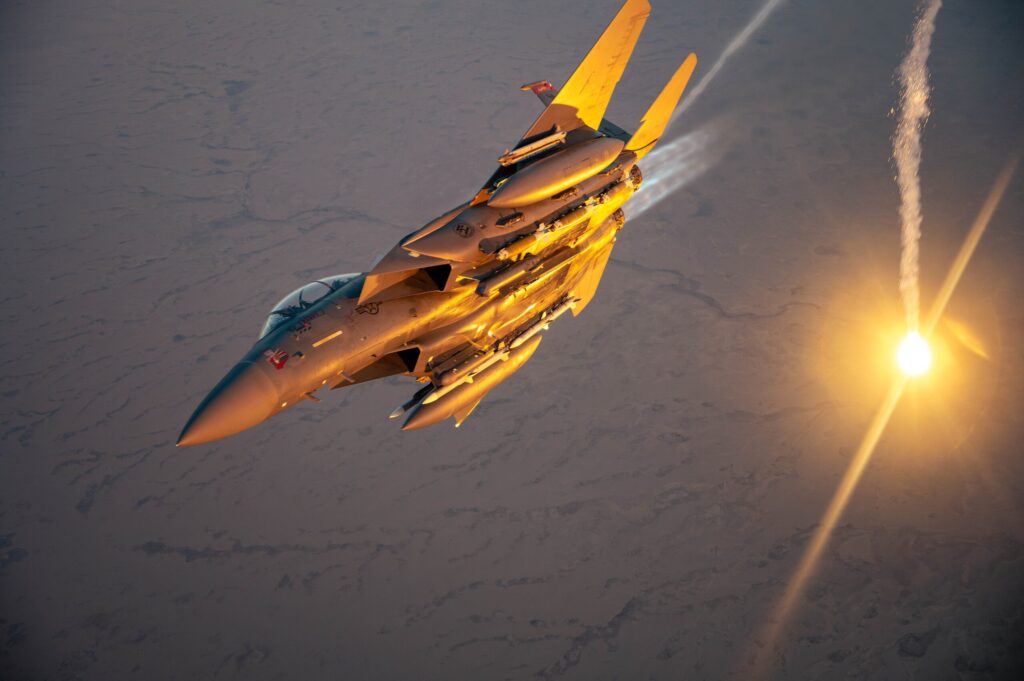
F-15E Strike Eagle + Stats
F-15 Strike Eagle Stats General Powerplant Performance Armament Avionics Role