








PBY Catalina: Specifications and Performance
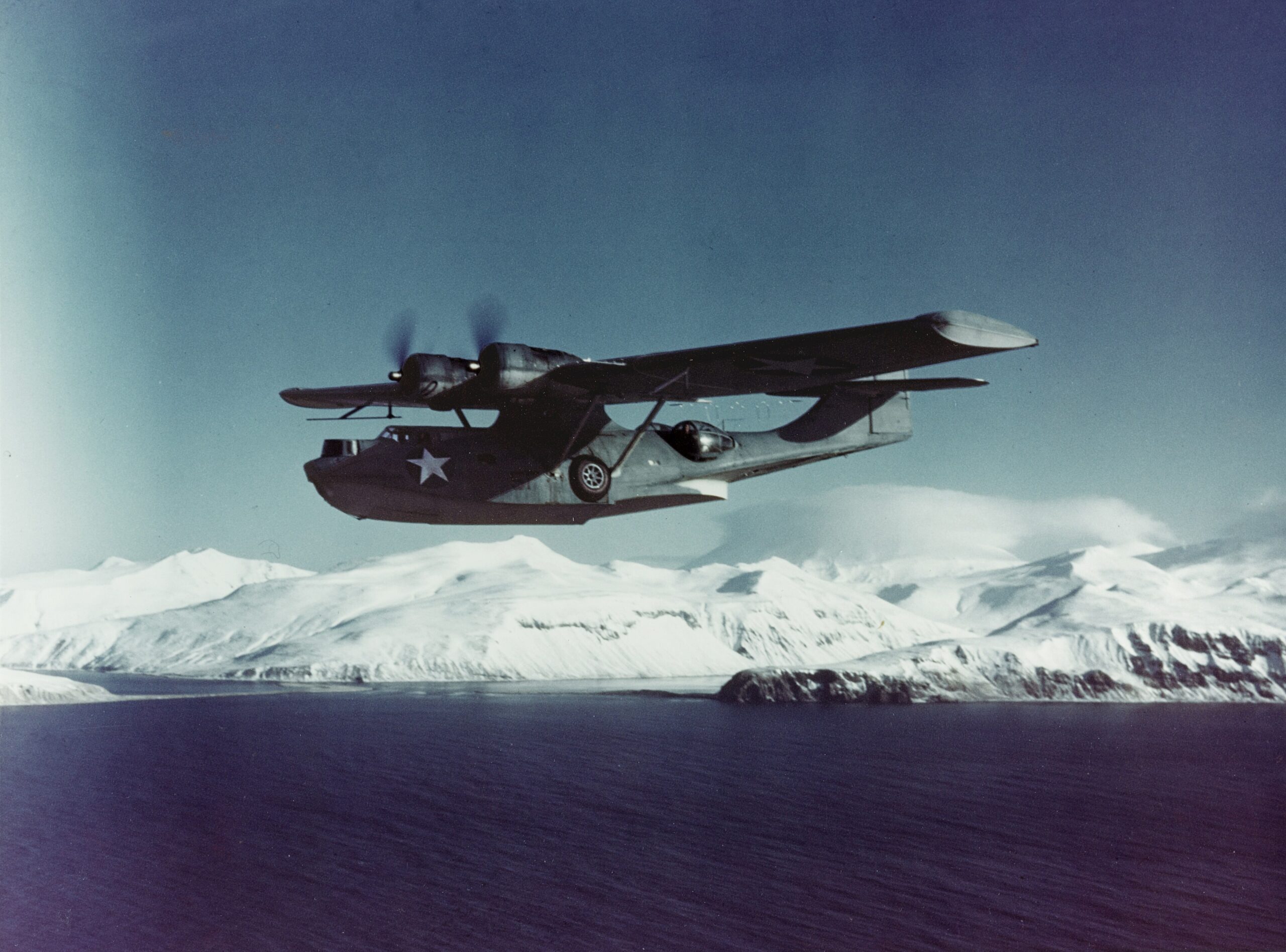
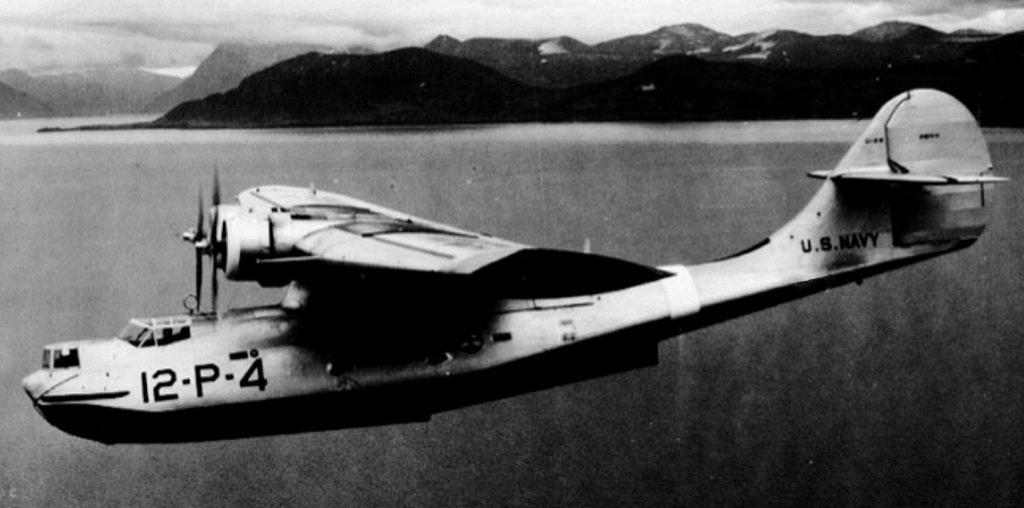
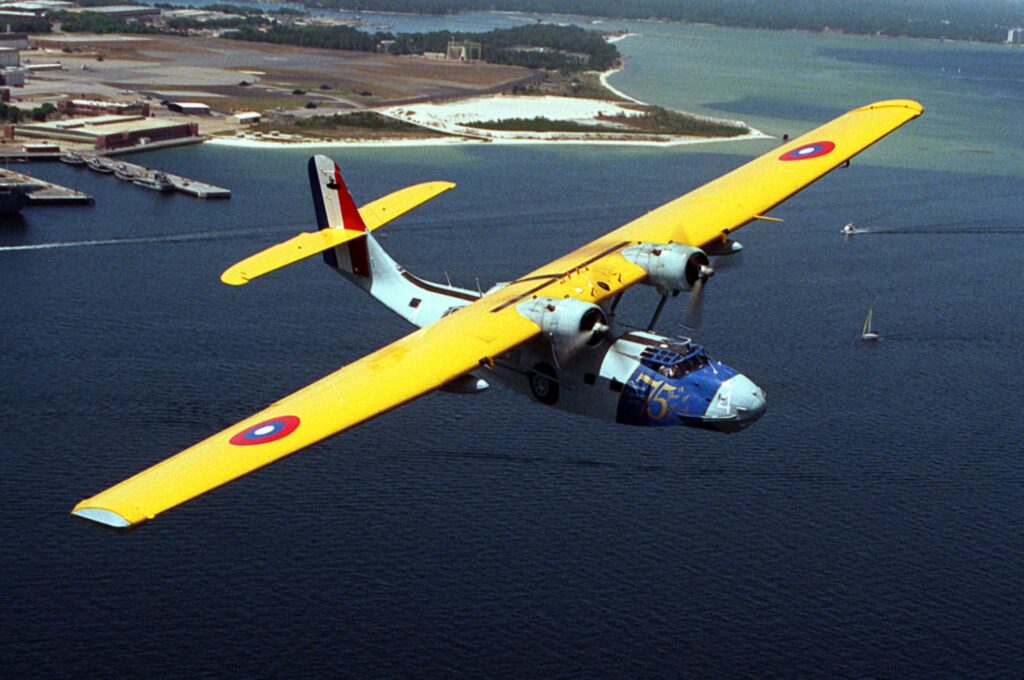
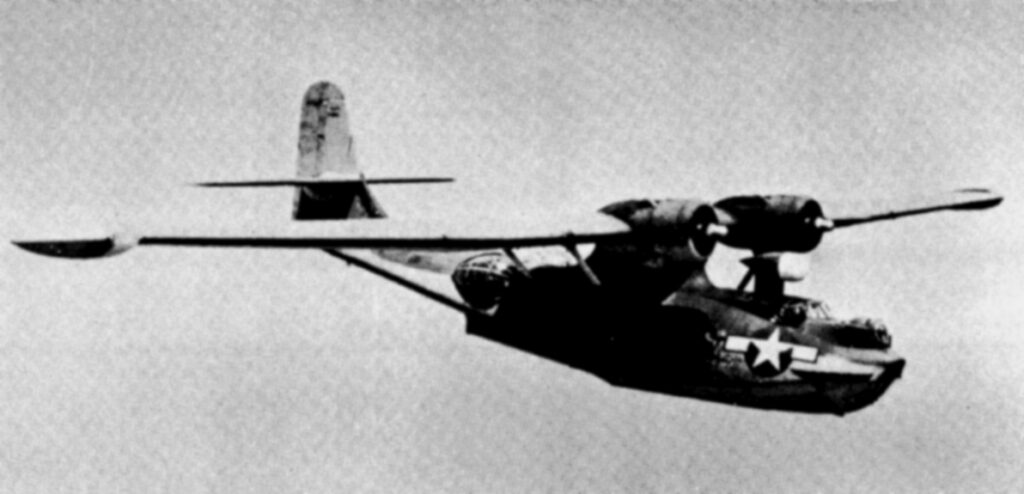
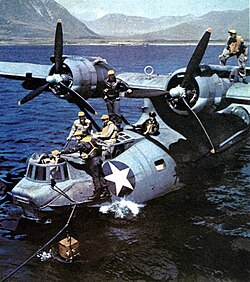
The Consolidated PBY Catalina remains one of the most iconic flying boats of World War II. Designed for long-range maritime patrol, it served in anti-submarine warfare, reconnaissance, search and rescue, and transport roles across every major theater. Its combination of range, endurance, and versatility made it indispensable, especially in the Pacific.
Below are the key specifications for the widely produced PBY-5 and amphibious PBY-5A variants.
General Characteristics
| Specification | Value |
|---|---|
| Crew | 8–10 |
| Length | 63 ft 10 in (19.46 m) |
| Wingspan | 104 ft (31.70 m) |
| Height | 20 ft 2 in – 21 ft 1 in (6.15–6.43 m) |
| Wing area | 1,400 sq ft (130 m²) |
| Empty weight | 20,910 lb (9,485 kg) |
| Max takeoff weight | 35,420 lb (16,066 kg) |
Powerplant
Two Pratt & Whitney R-1830-92 Twin Wasp 14-cylinder air-cooled radial engines, each producing 1,200 hp (890 kW). Three-bladed constant-speed propellers.
Performance
| Specification | Value |
|---|---|
| Maximum speed | 196 mph (315 km/h / 170 kn) |
| Cruise speed | 125 mph (201 km/h / 109 kn) |
| Range | 2,520 miles (4,060 km / 2,190 nmi) |
| Service ceiling | 15,800 ft (4,800 m) |
| Rate of climb | Approximately 610–1,000 ft/min |
| Wing loading | 25.3 lb/sq ft |
Endurance was a defining strength. Standard patrols often exceeded 18–20 hours, and the longest recorded non-stop flight reached 31 hours 45 minutes.
Armament
Defensive armament typically included two to three .30-caliber (7.62 mm) machine guns (nose turret and ventral position) and two .50-caliber (12.7 mm) machine guns in the waist blisters. Offensive load reached 4,000 lb (1,814 kg) of bombs, depth charges, or torpedoes carried under the wings.
Production and Variants
More than 3,300 Catalinas of all variants were built in the United States and Canada. Early models were pure flying boats. The PBY-5A introduced retractable tricycle landing gear, giving it true amphibious capability while retaining the same core airframe and performance.
The Catalina’s large wing, modest power, and efficient design prioritized range and loiter time over speed. That focus allowed it to cover vast stretches of ocean where no land-based aircraft could operate effectively.