Chance Vought built the F-8 to give the Navy a carrier fighter that could go past 1,000 mph and still come aboard a pitching deck. Test pilot John Konrad first flew the XF8U-1 on 25 March 1955 and went supersonic that same flight. The fleet received the type in March 1957. Pilots called it the last of the gunfighters: four 20 mm cannon in the nose, with Sidewinders added later.
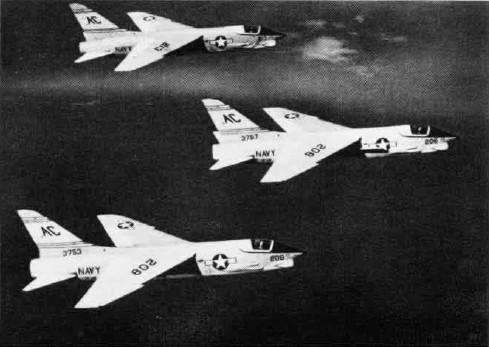
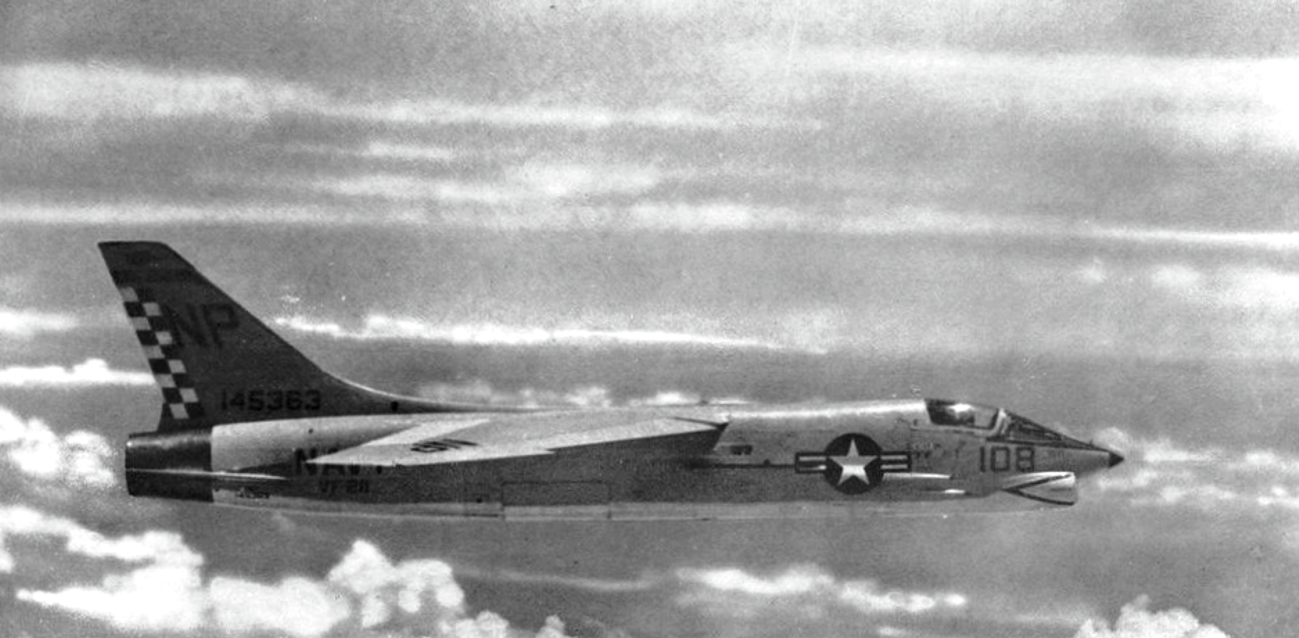

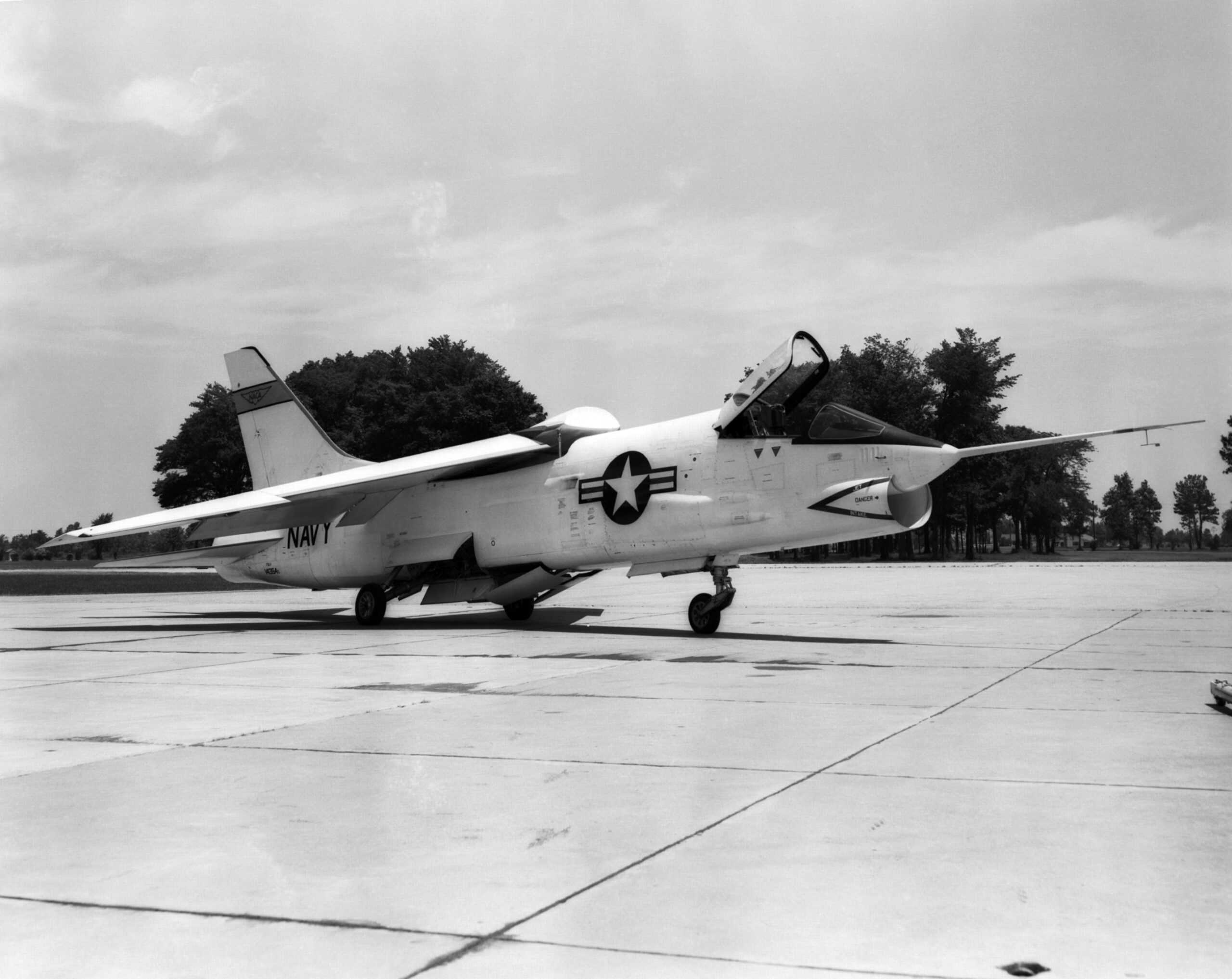
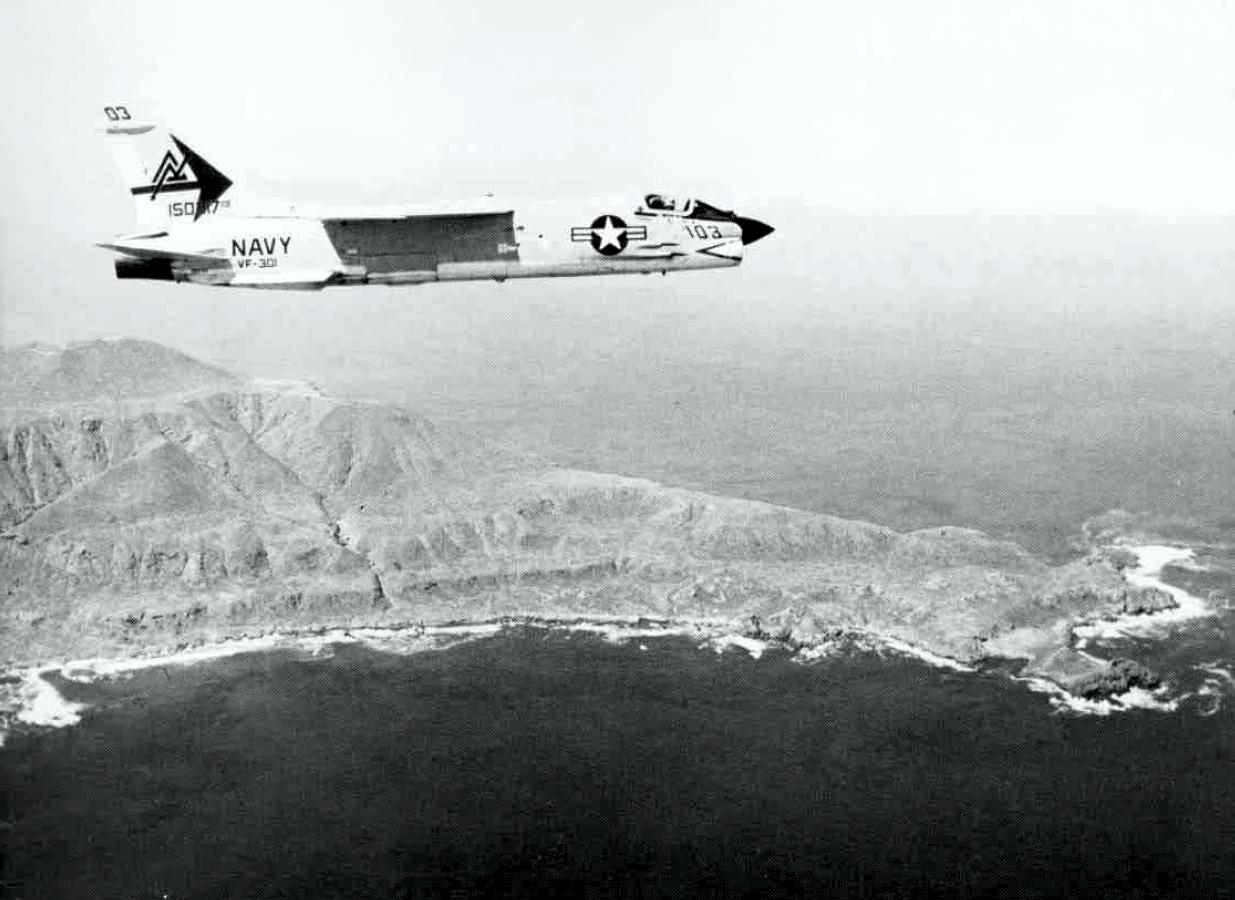
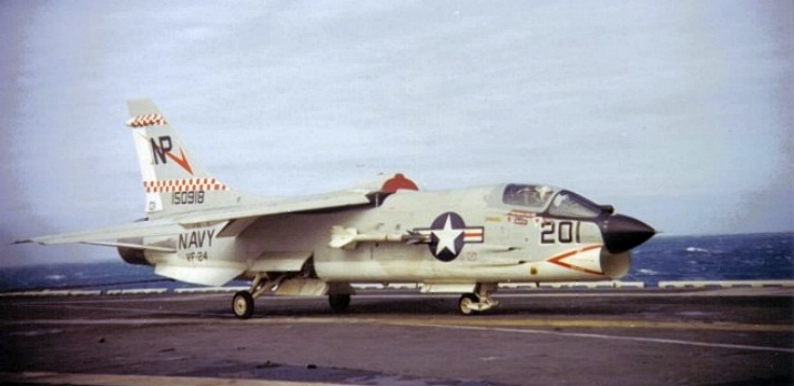

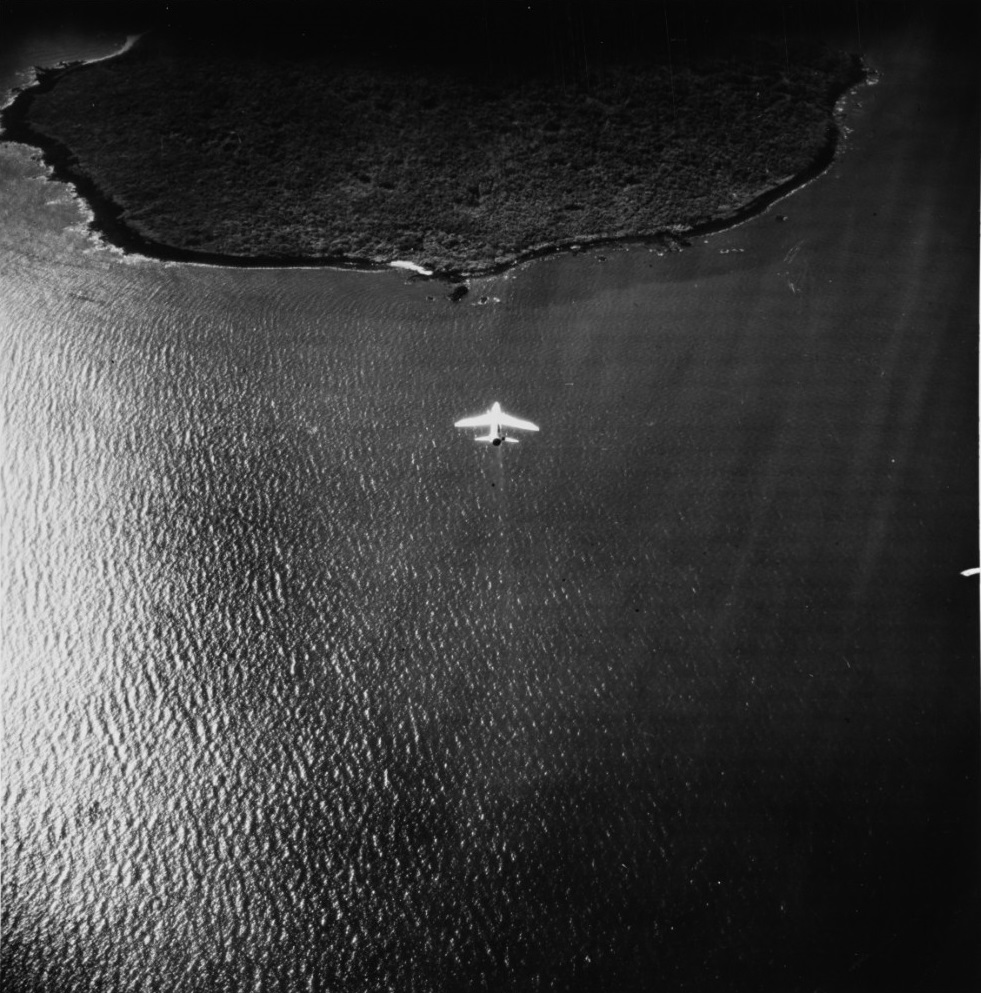
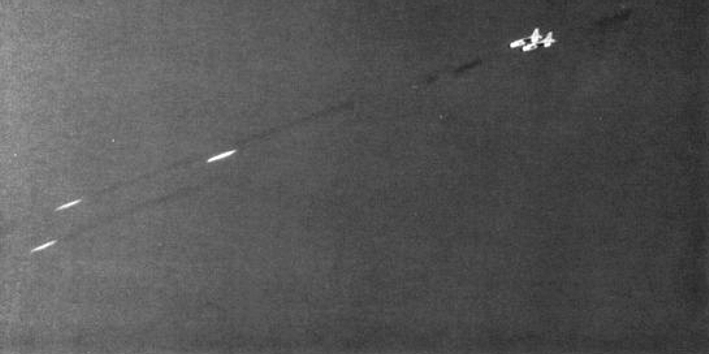
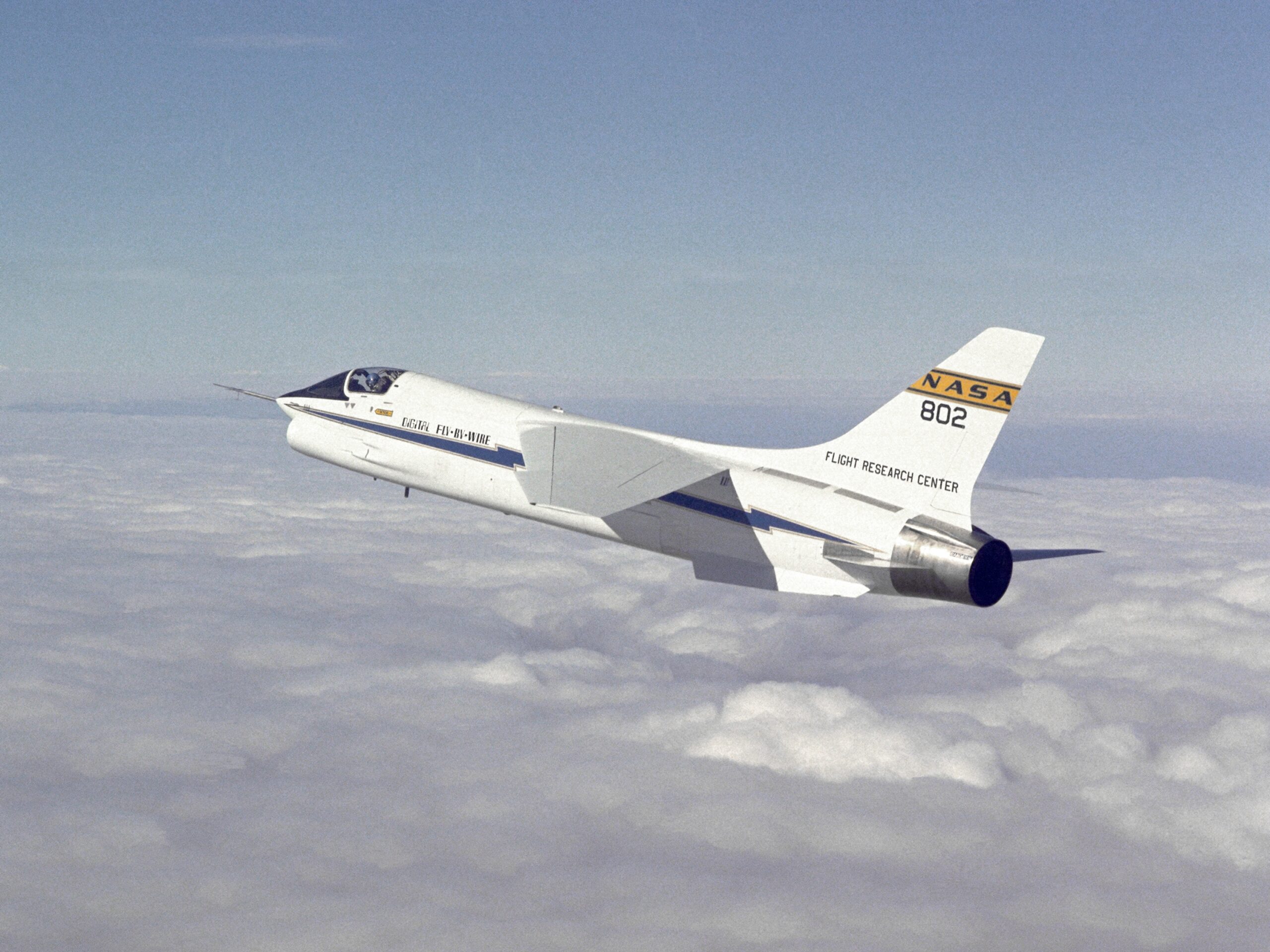
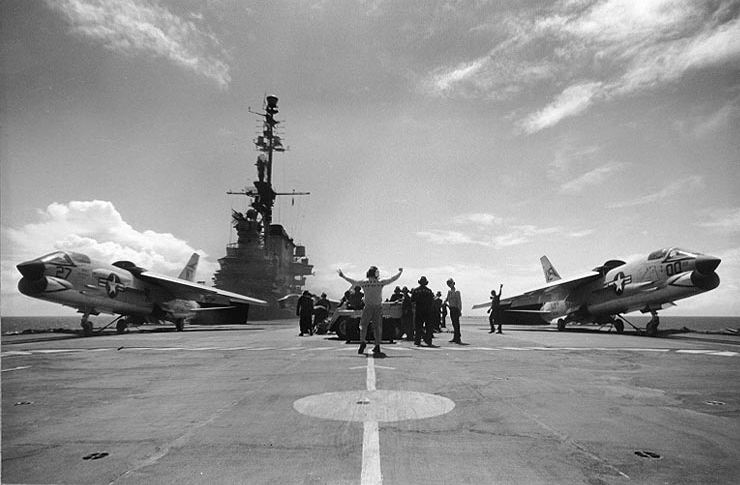
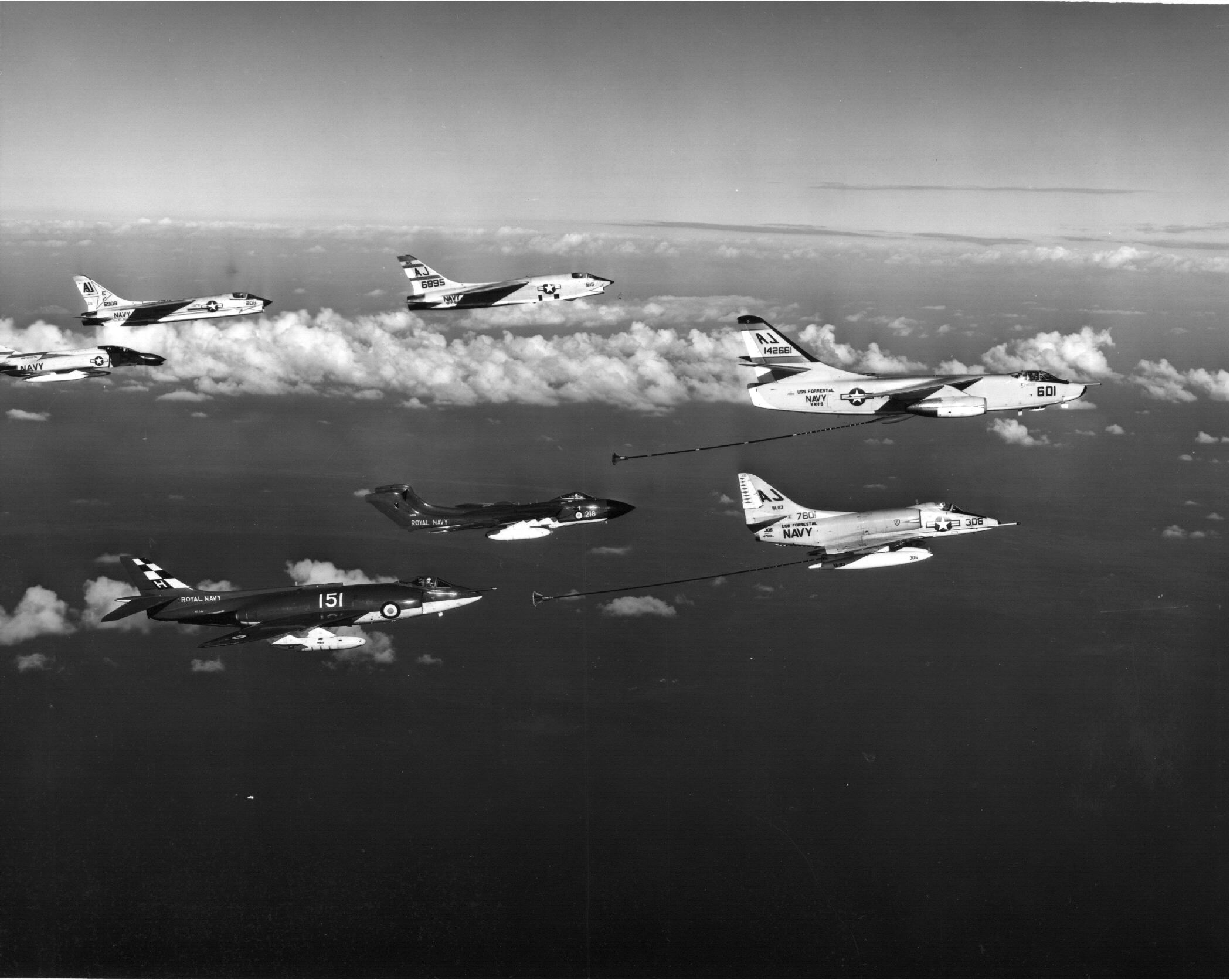

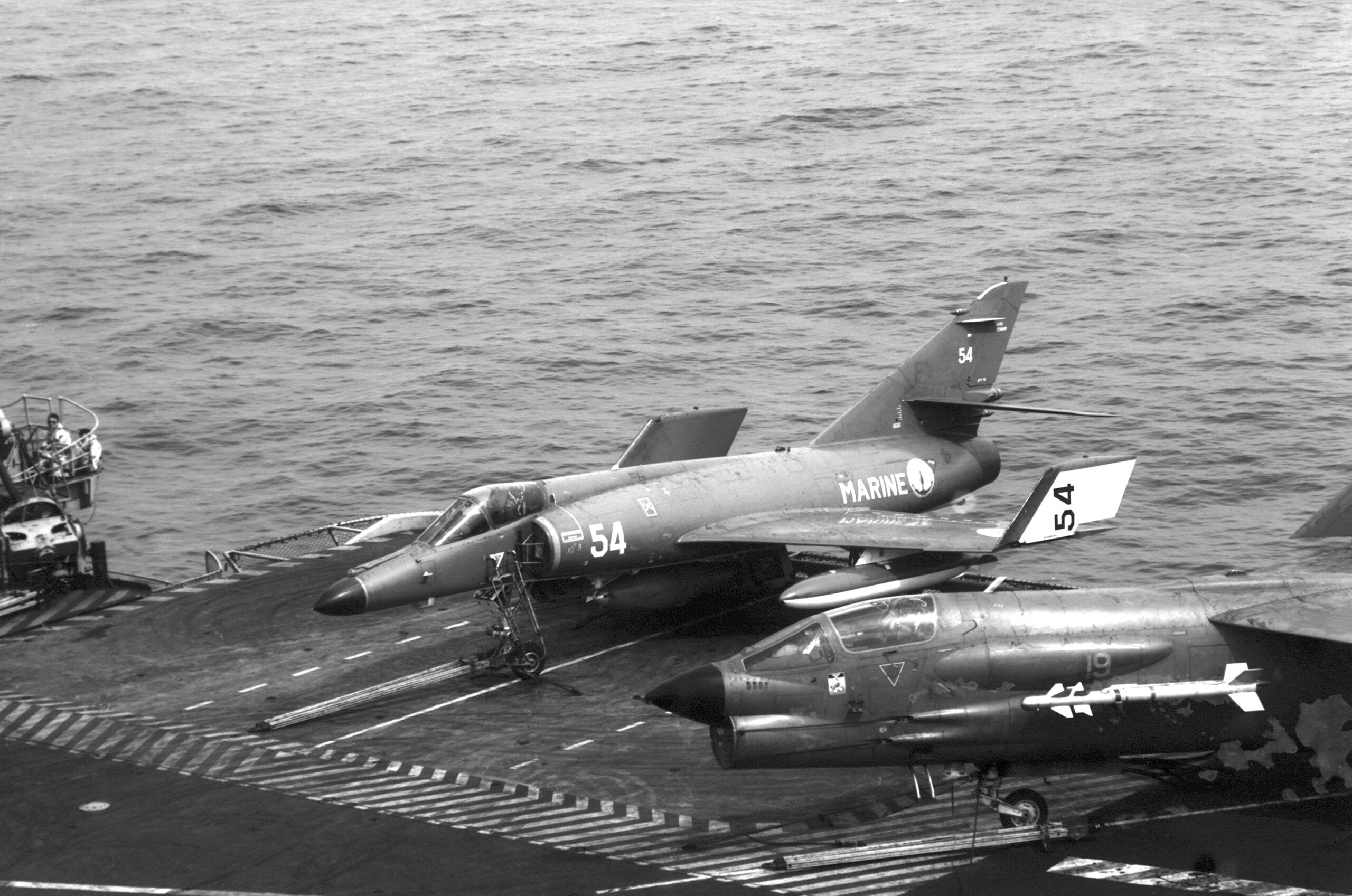
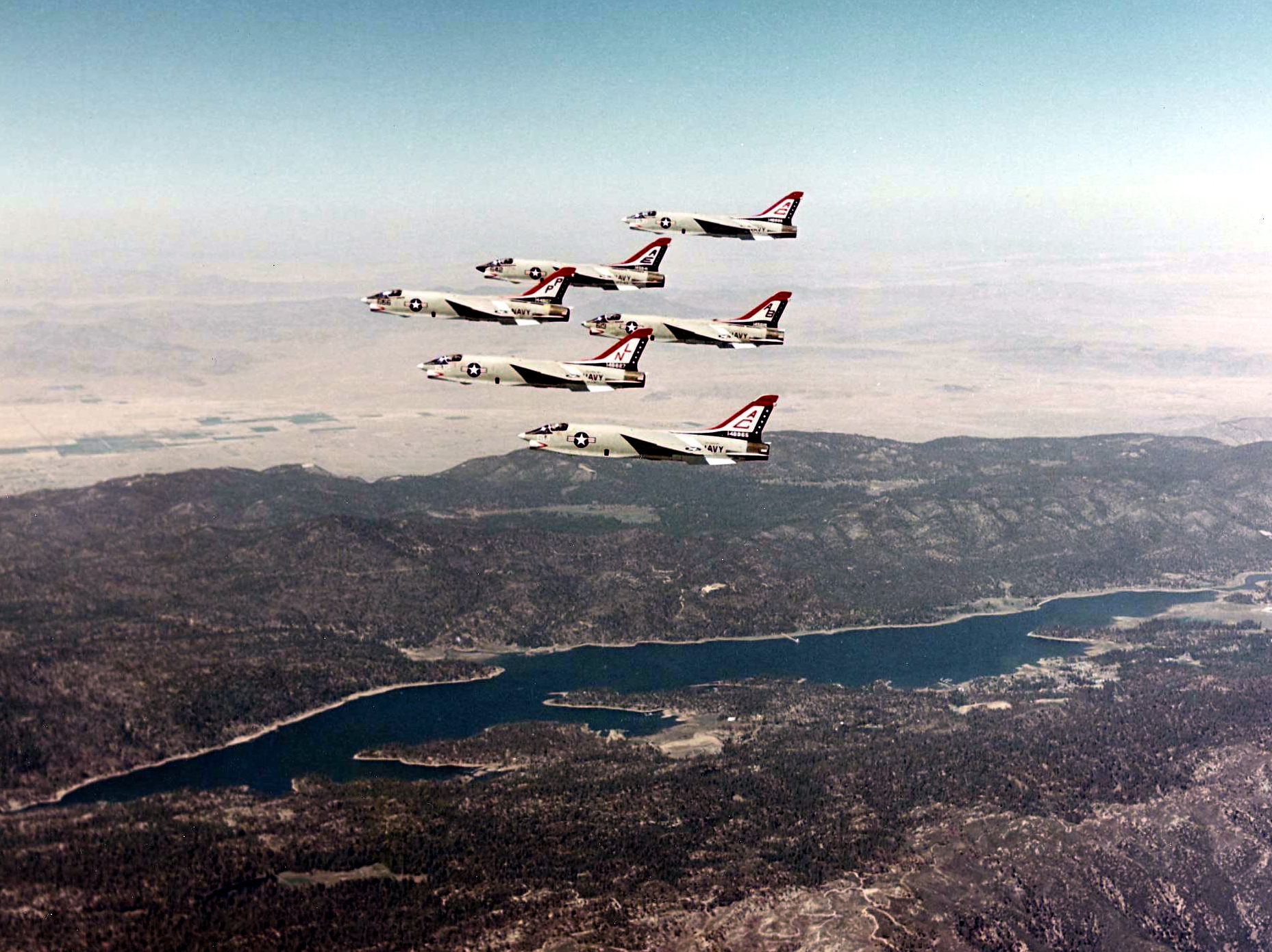
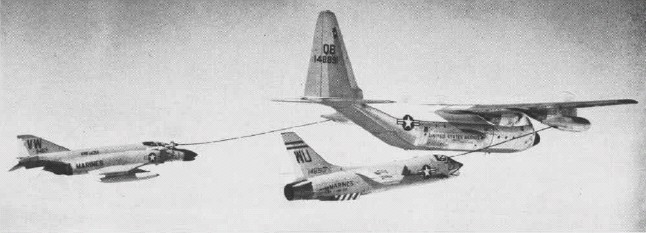
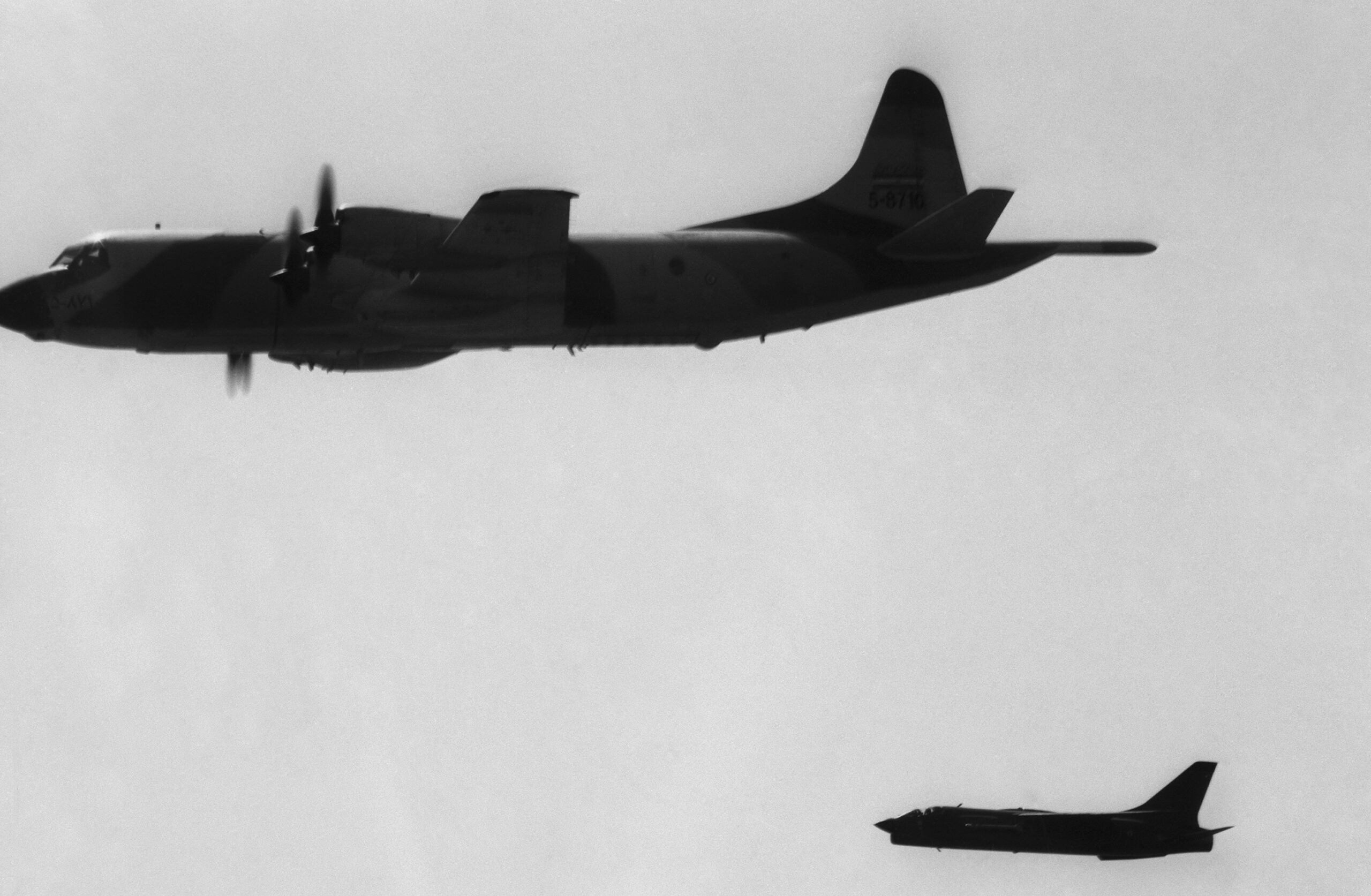
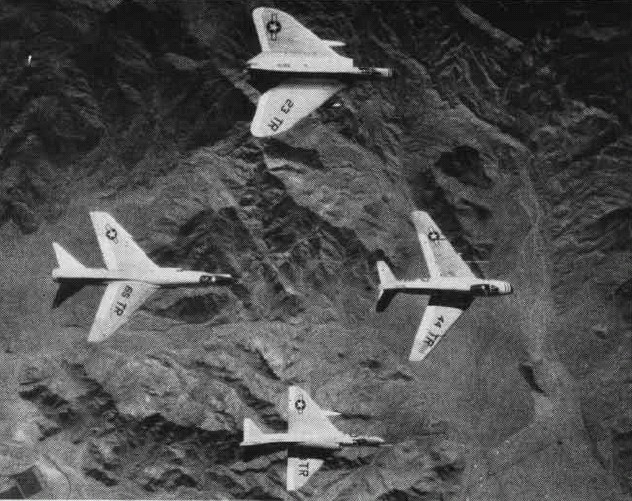
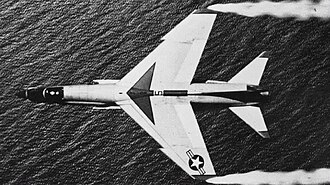
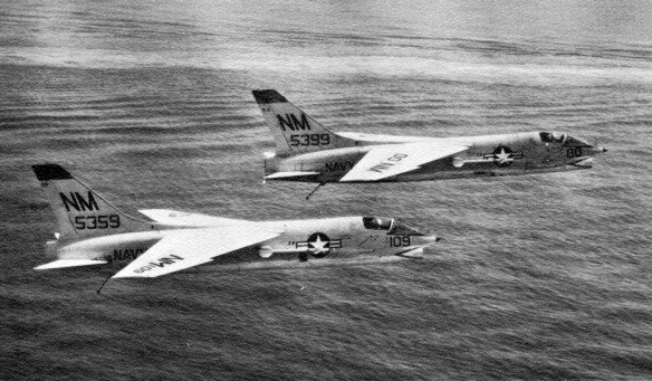
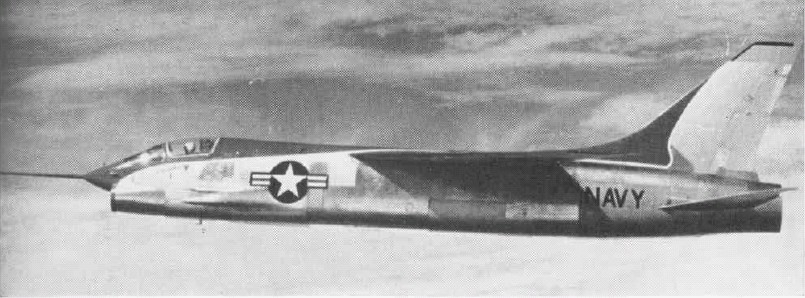
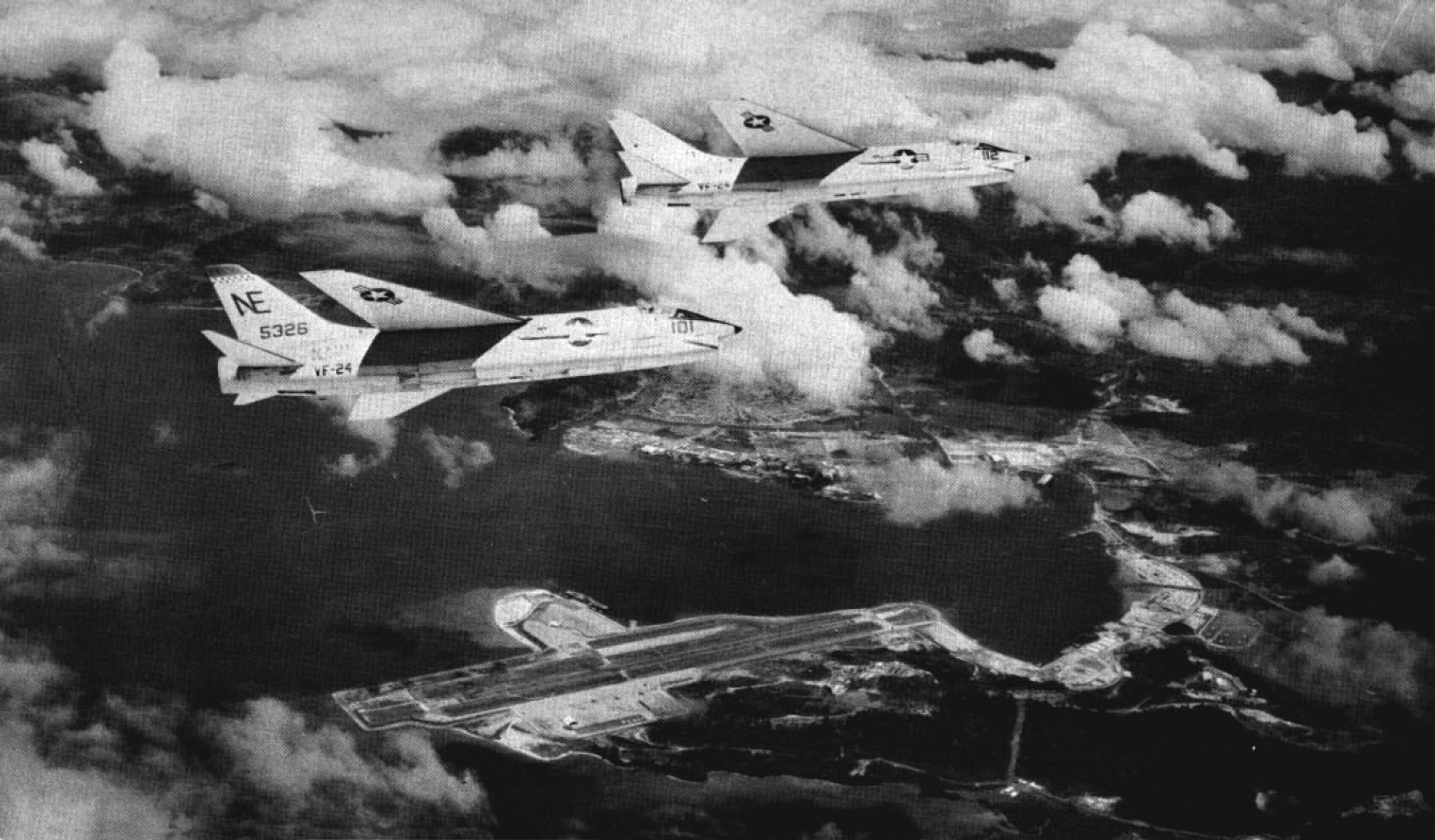
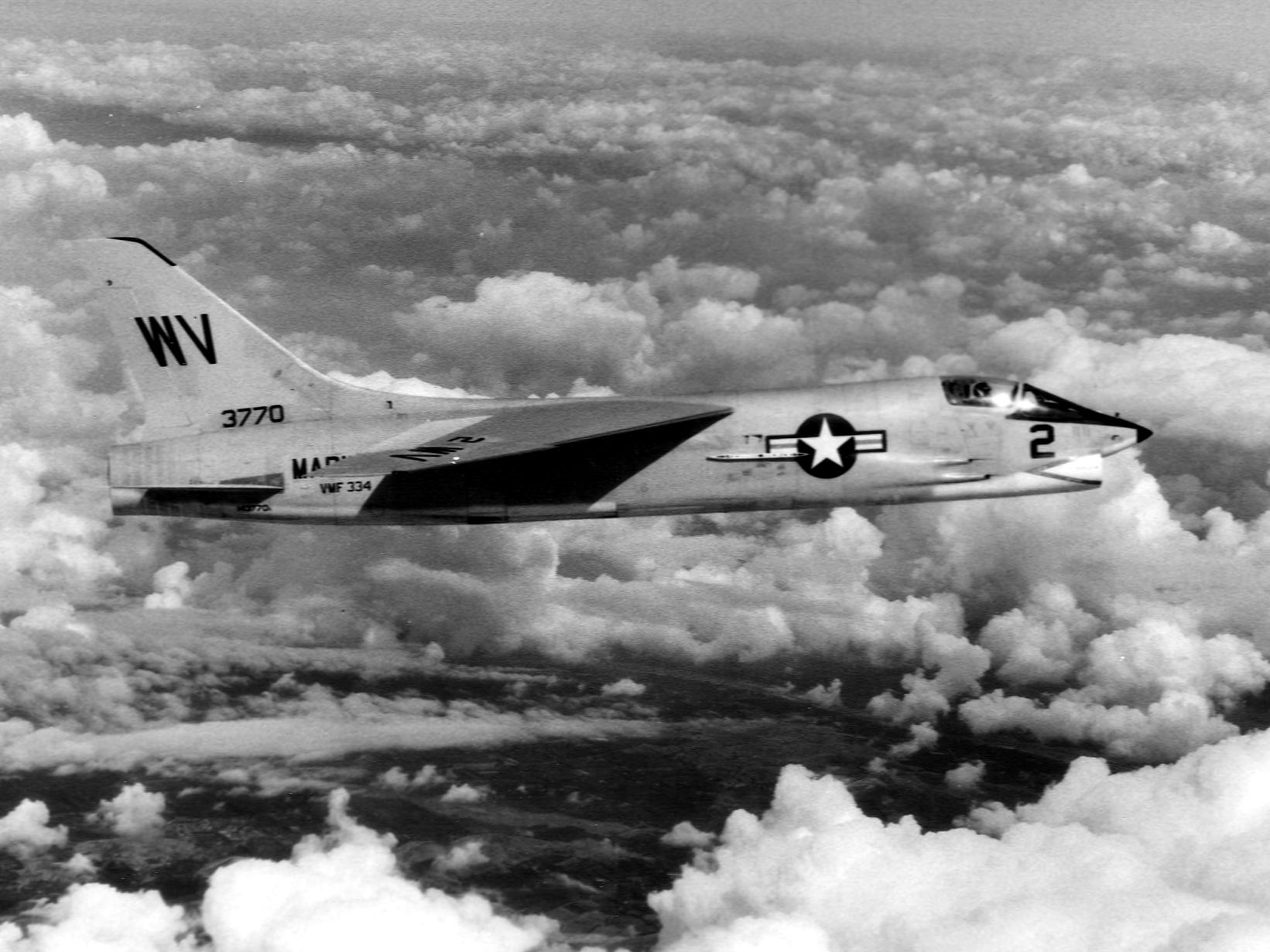
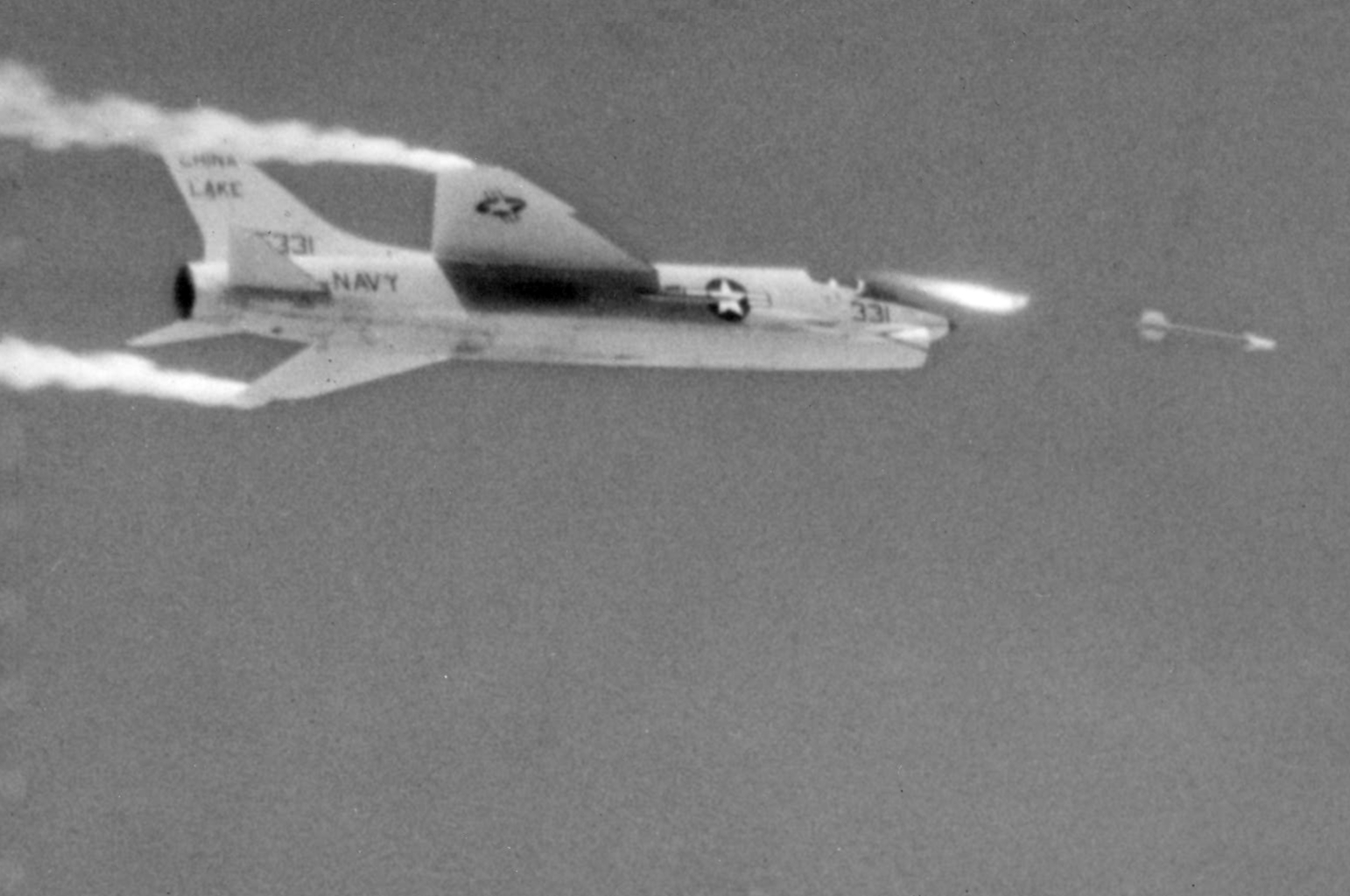
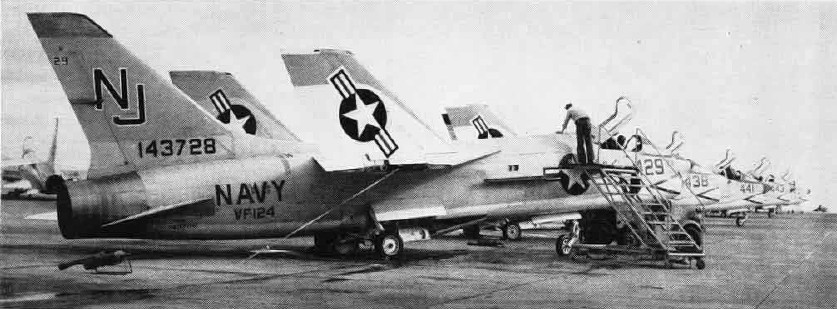
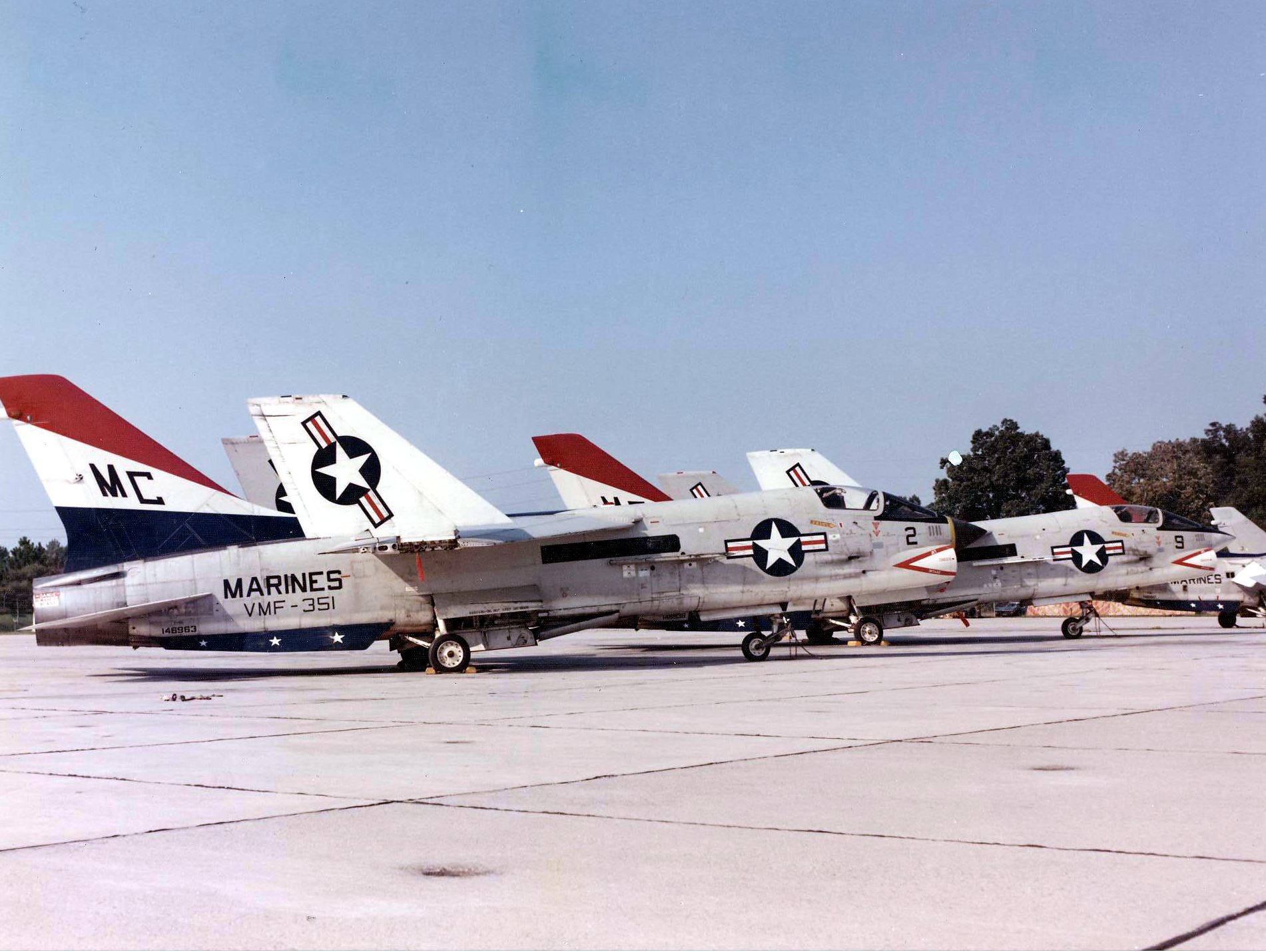
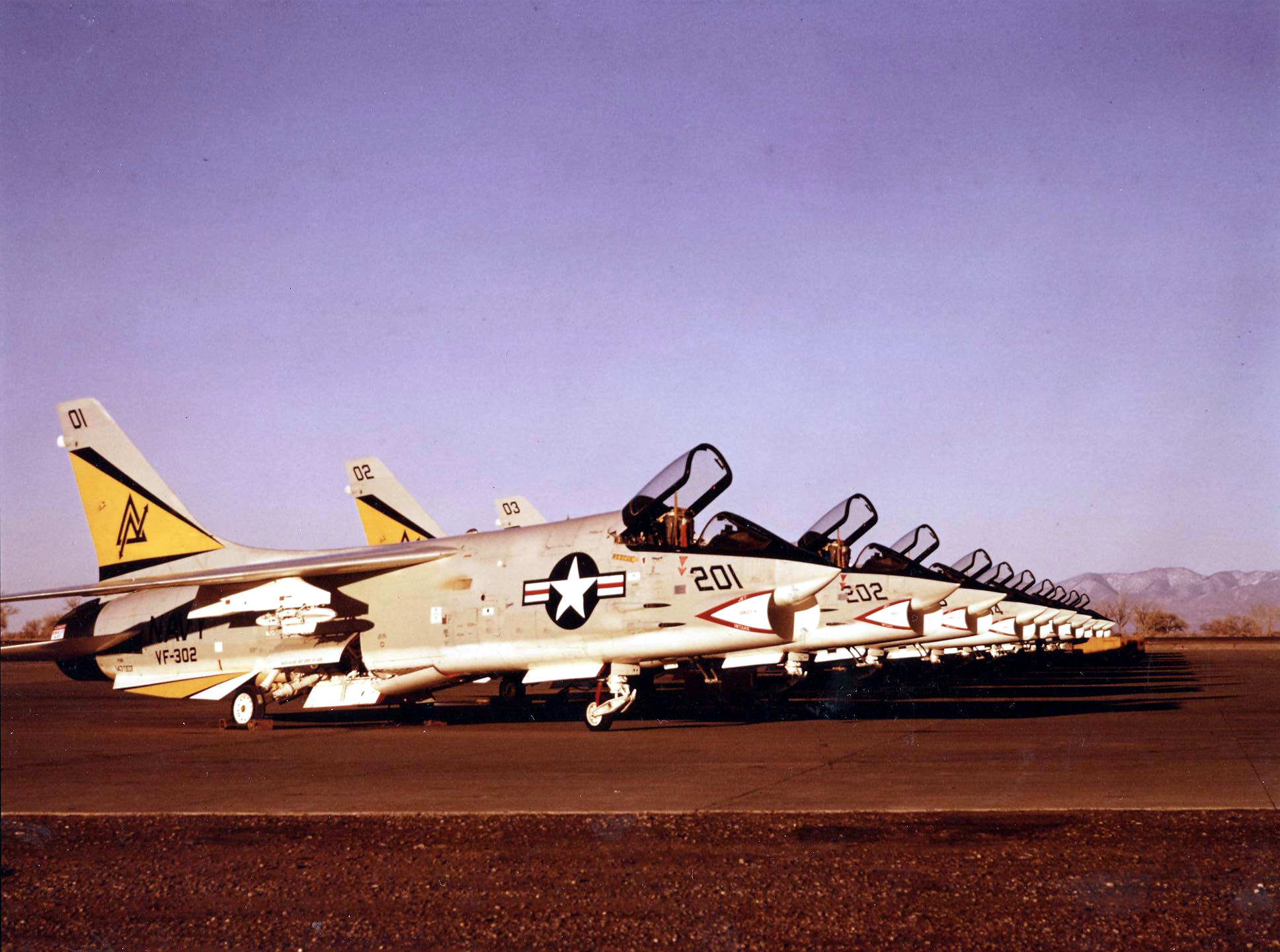
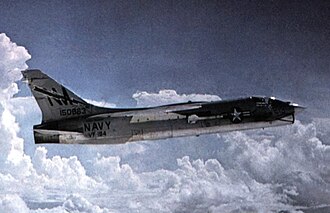
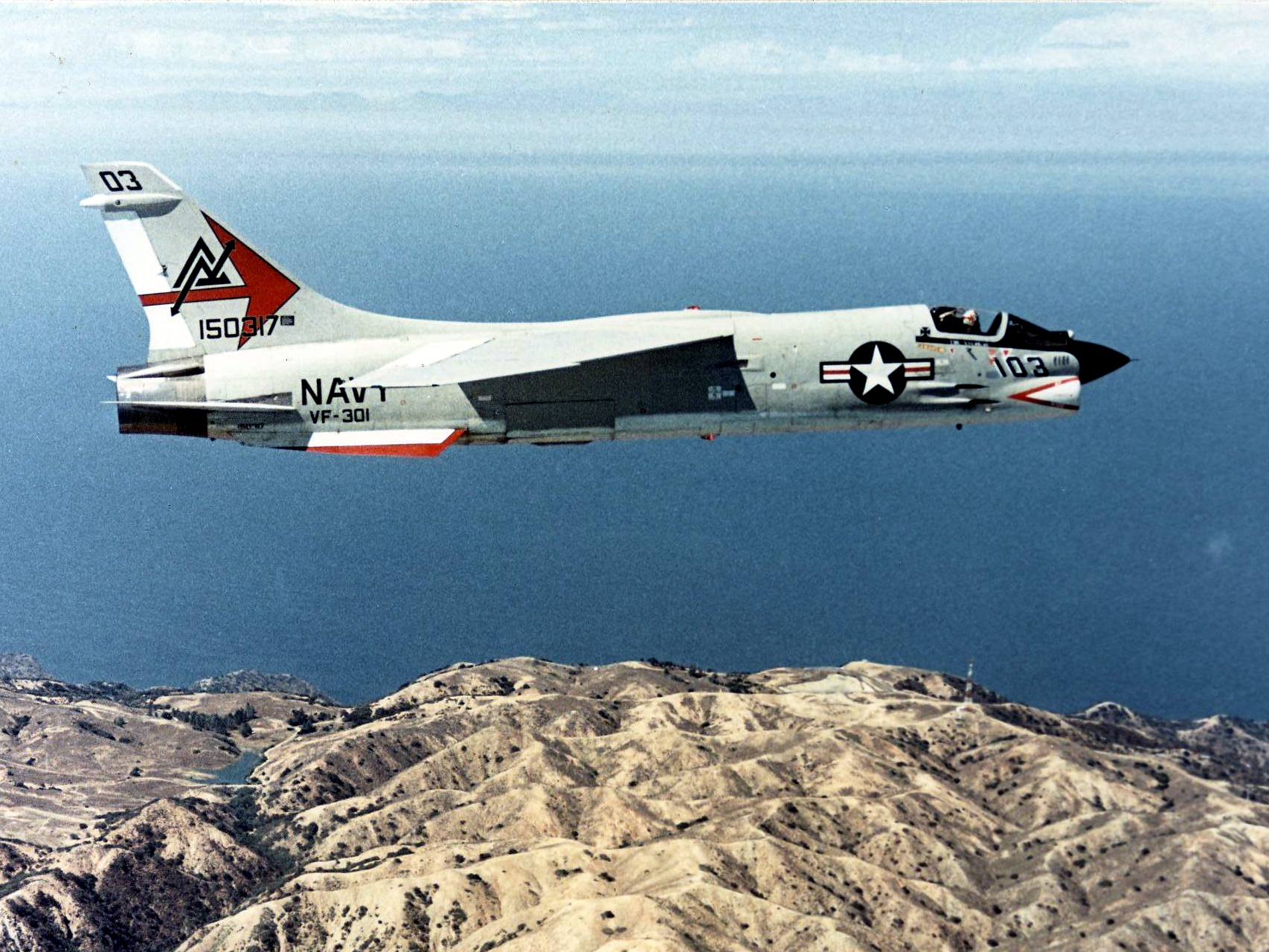
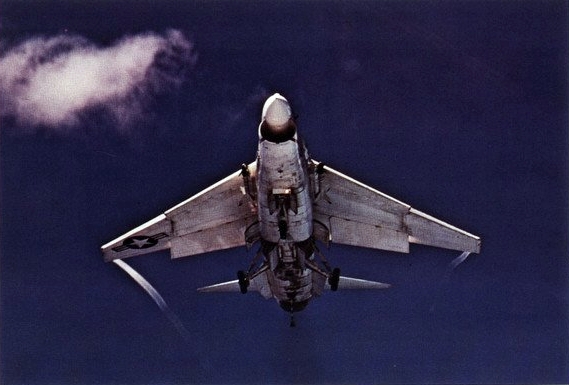
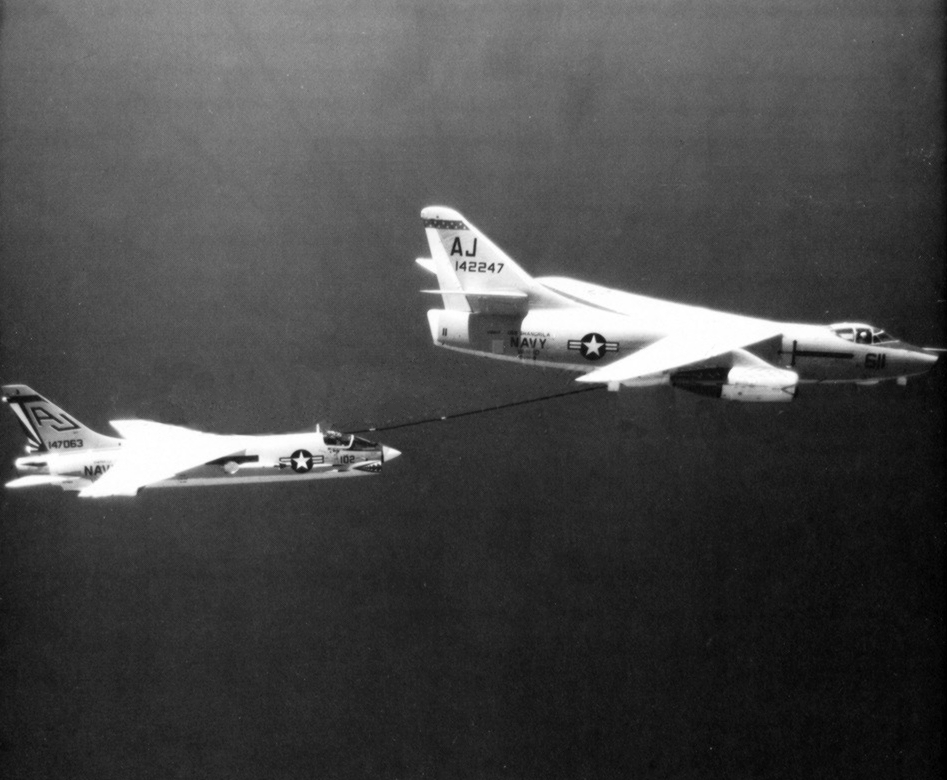
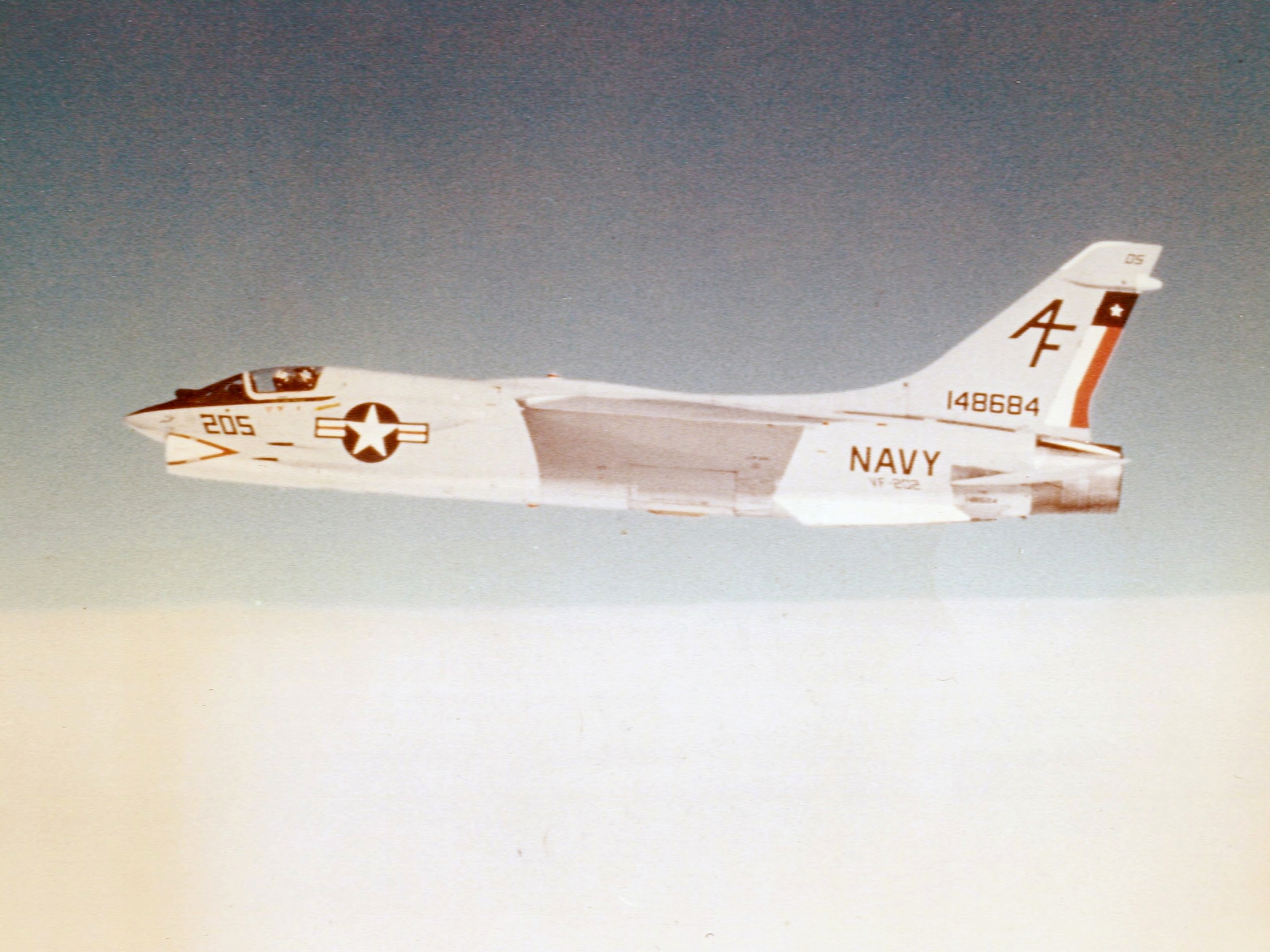
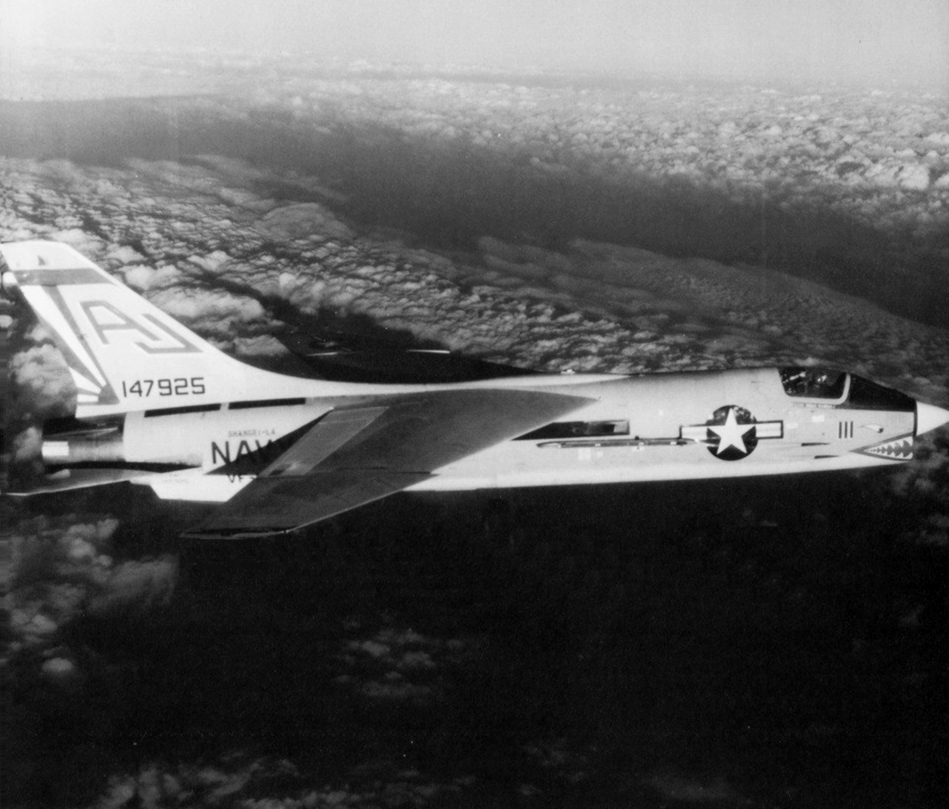


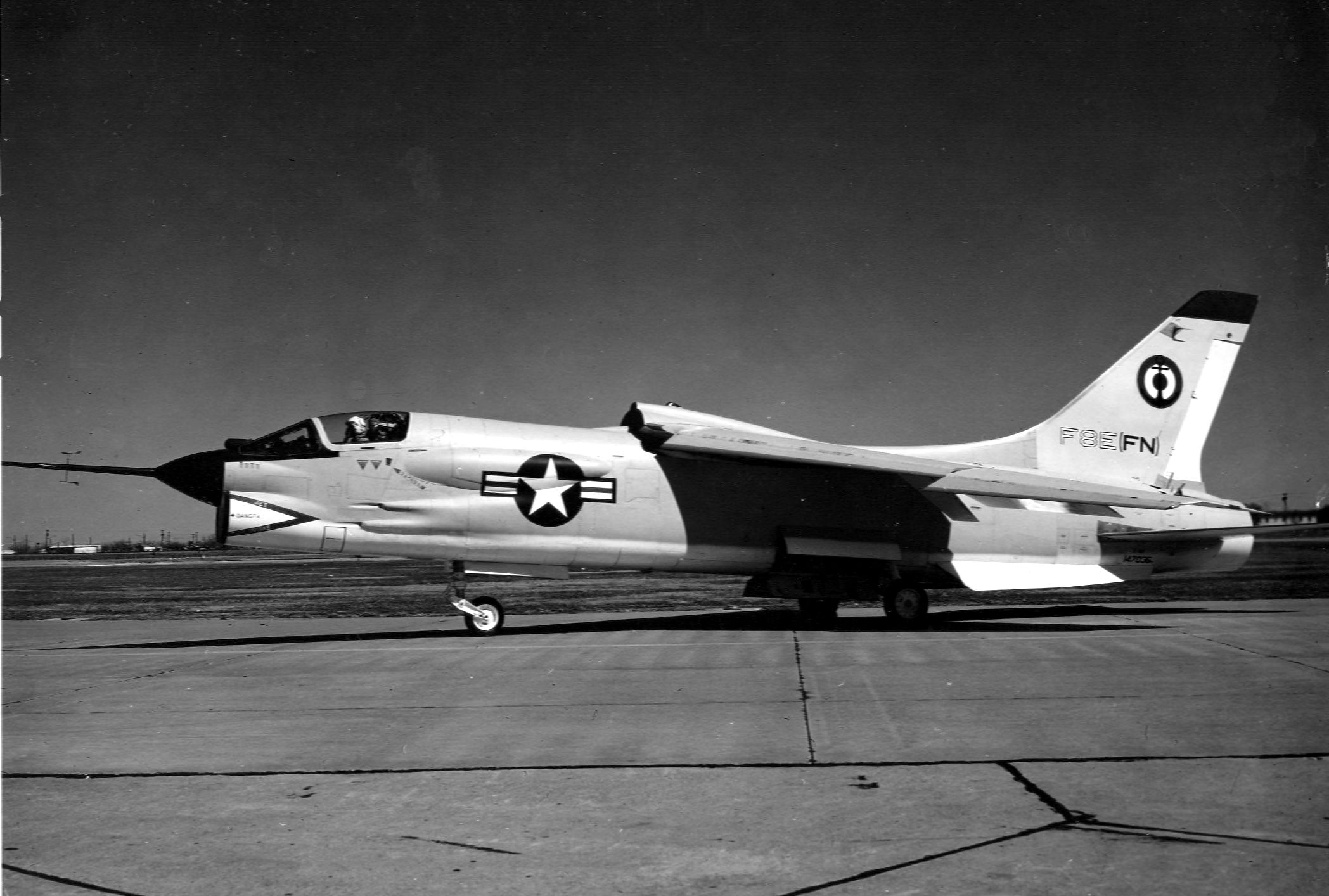
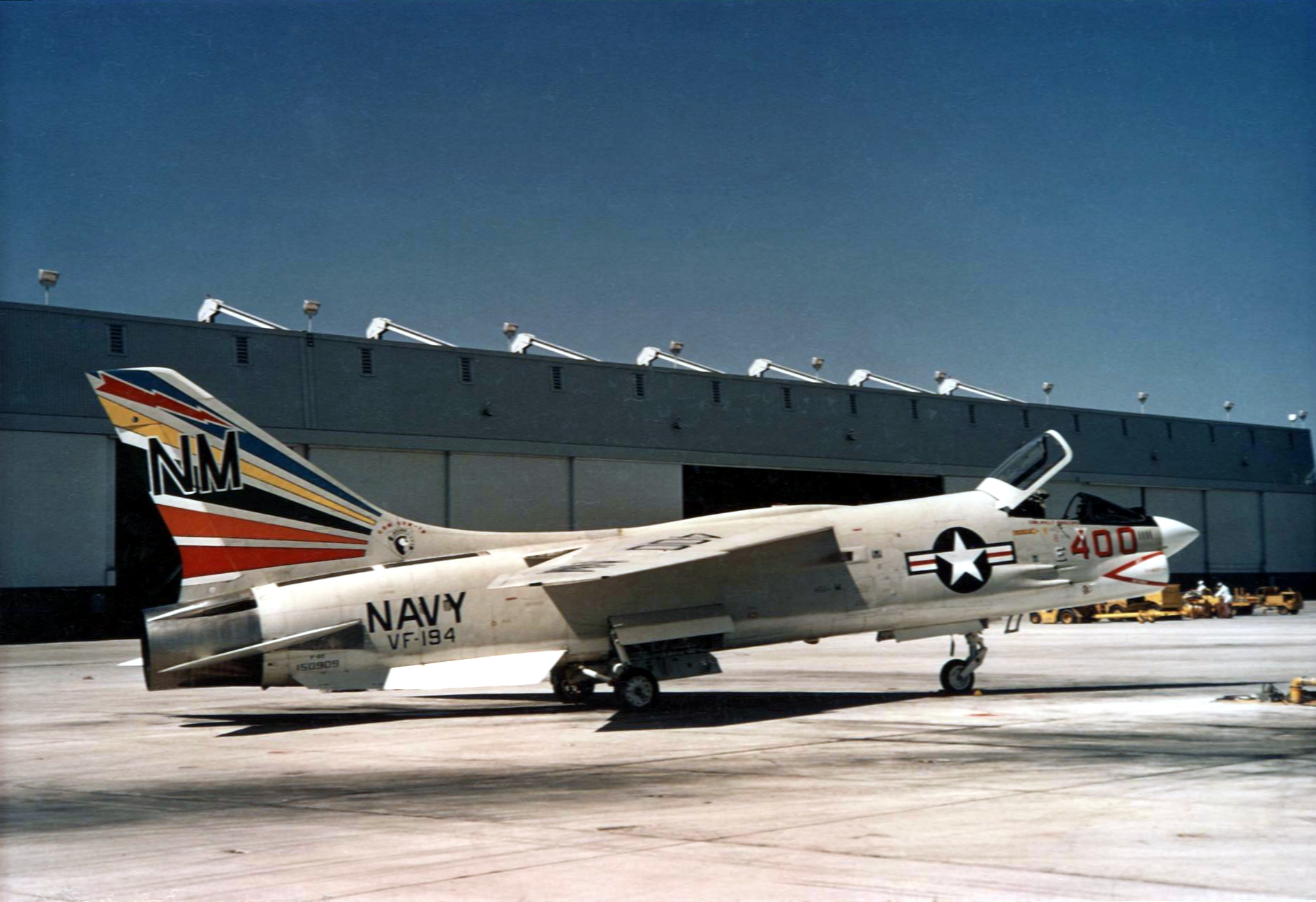
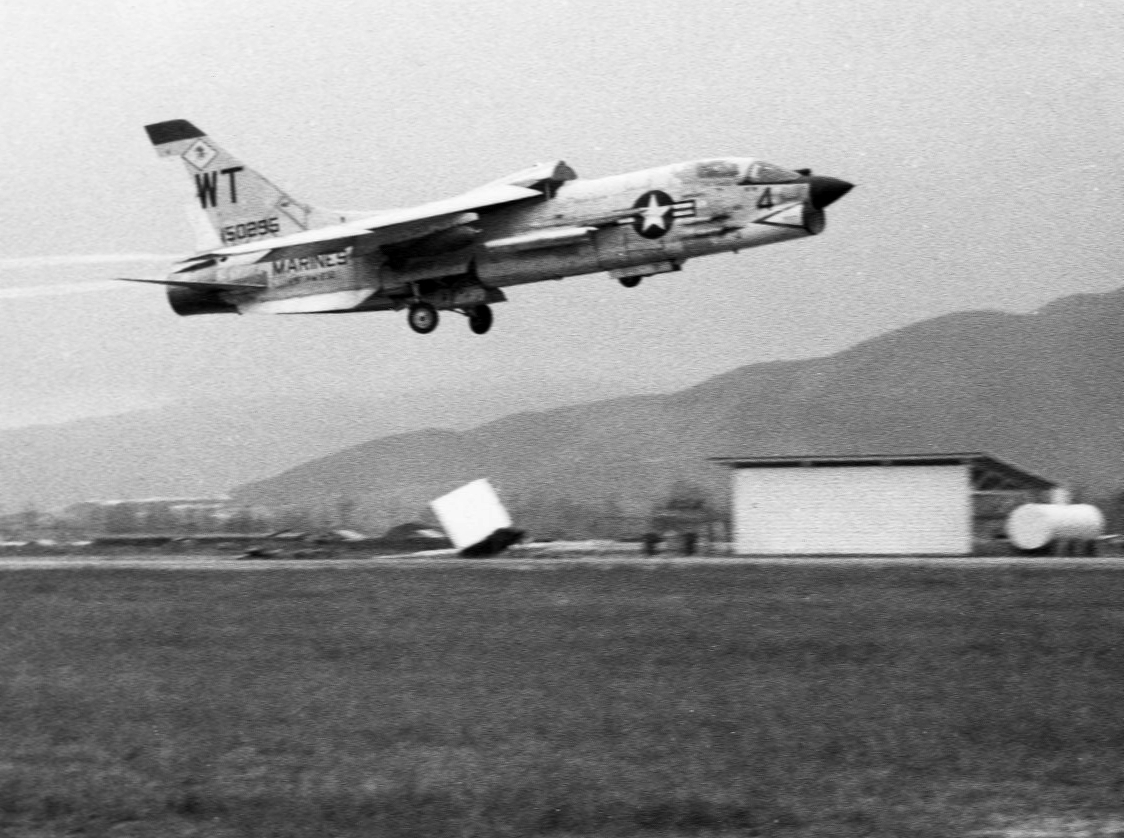

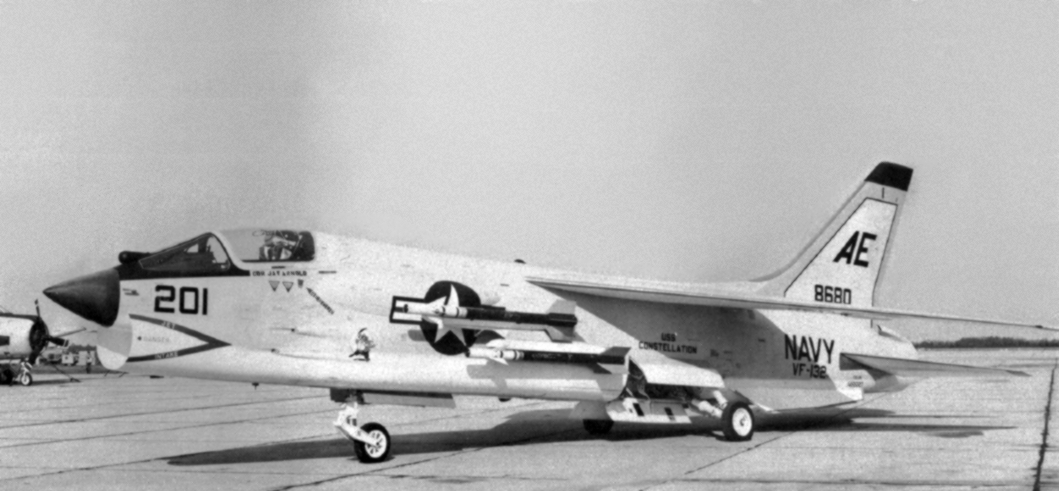
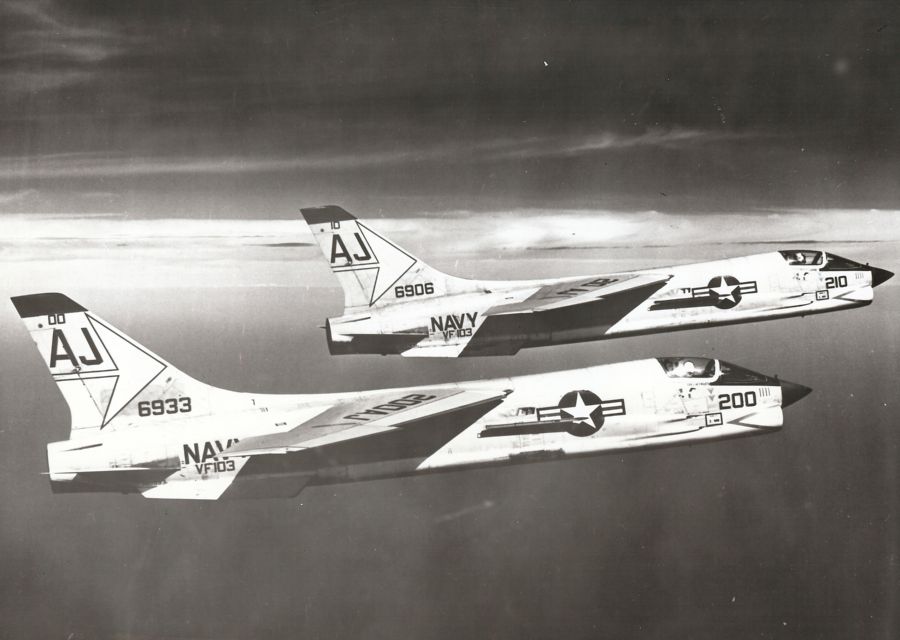
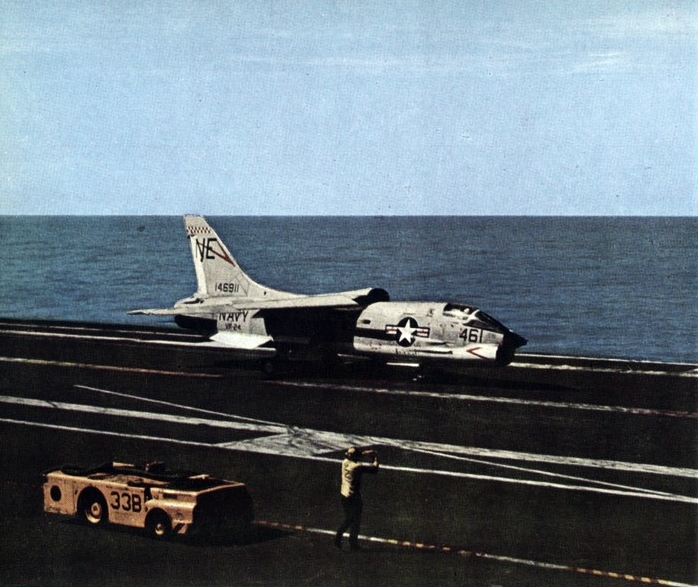
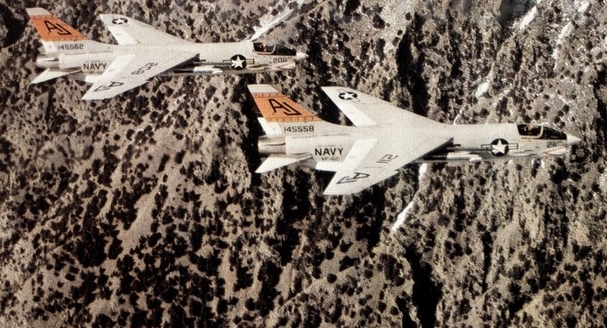
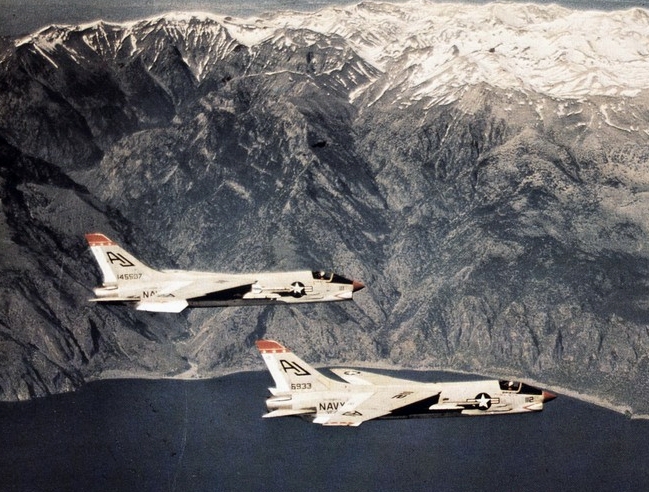
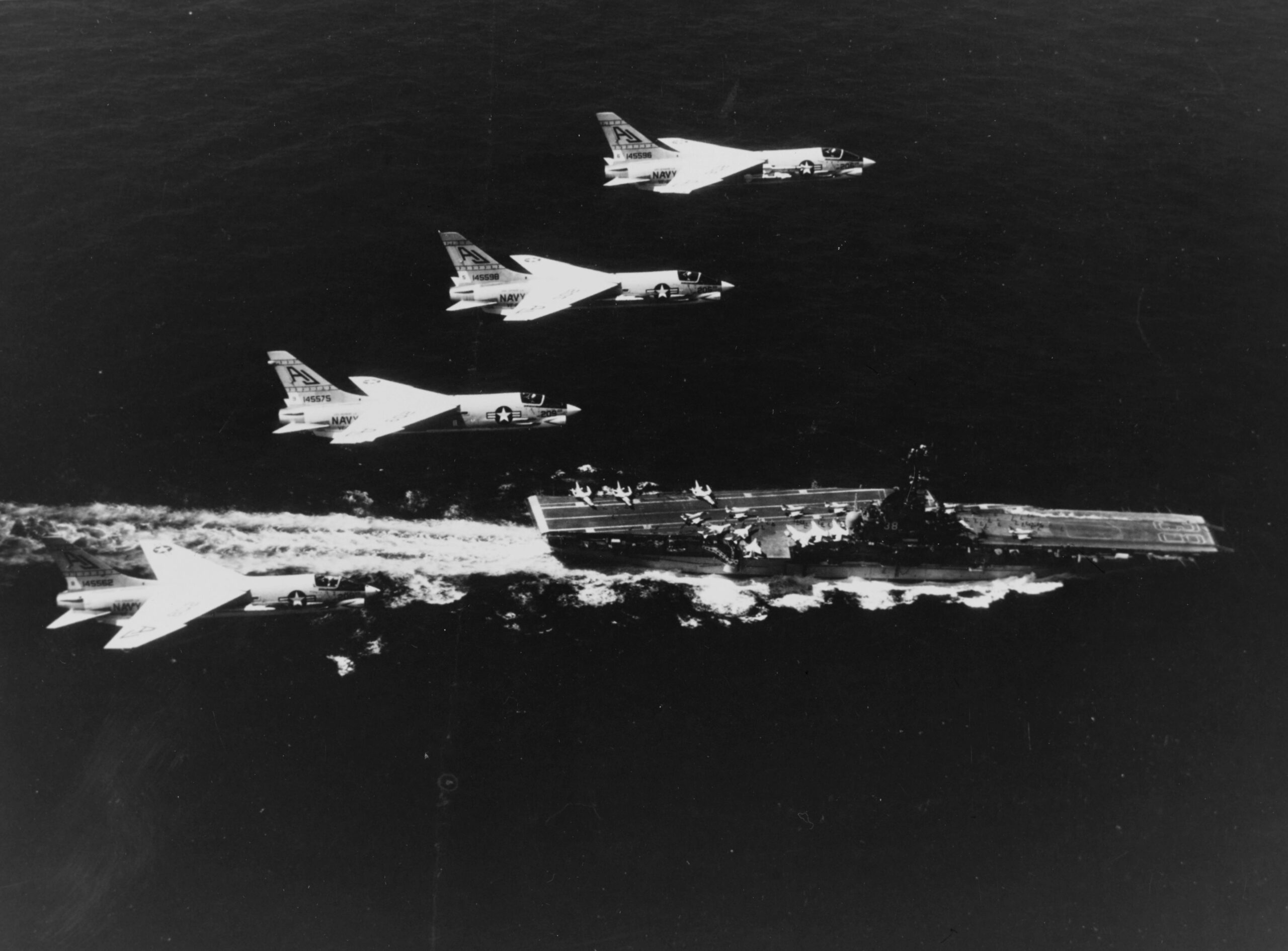
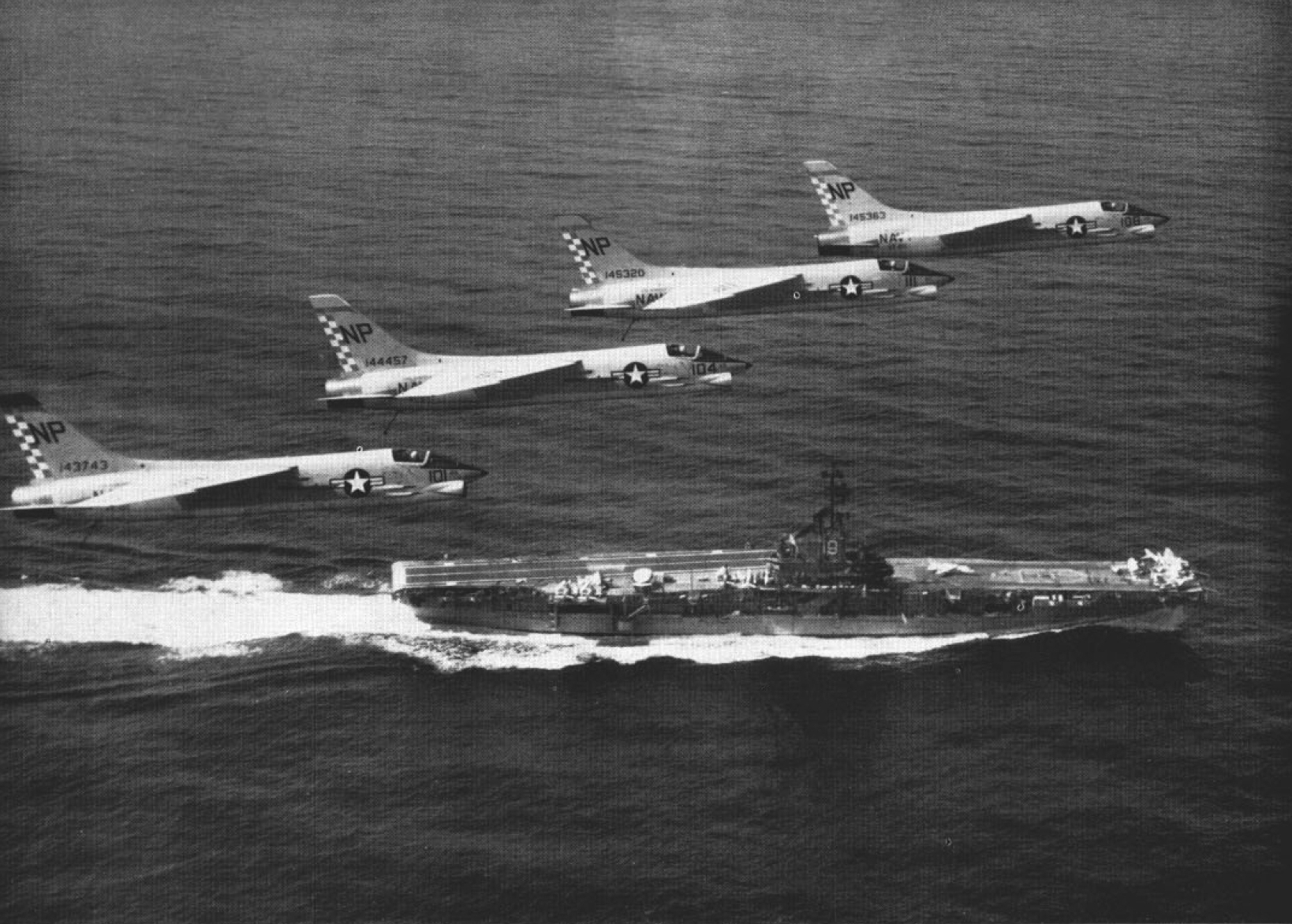

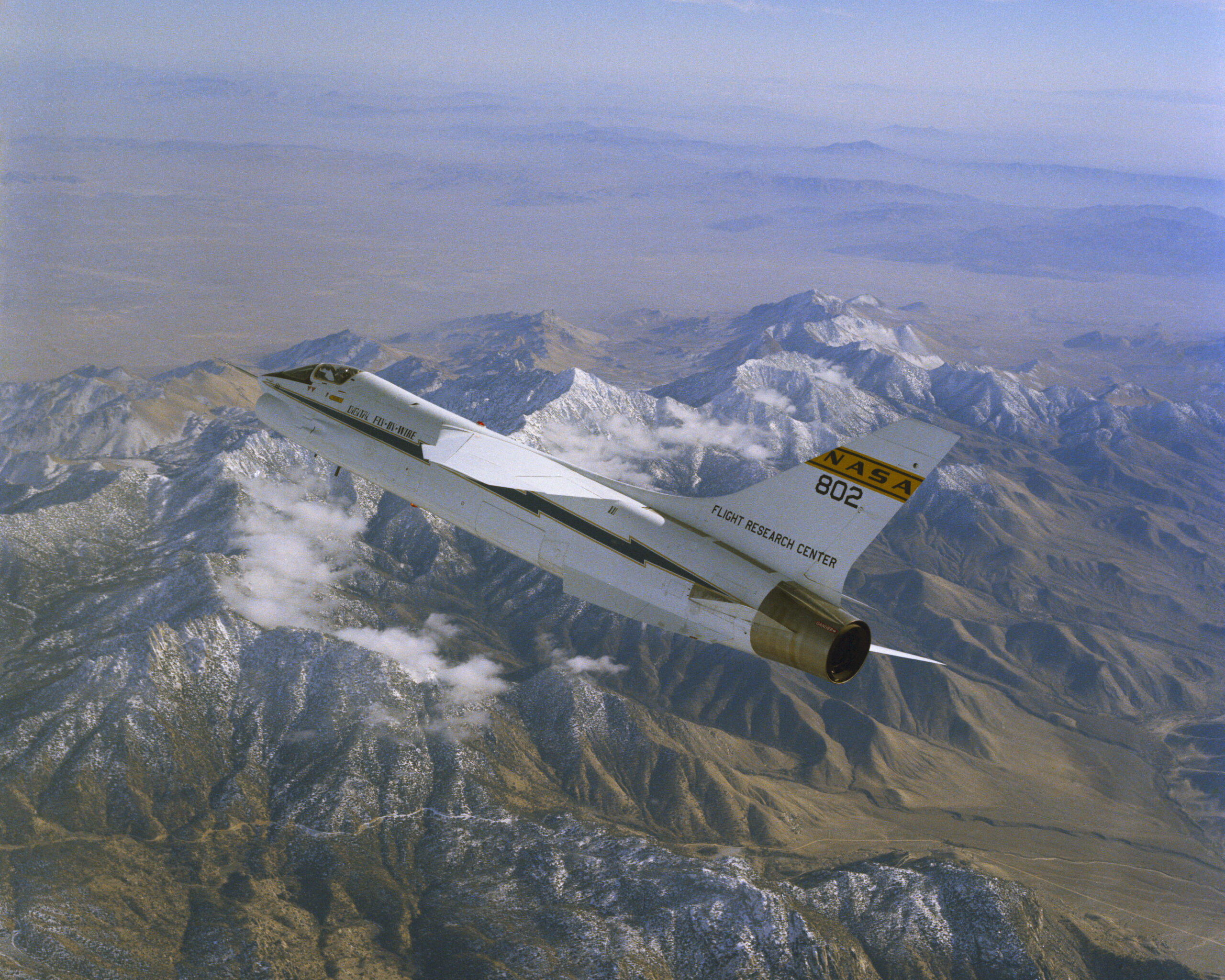
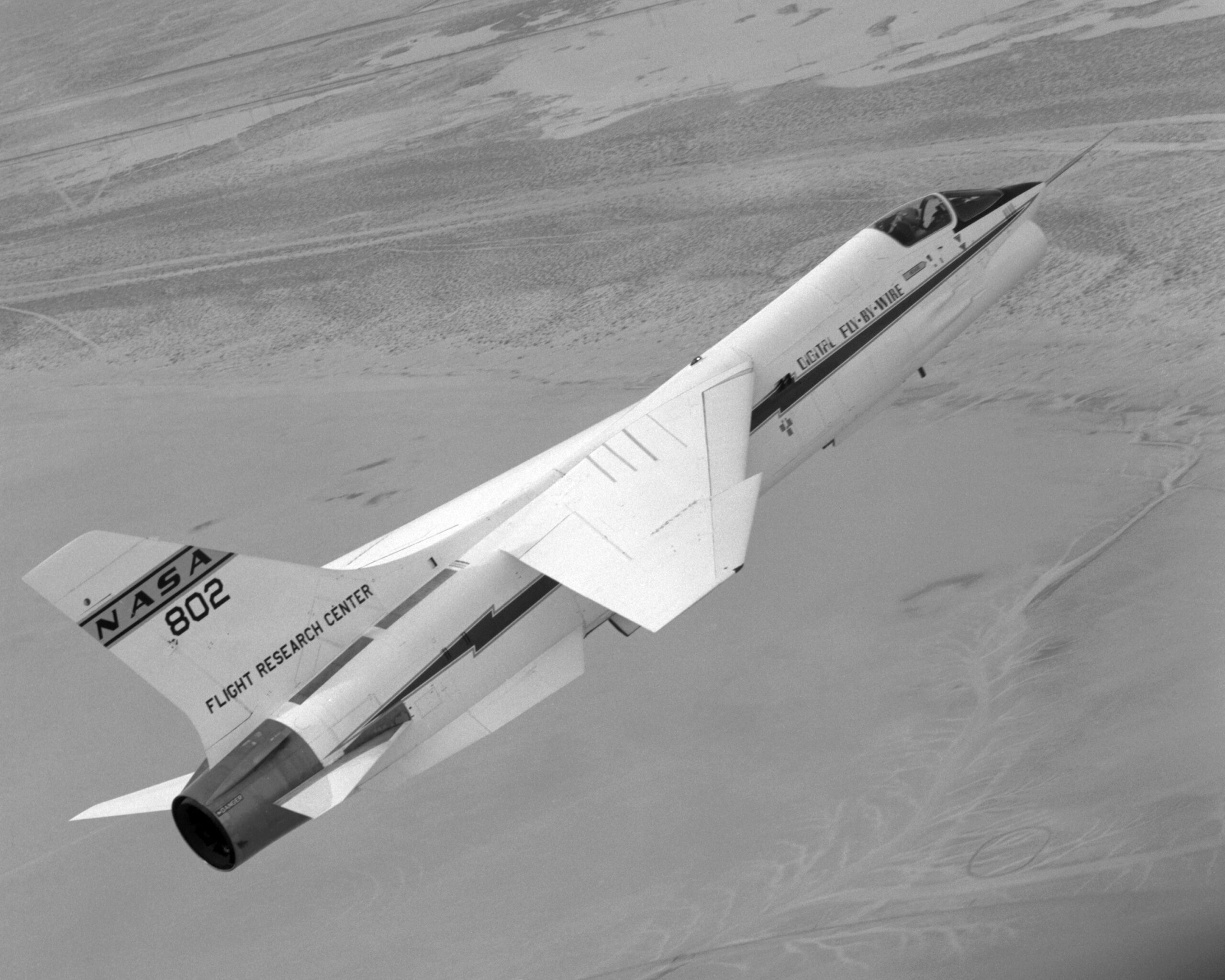
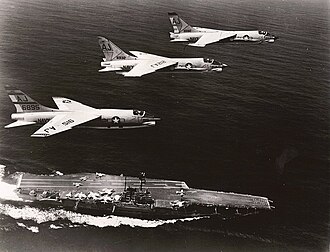


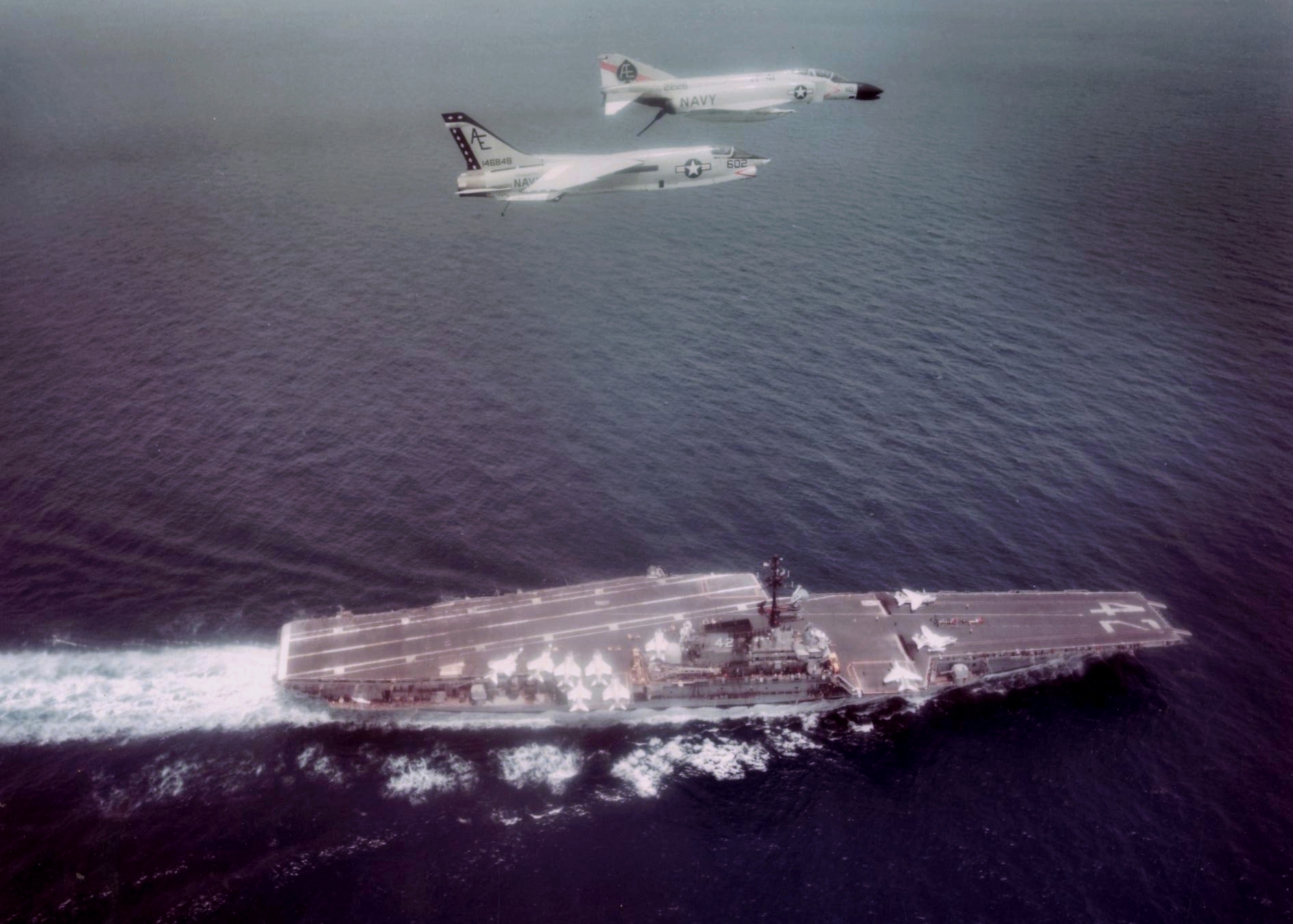
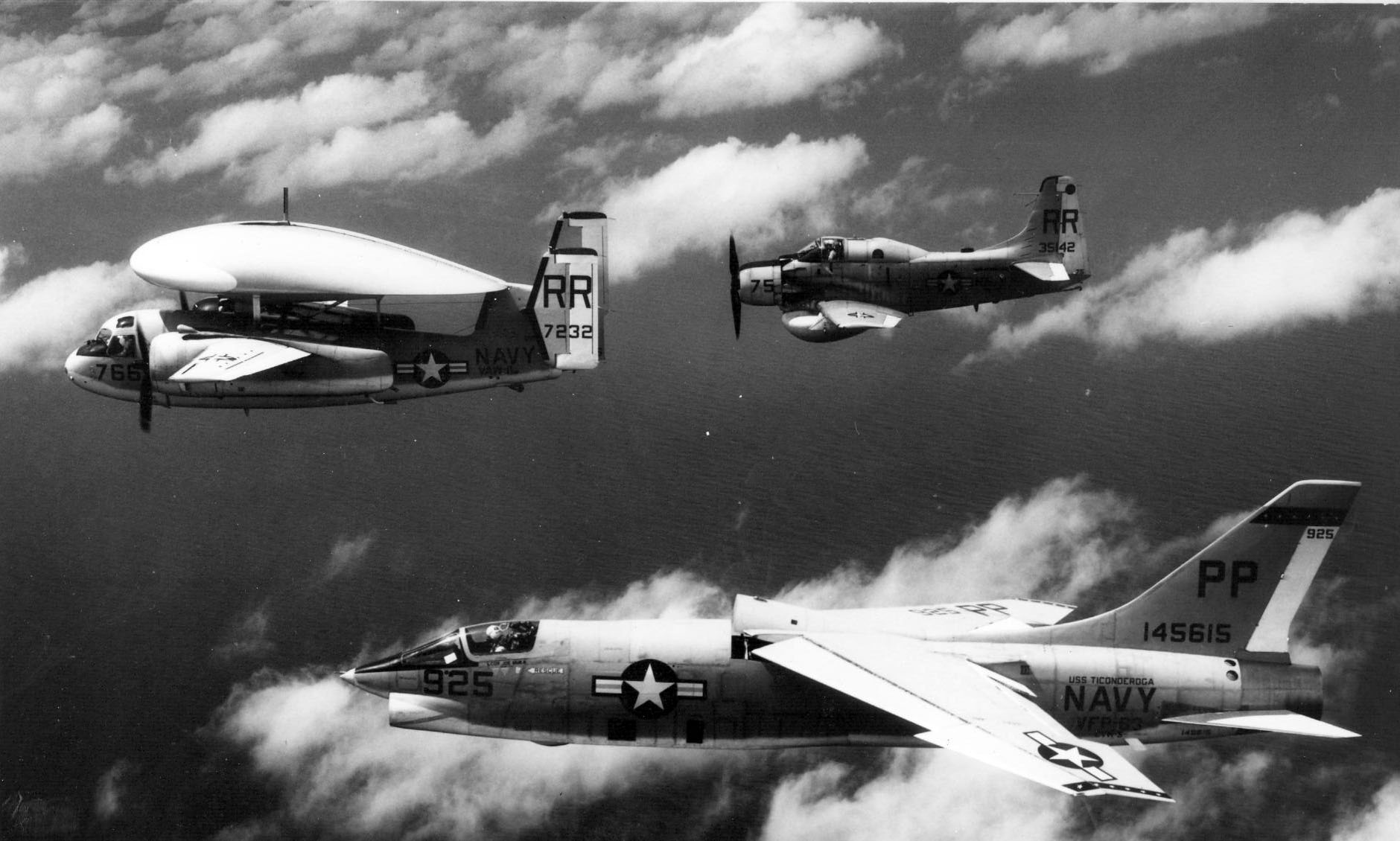
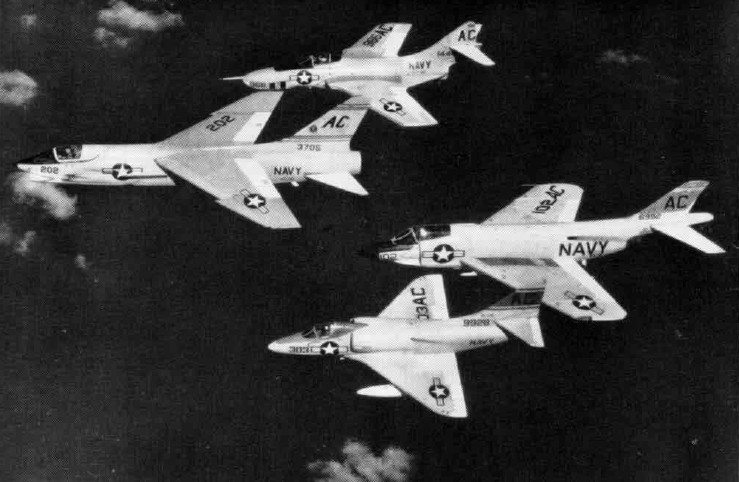
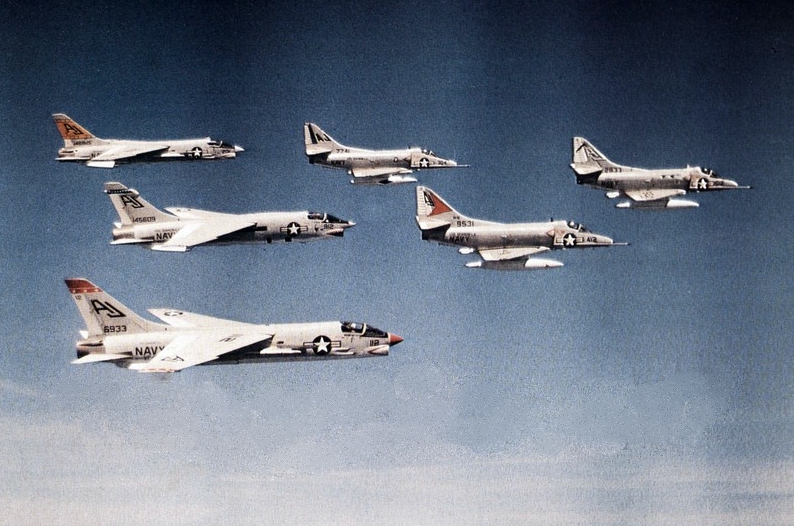

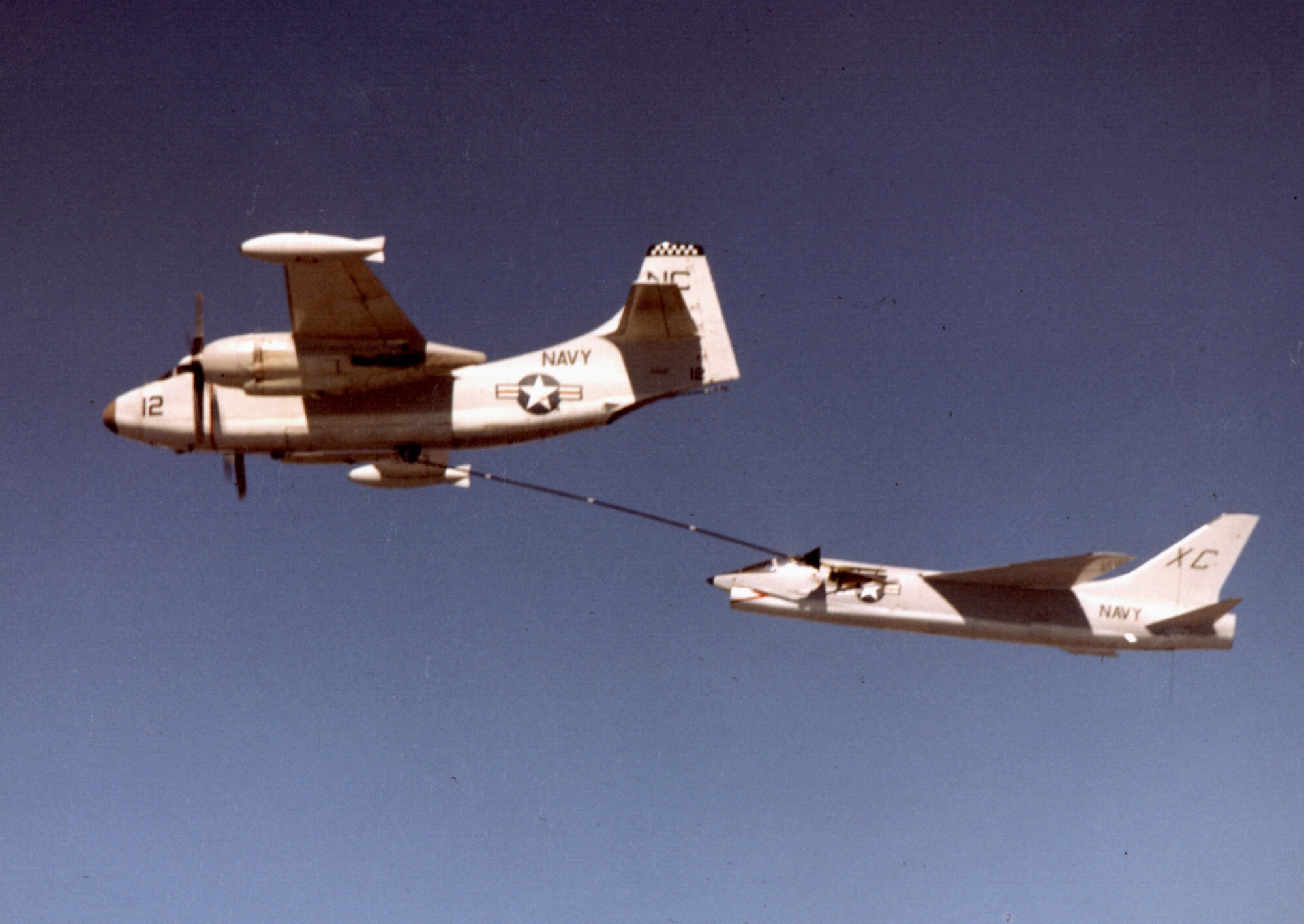
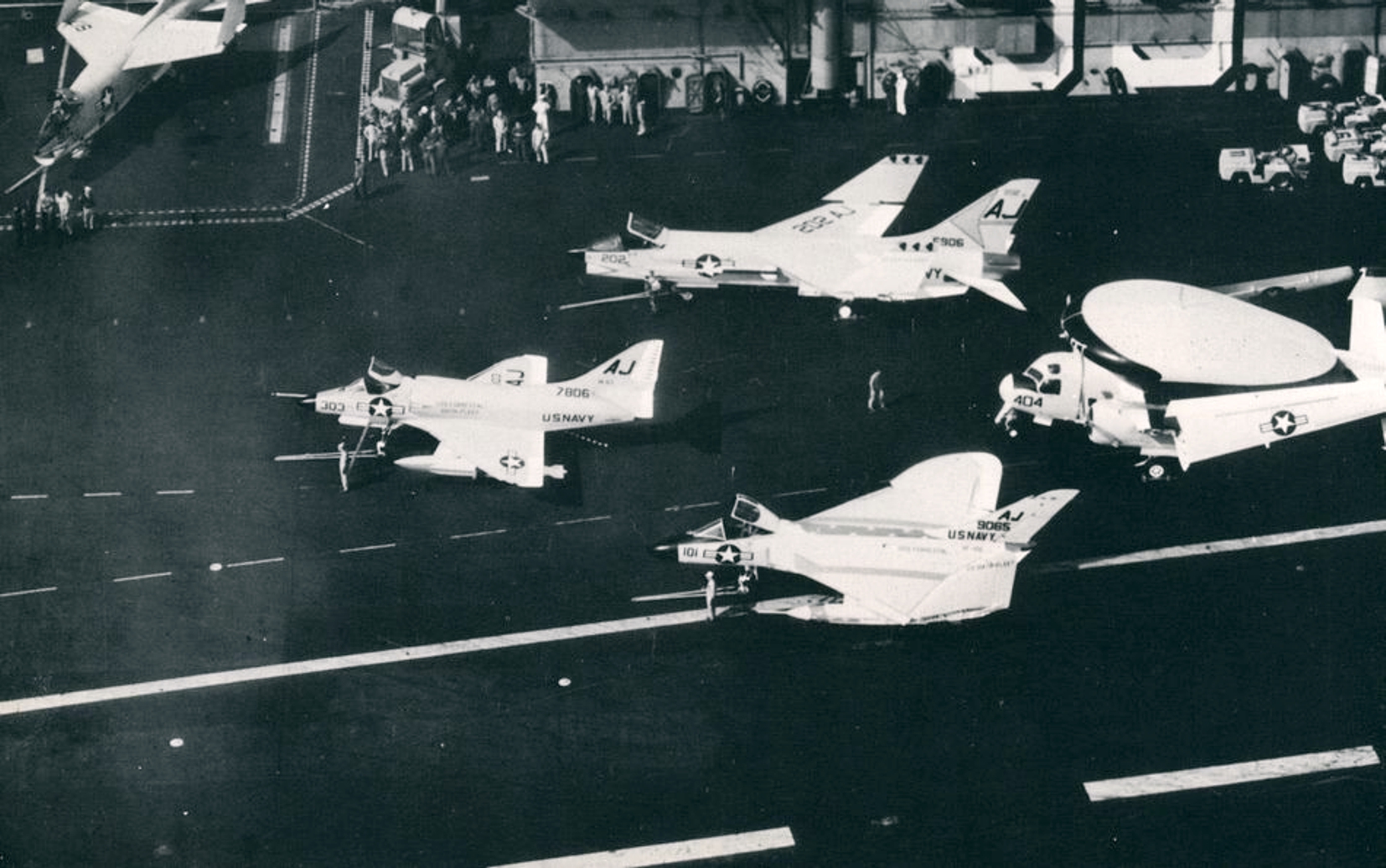
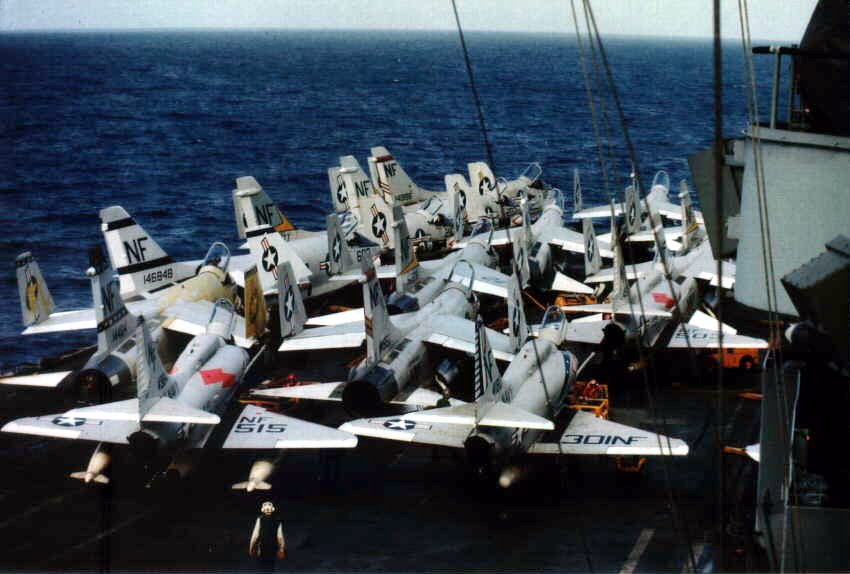
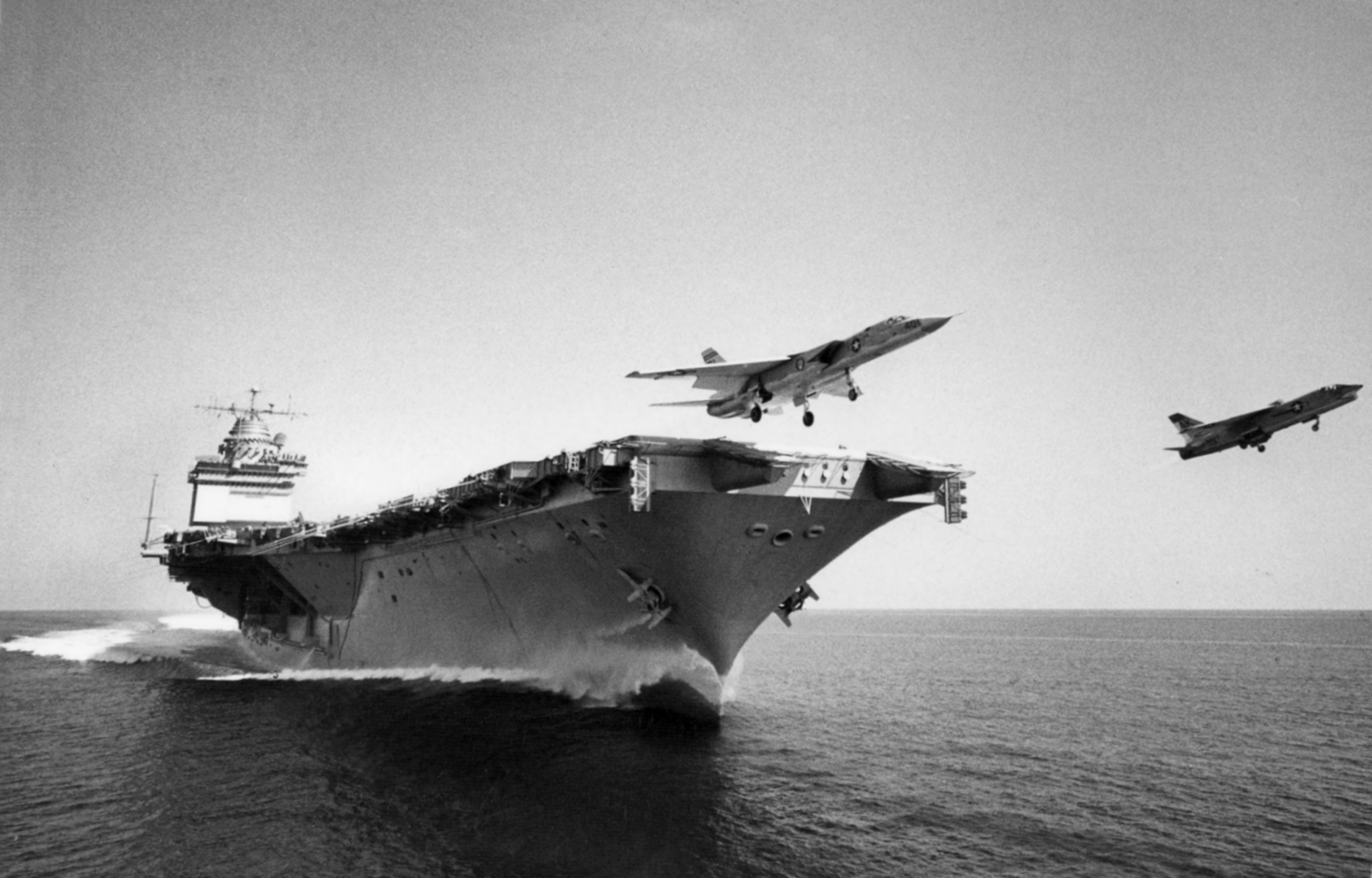
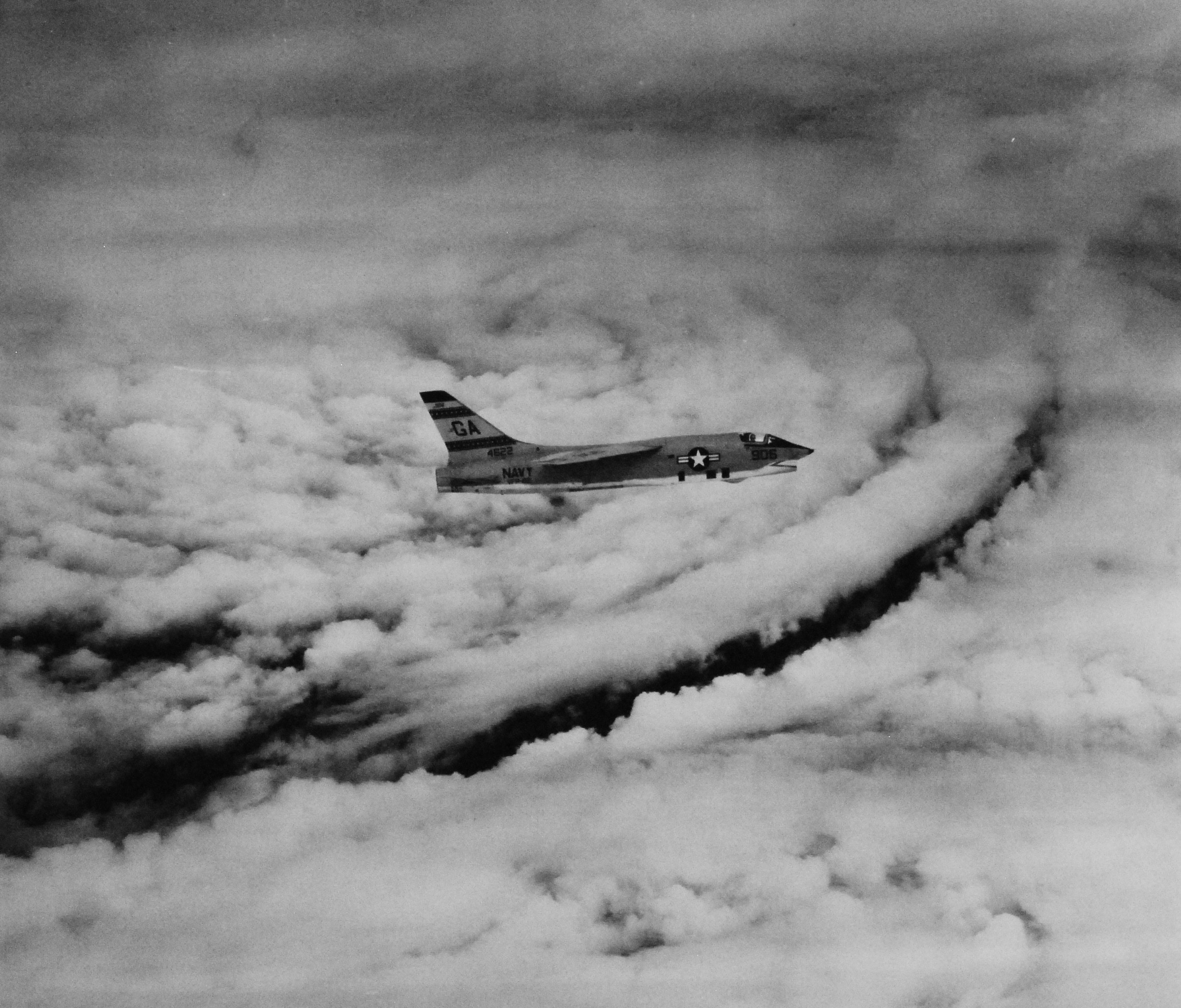
The trick was the wing. It pivoted up seven degrees for launch and recovery so the fuselage stayed nearly level while the wing made lift. A long pointed intake and a single Pratt & Whitney J57 afterburning turbojet did the rest. Later F-8Es got a larger radar, underwing pylons, and a real attack load. Photo RF-8s flew the Cuban Missile Crisis low-level runs that confirmed Soviet missiles in 1962.
In Vietnam the Crusader scored more air-to-air kills than any other Navy fighter of the war. Most of those kills were missiles. The guns still mattered to the culture of the community. The jet was also unforgiving. Mishap rates were high. The Phantom took the all-weather fighter job. U.S. fighter Crusaders left the fleet in 1976. Reserve RF-8s lasted until 1987. The Philippines flew second-hand jets until 1991. France kept naval F-8s until 4 December 1999.
About 1,261 Crusaders were built. Production ended in 1964. A few sit in museums. None still fly for a navy.
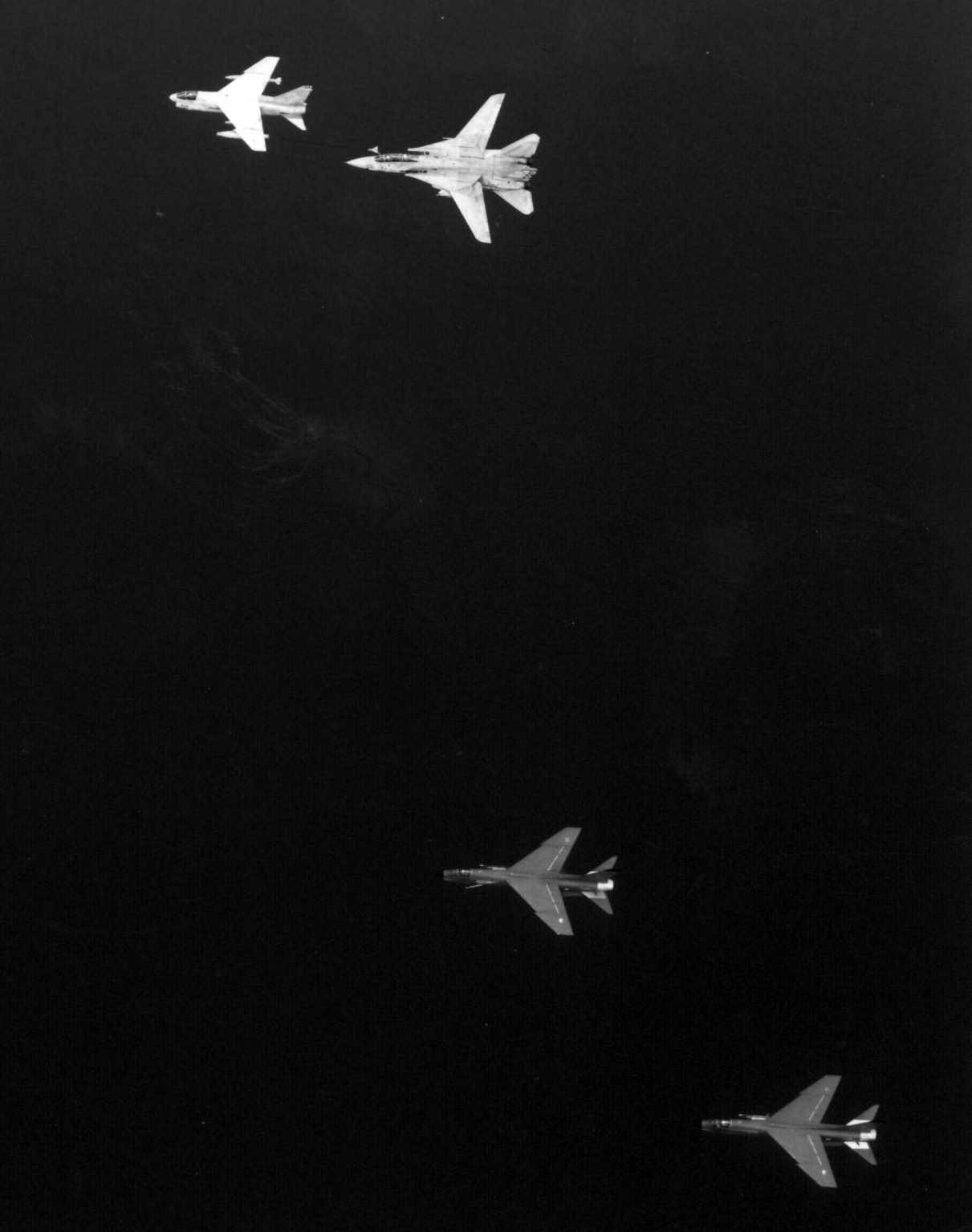
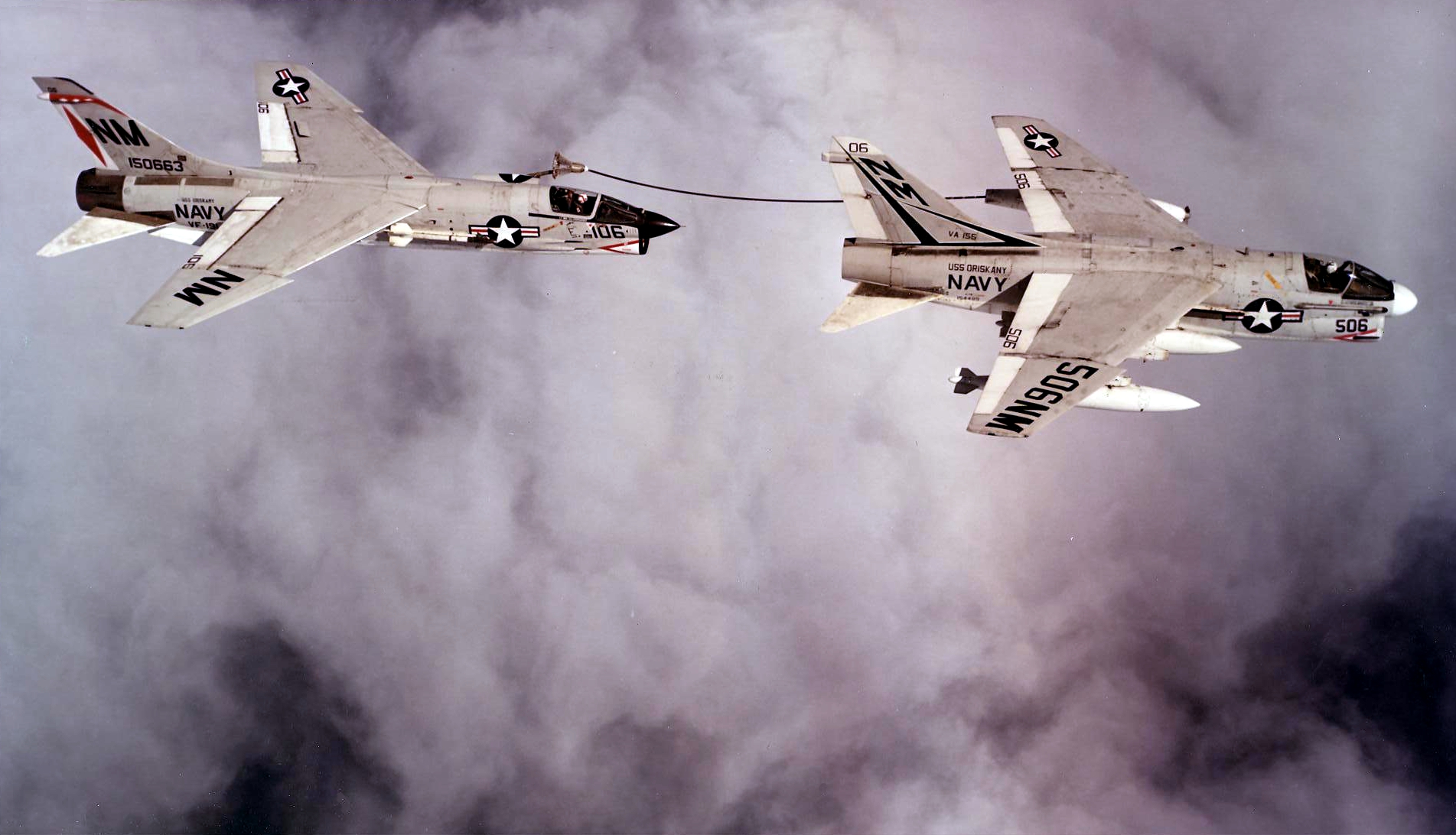
F-8 Crusader and A-7 Corsair II
The A-7 came from the same company line. LTV based the 1964 light-attack bid on the Crusader’s layout: single seat, single engine, high wing, and a chin intake. That is where the family resemblance ends. The two share no structural parts. The F-8 was a supersonic fighter with an afterburning J57, a variable-incidence wing, and four 20 mm guns as its core armament. The A-7 was built to replace the A-4 as a bomb truck. Designers shortened the fuselage, widened and unswept the wing, dropped the pivoting wing, and fitted a non-afterburning turbofan. The result was subsonic, longer-legged, and able to haul a much larger load with a digital bombing system the Crusader never had. First flight was in September 1965. Crews later called it the SLUF.
F-8E Stats (published figures)
- Crew: 1
- Powerplant: 1 × Pratt & Whitney J57-P-20A, 18,000 lbf with afterburner
- Wingspan: 35 ft 2 in
- Length: 54 ft 6 in
- Height: 15 ft 9 in
- Empty weight: ~19,700 lb
- Max takeoff weight: 34,000 lb
- Armament: 4 × 20 mm Colt Mk 12 cannon; AIM-9 Sidewinders; later underwing stores
- Max speed: about Mach 1.7–1.8 (roughly 1,130–1,225 mph at altitude)
- Ferry range: about 1,700 mi
- Service ceiling: about 58,000 ft
- Built (all variants): ~1,261
- First flight: 25 March 1955
- Initial operational capability: March 1957
- Retired: 1976 (U.S. fighters); 1987 (U.S. RF-8 reserve); 4 December 1999 (France)