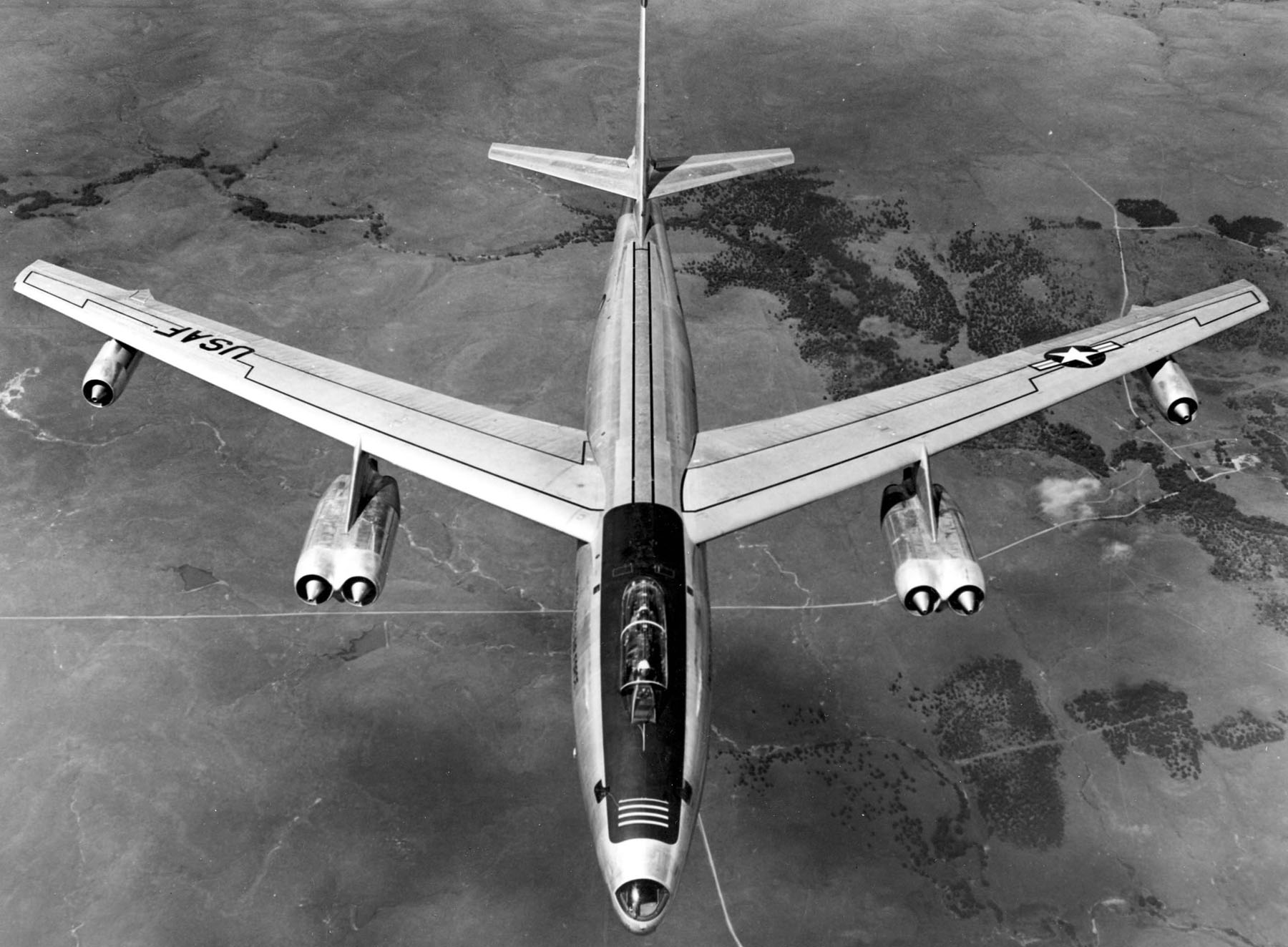
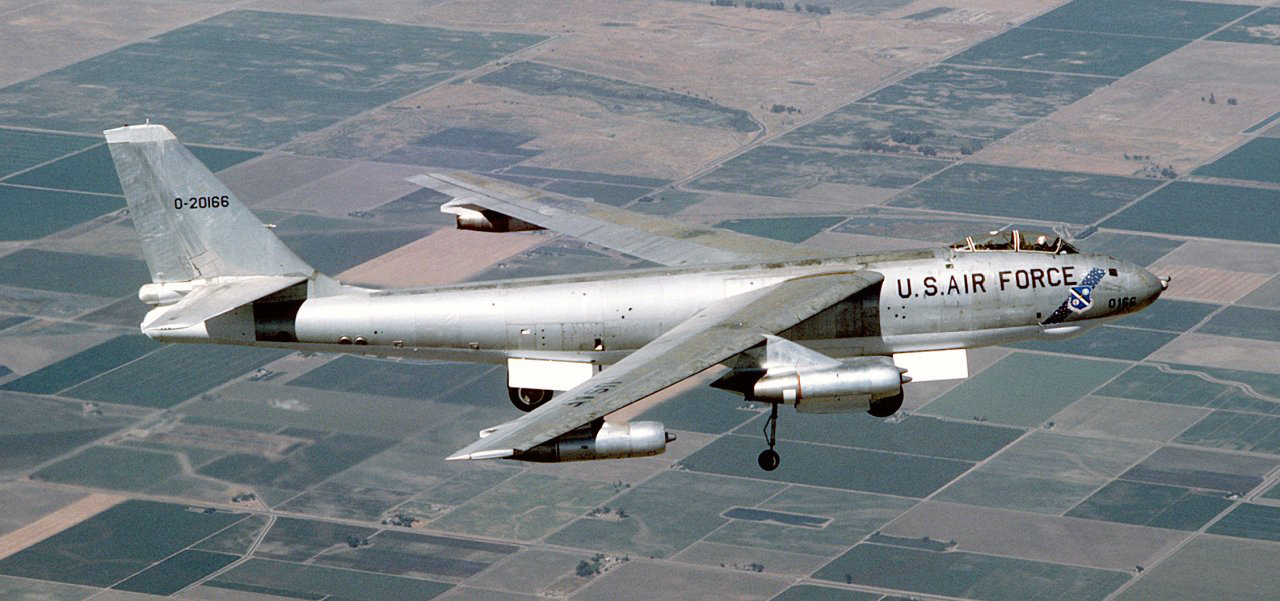
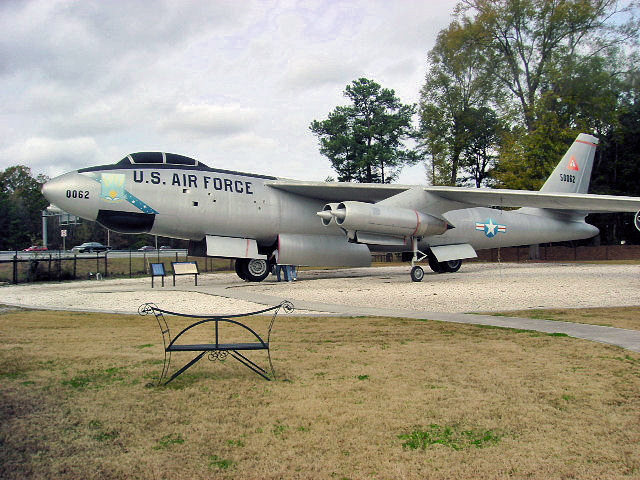
The B-47 grew out of a 1944 requirement for a jet bomber, and its first prototype took off on December 17, 1947, the 44th anniversary of the Wright brothers’ first flights. Boeing test pilots Robert Robbins and Scott Osler flew the XB-47 from Boeing Field in Seattle to Moses Lake, Washington, in about 52 minutes. Nothing like it had flown before. It combined swept wings, jet engines hung in pods under the wings, and a “bicycle” arrangement of main landing gear in the fuselage. Automation cut the crew to three: a pilot, a copilot who also operated the tail guns, and a navigator-bombardier.
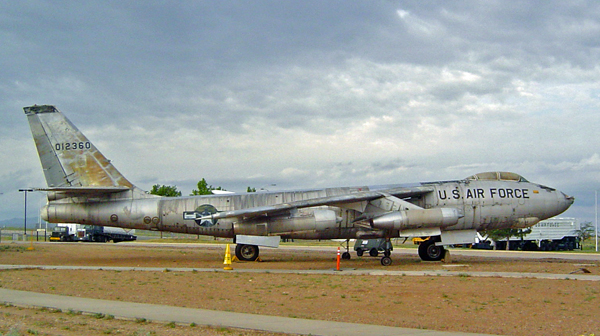
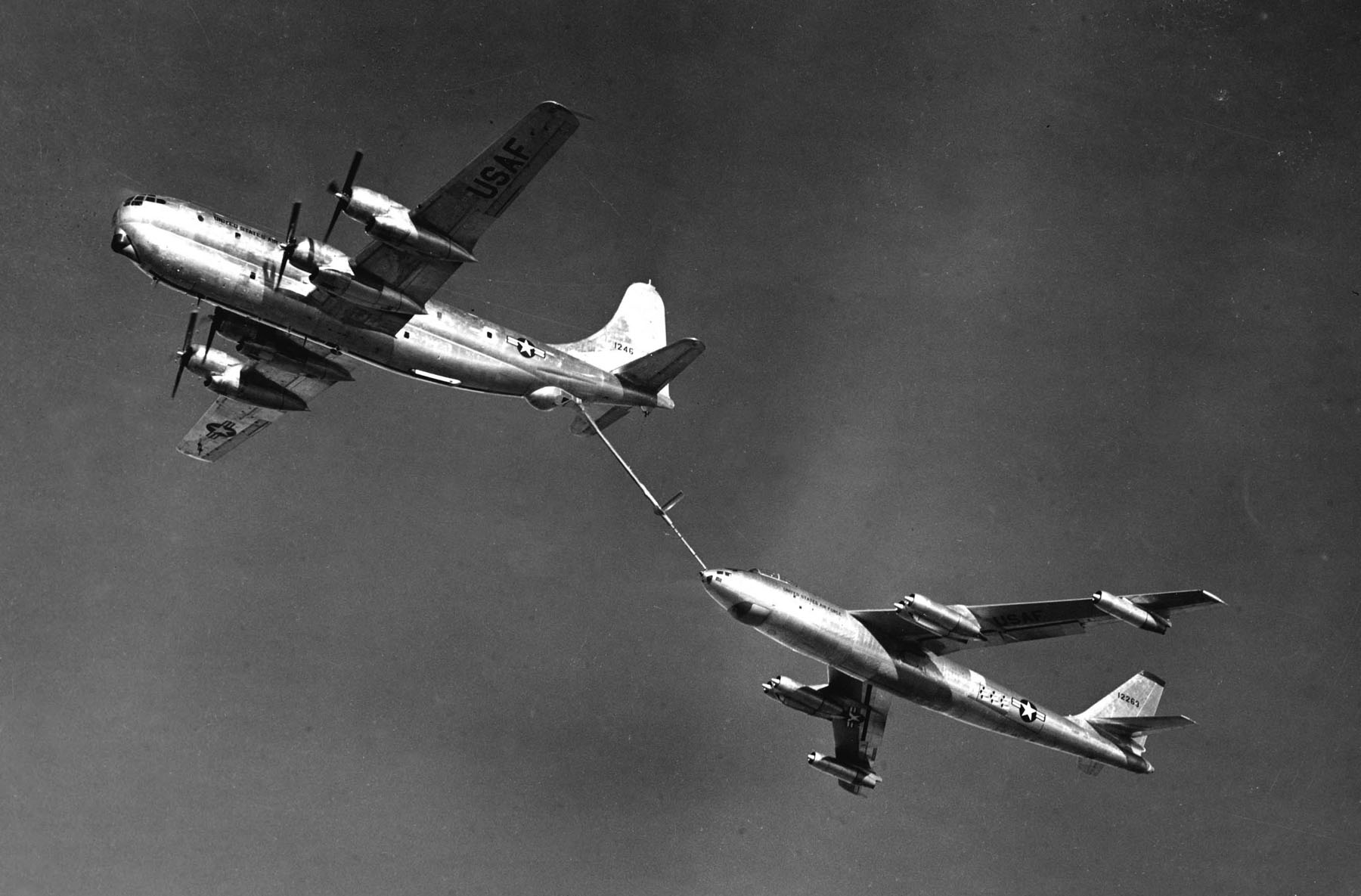
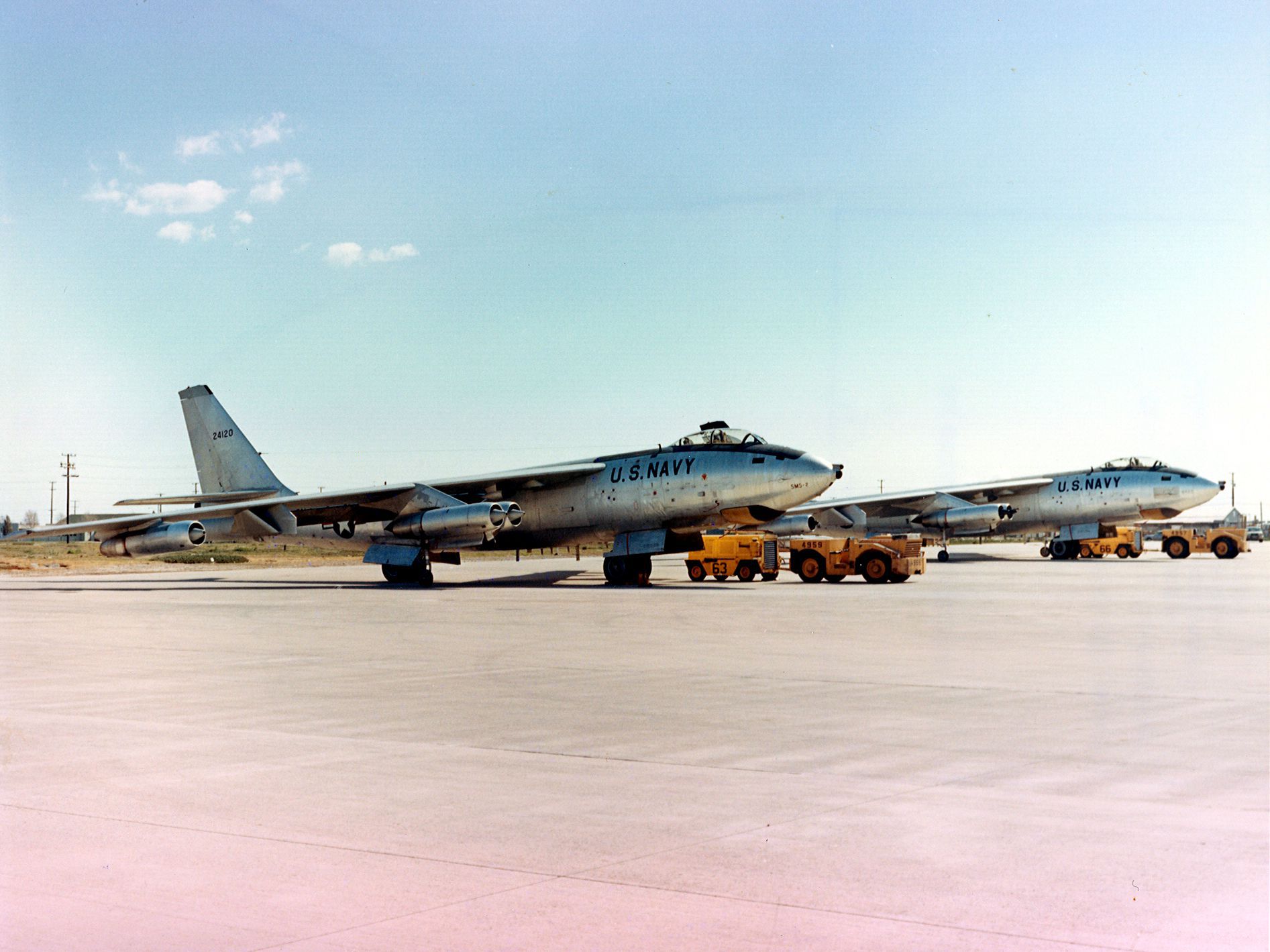
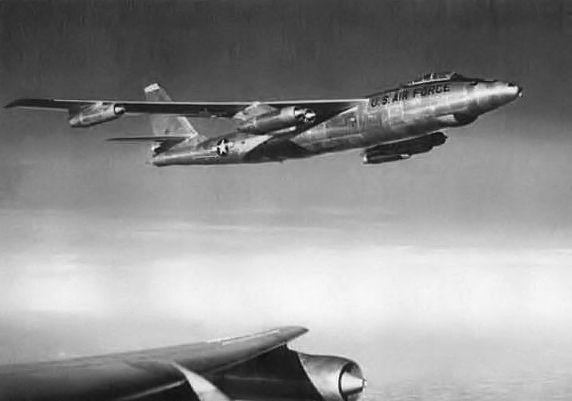
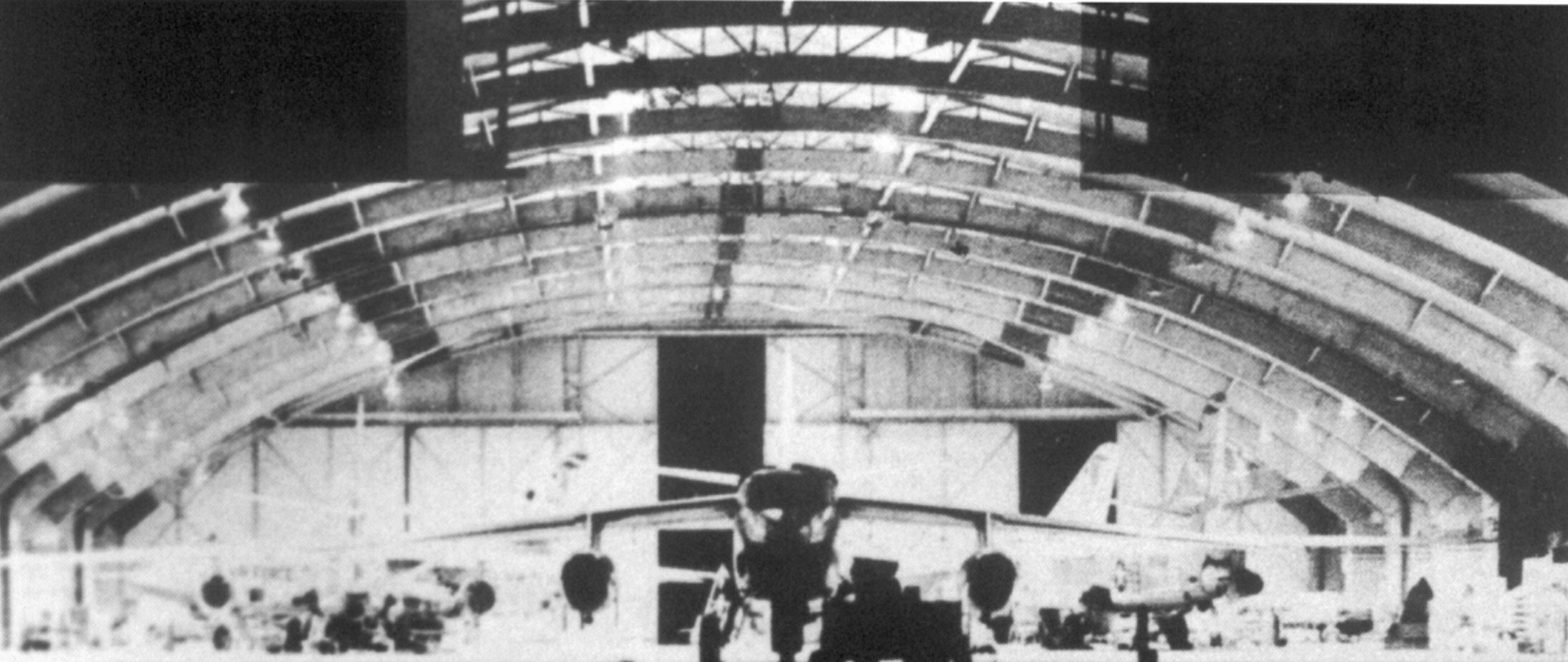
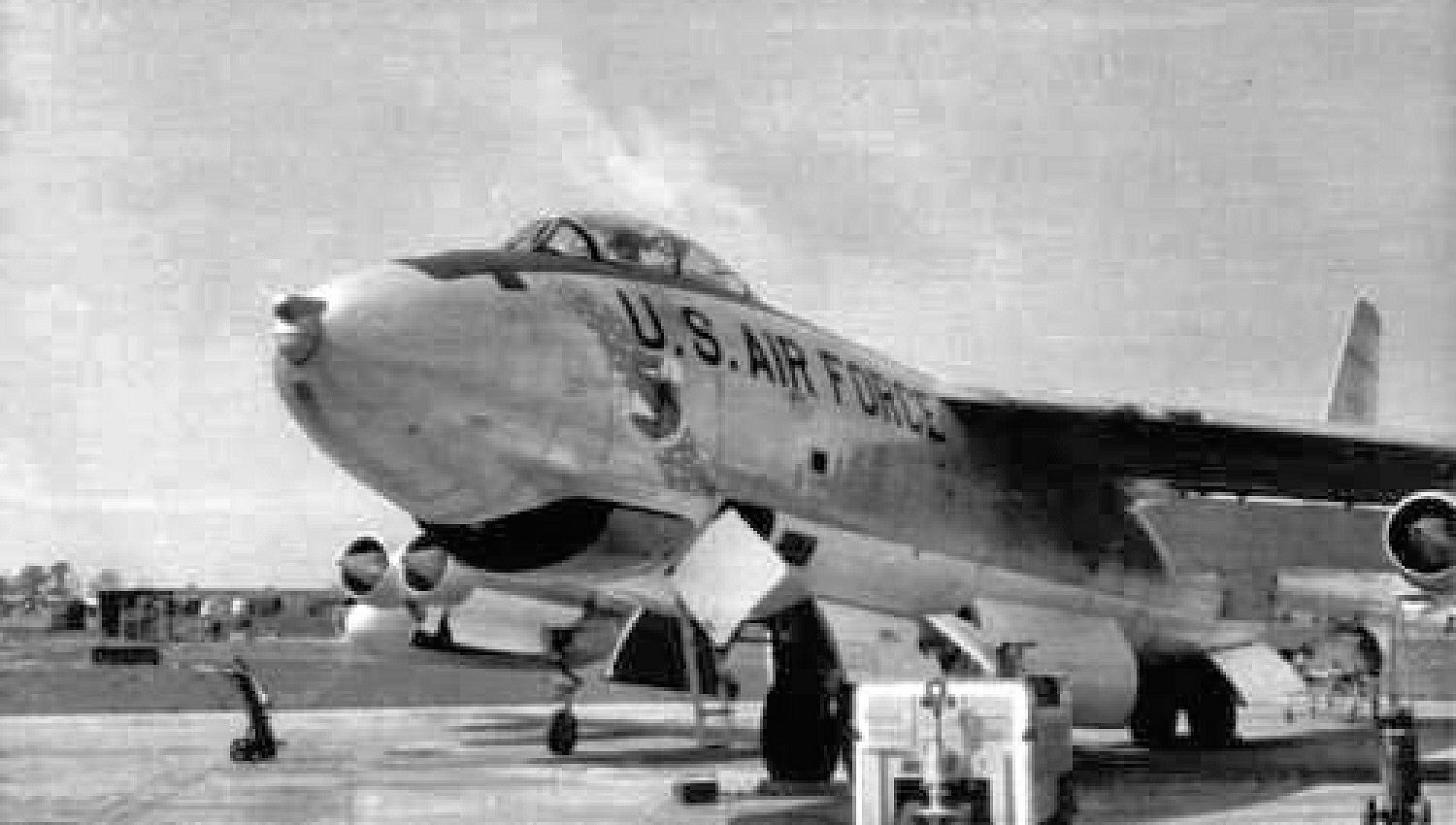
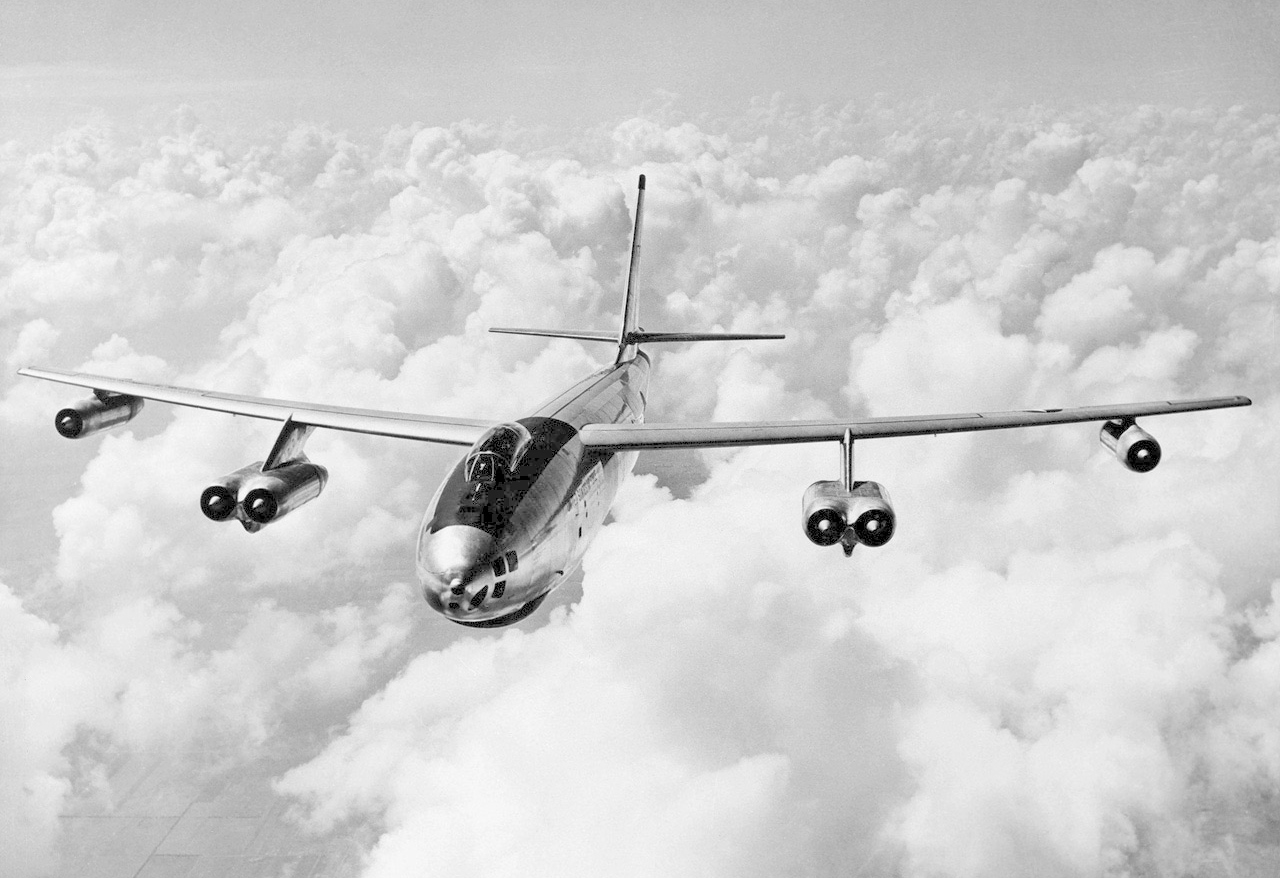
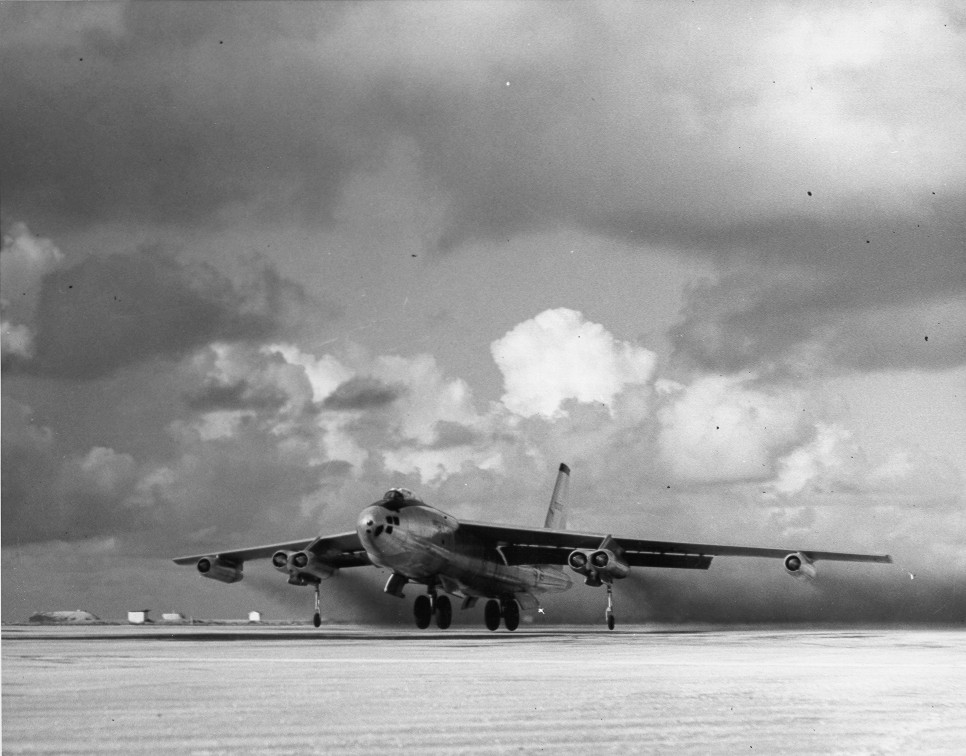
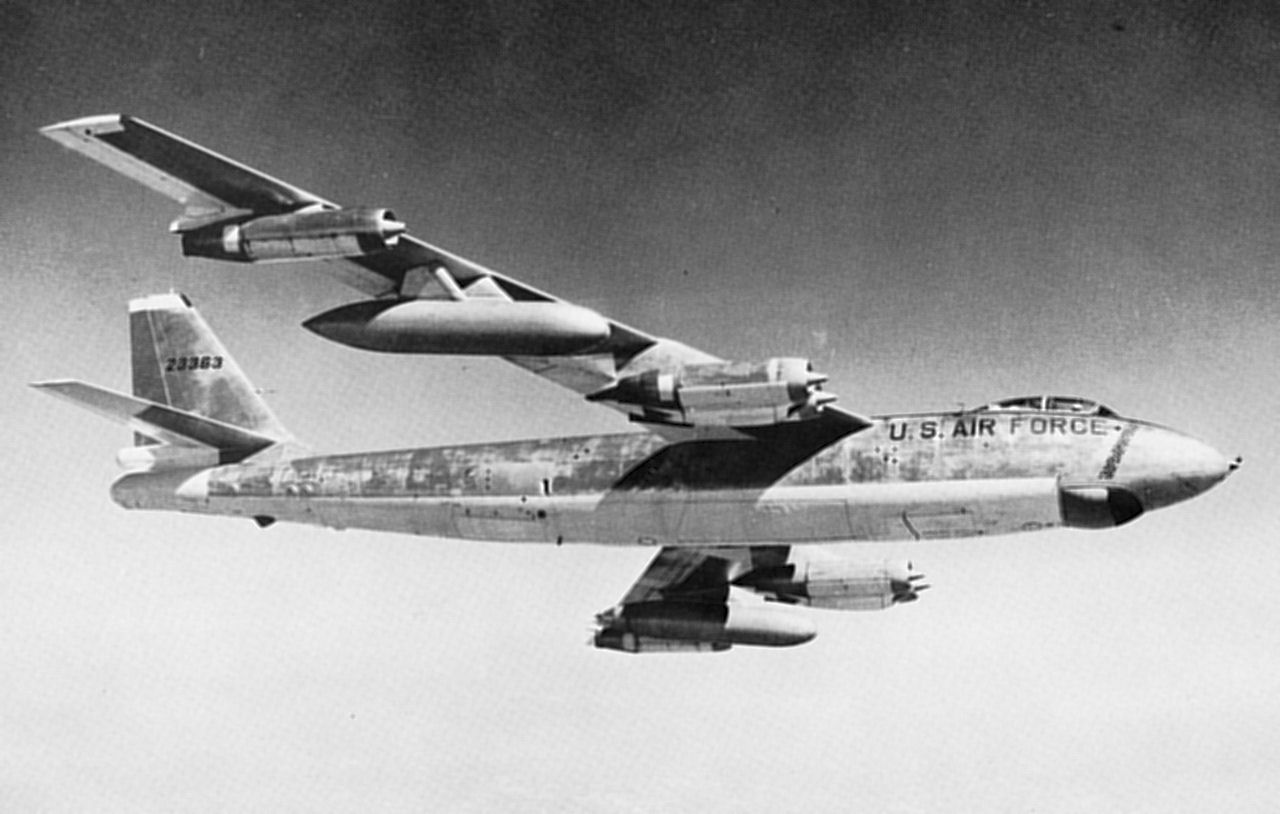
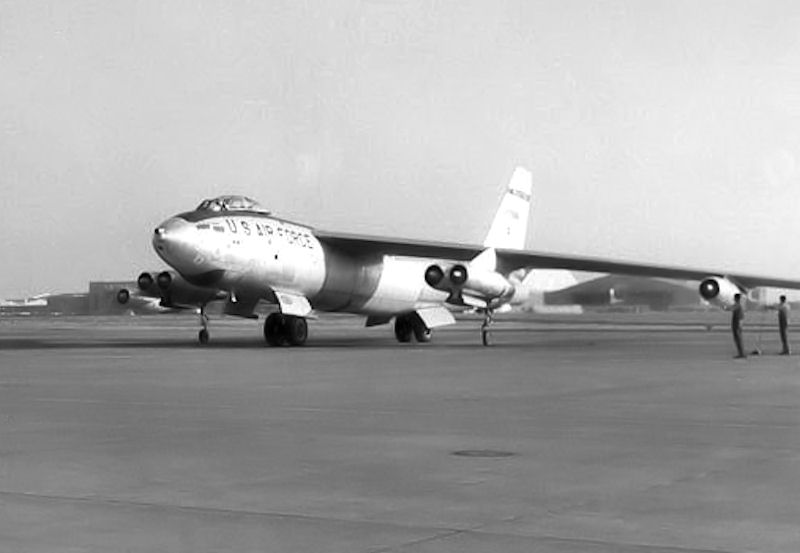
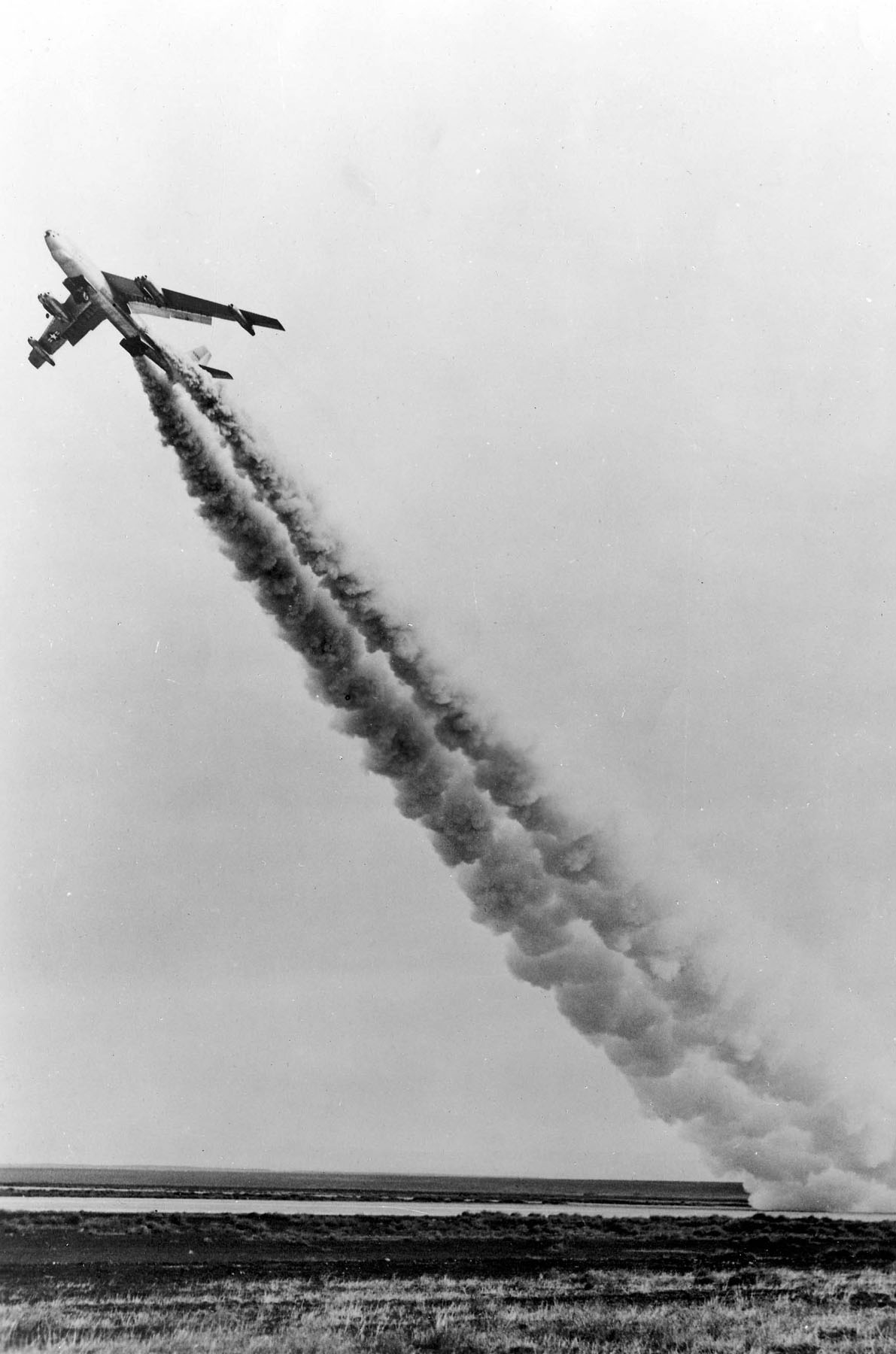
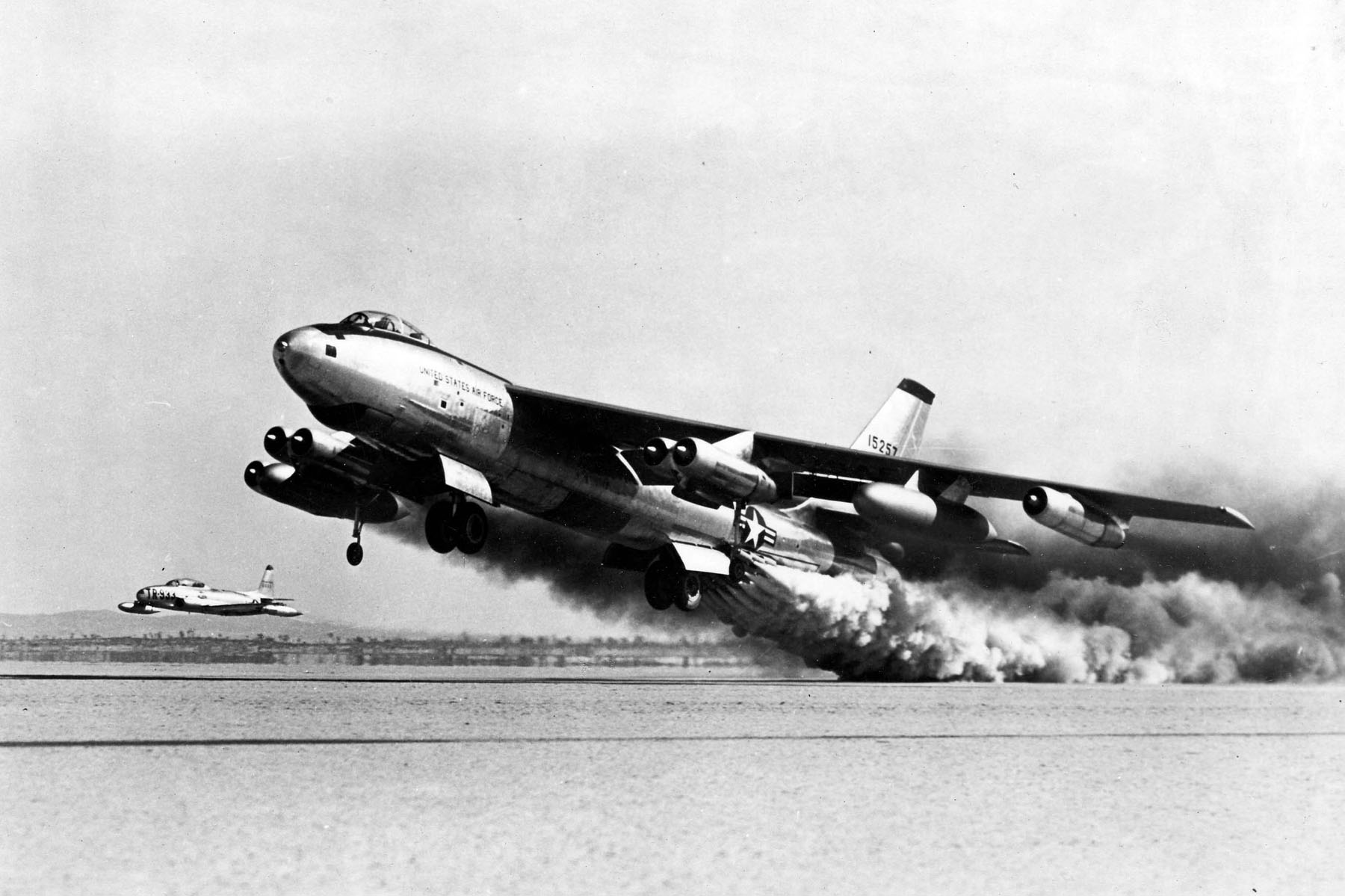
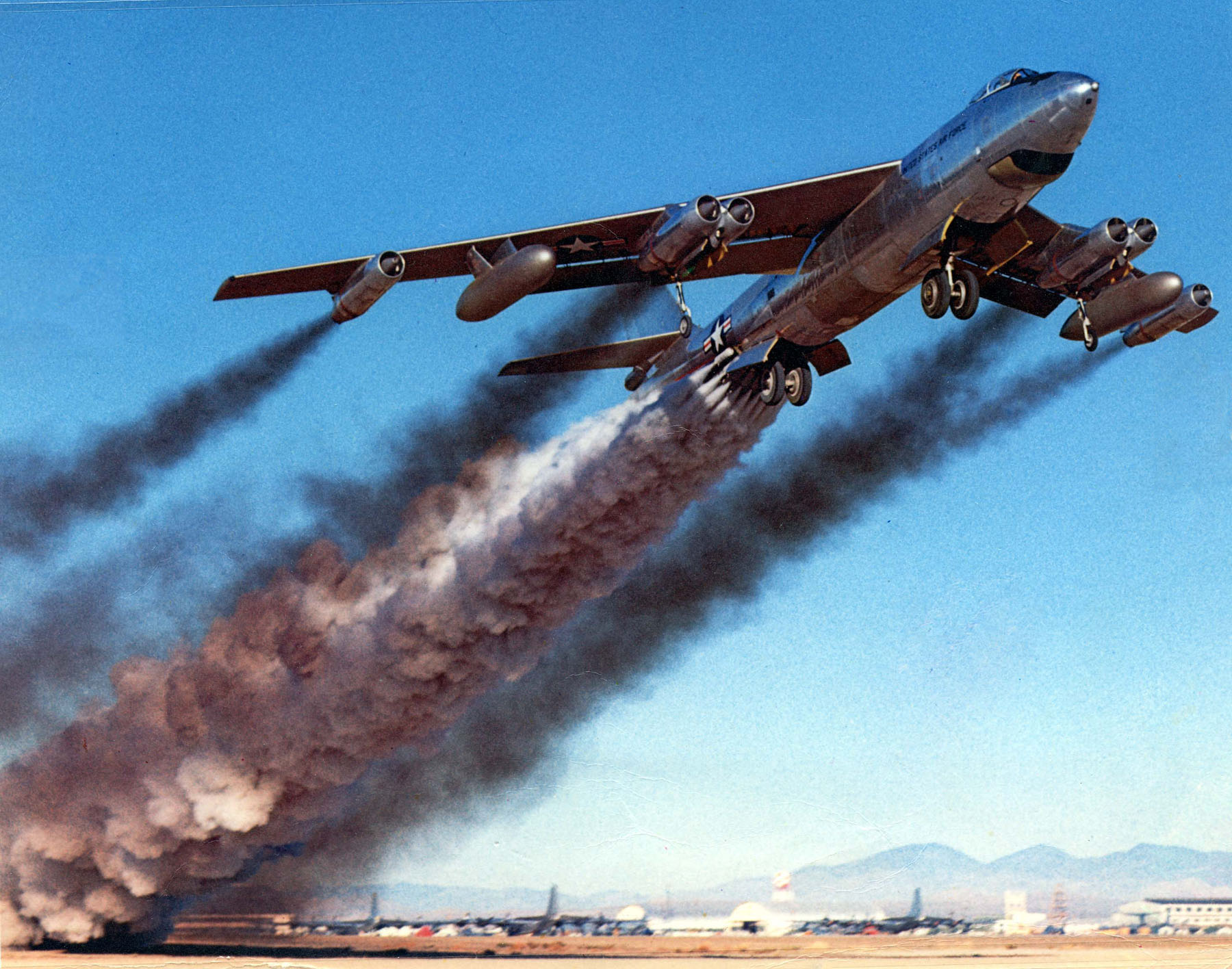
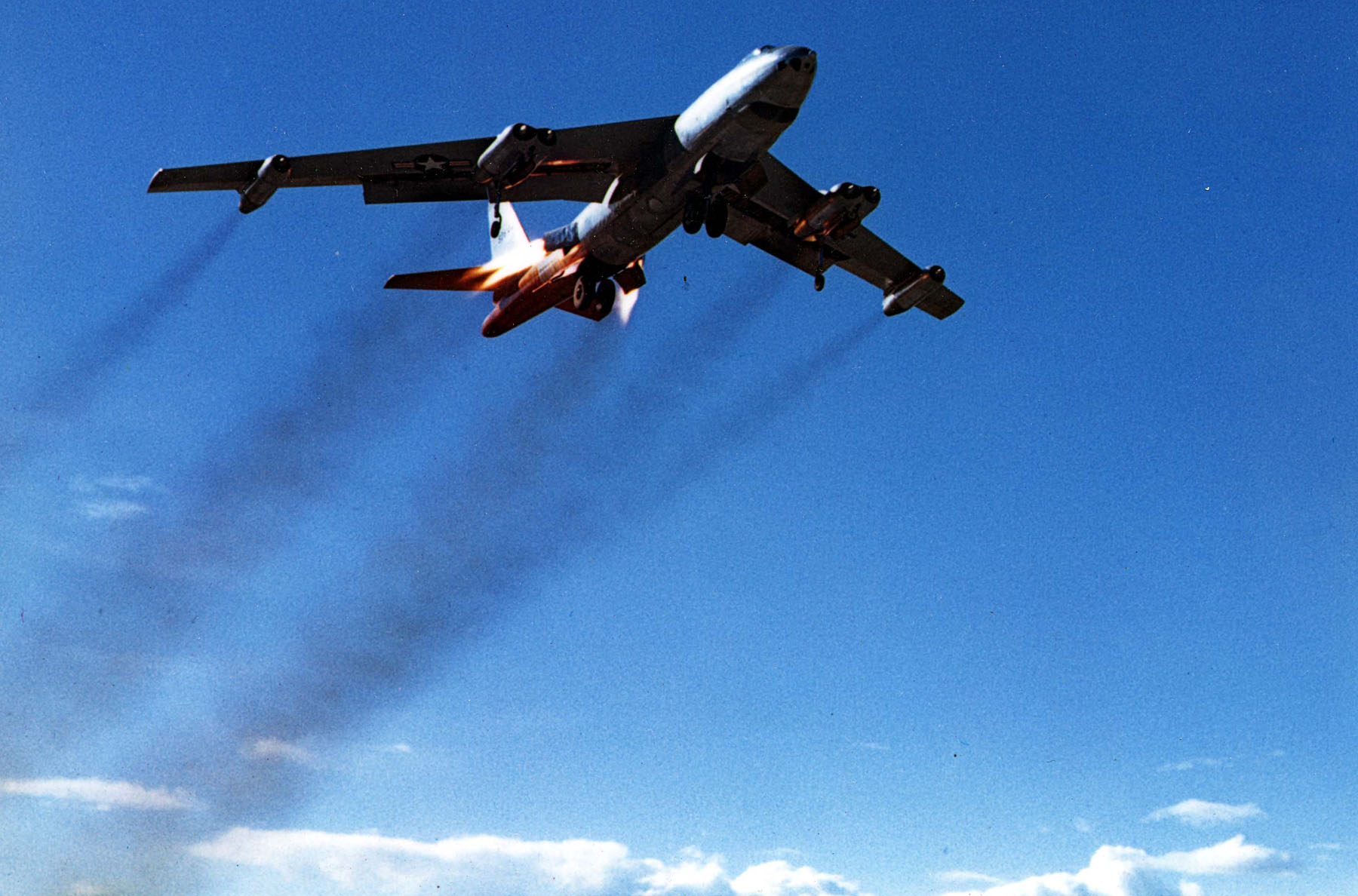
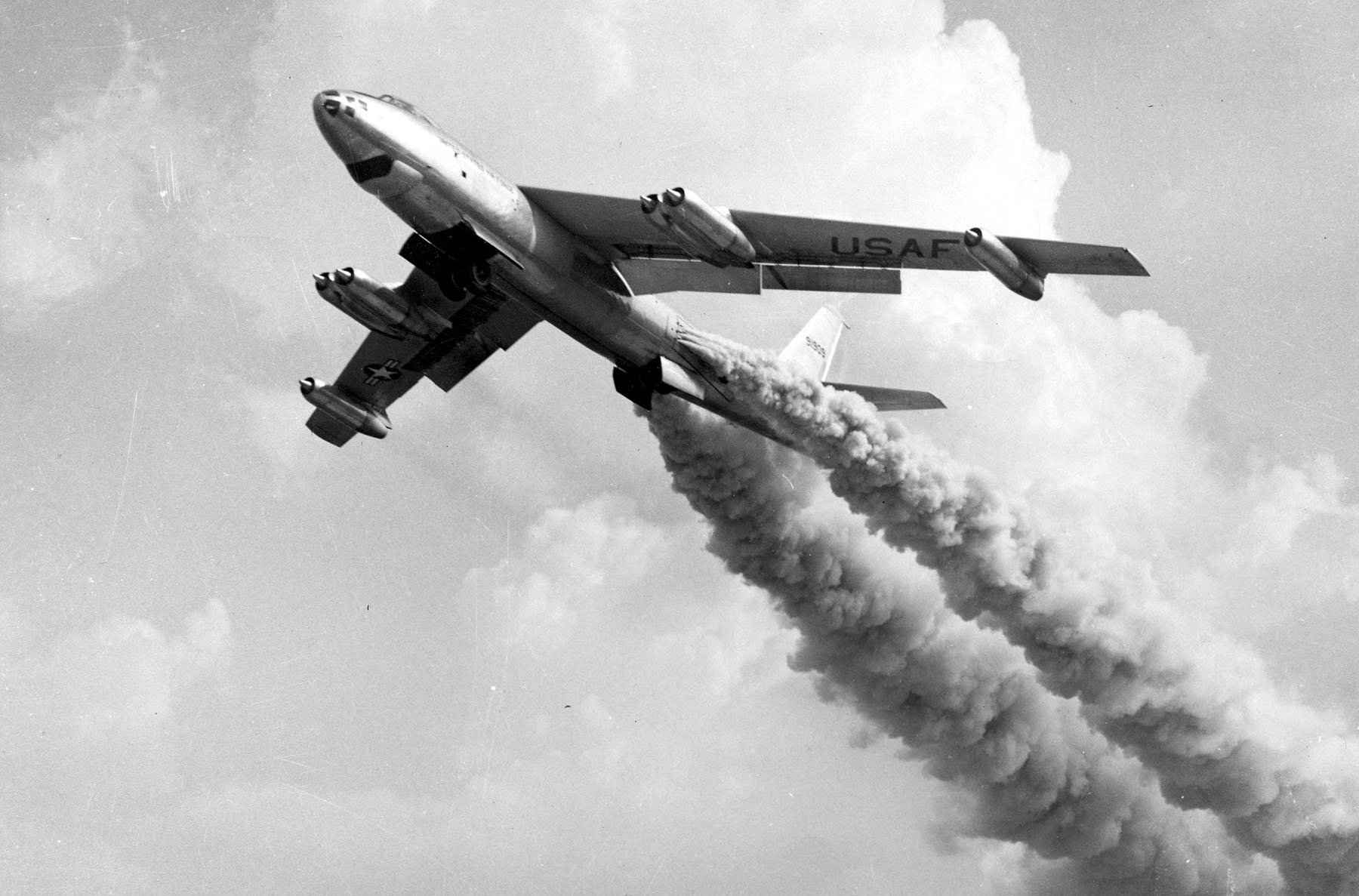
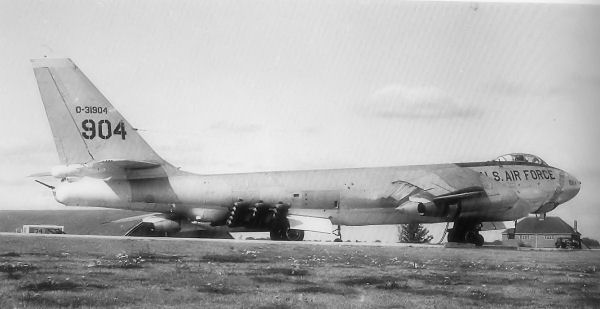
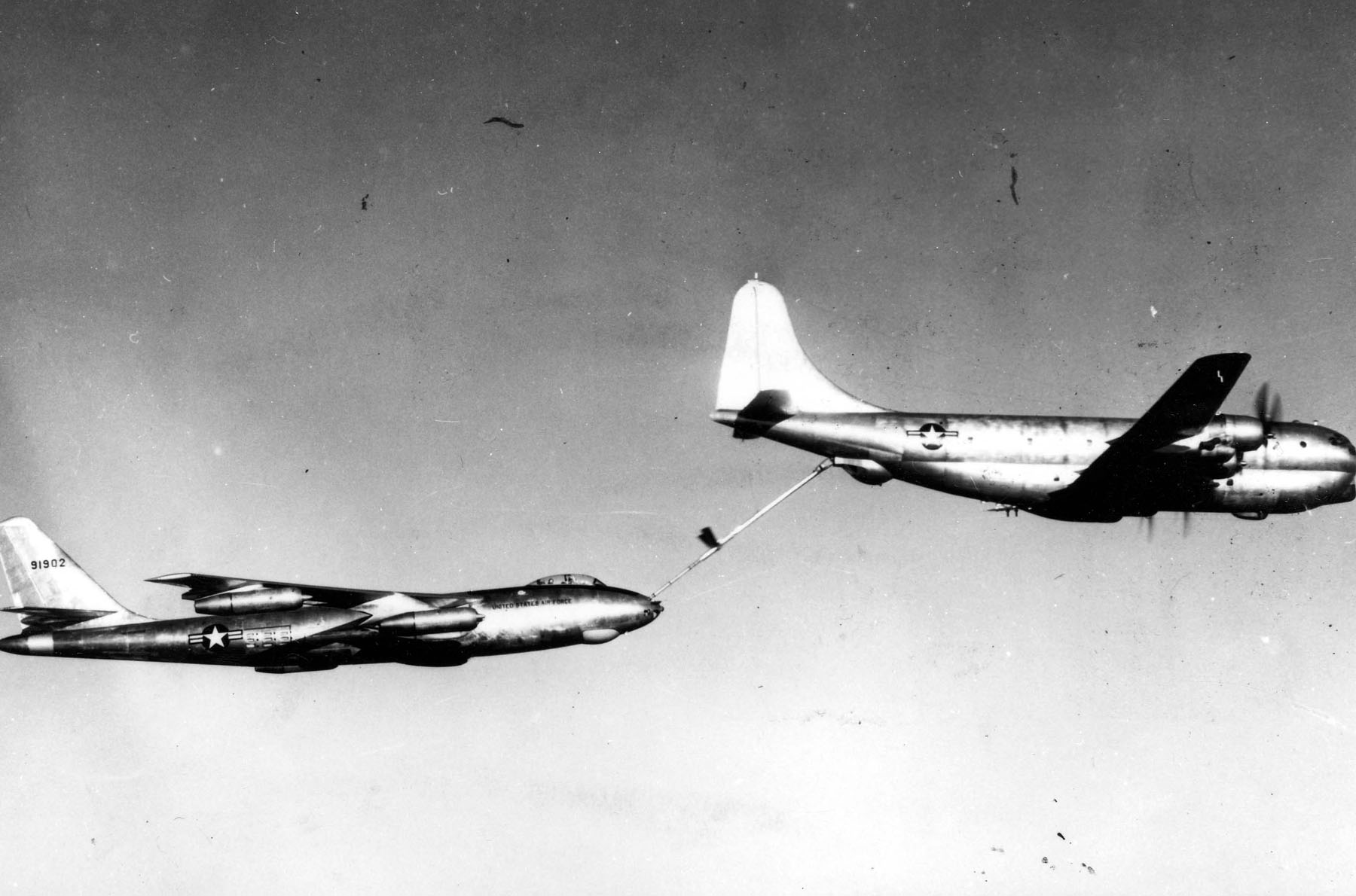
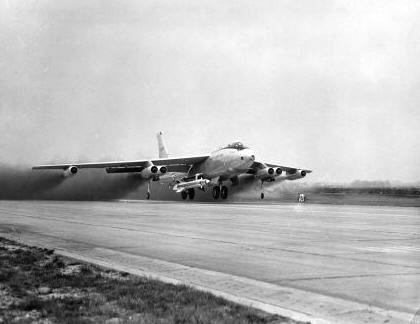
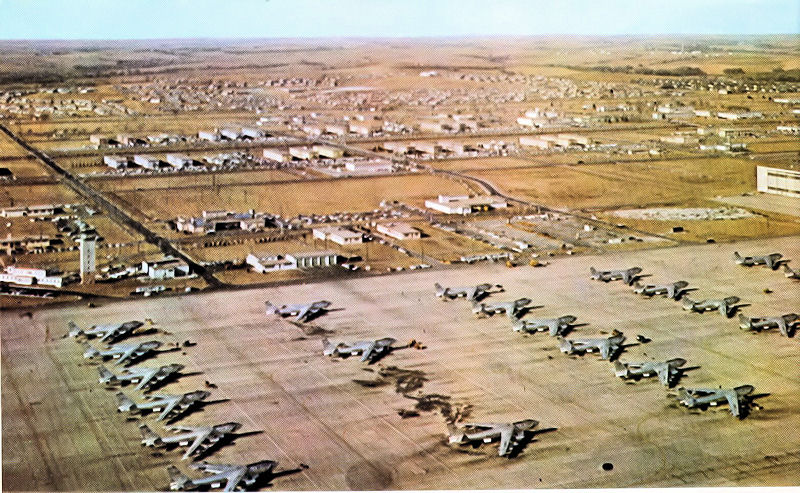
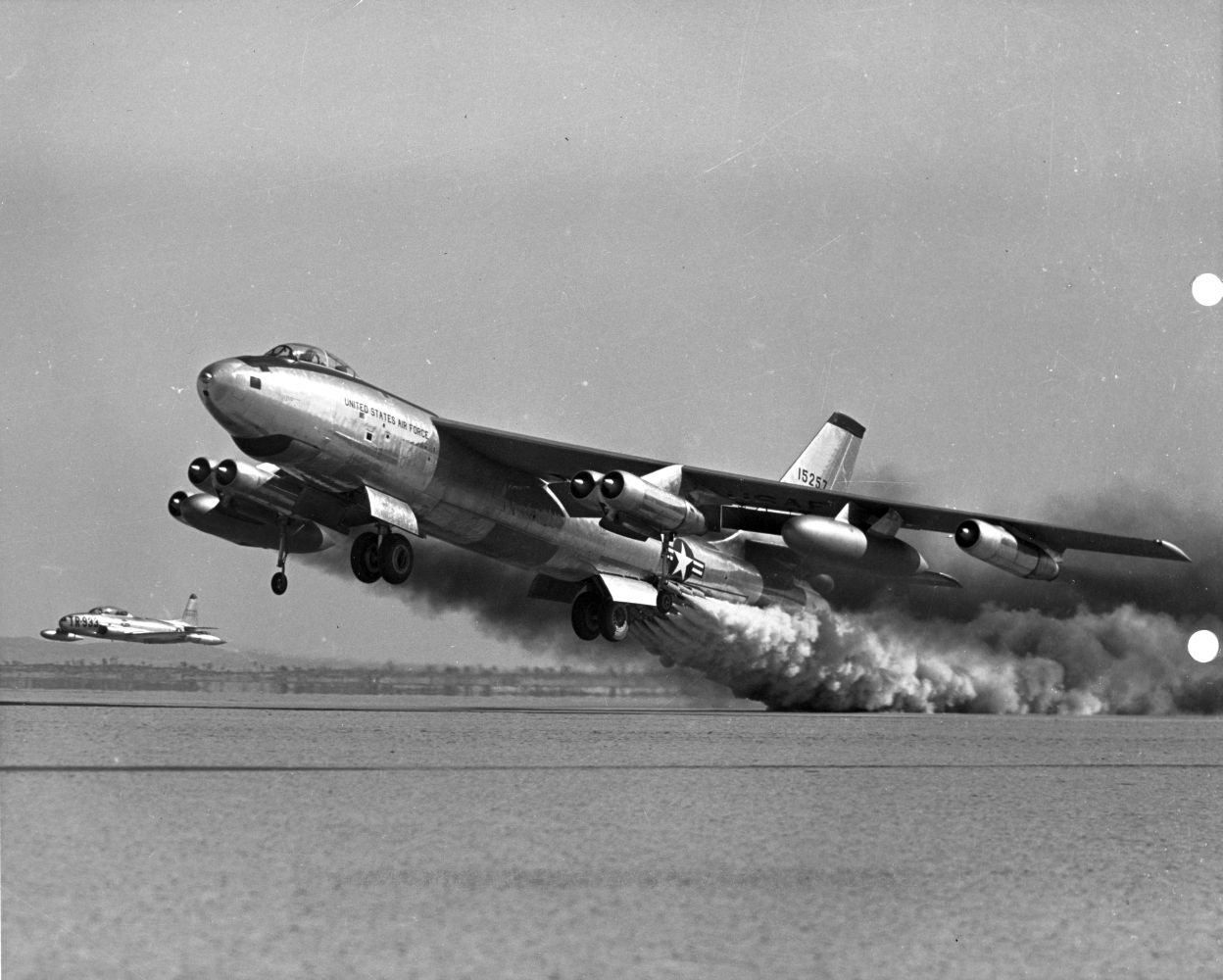
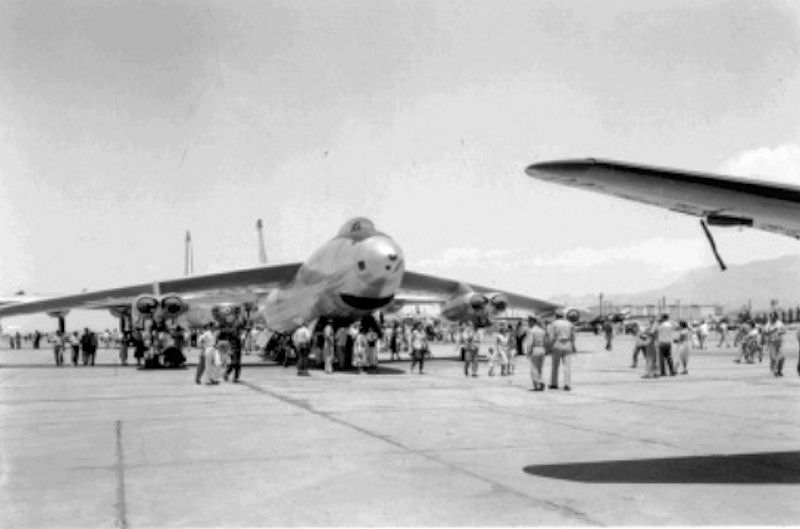
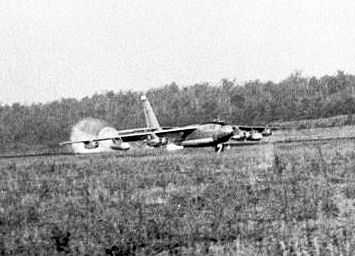
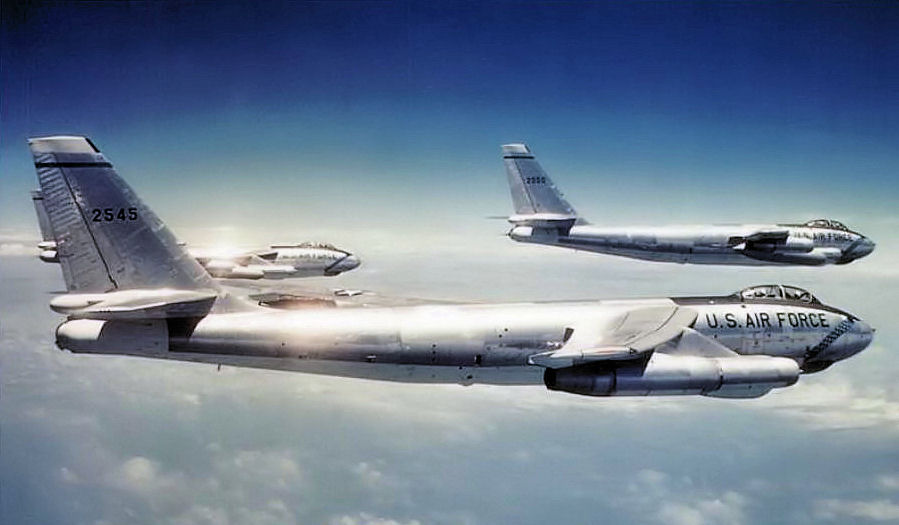
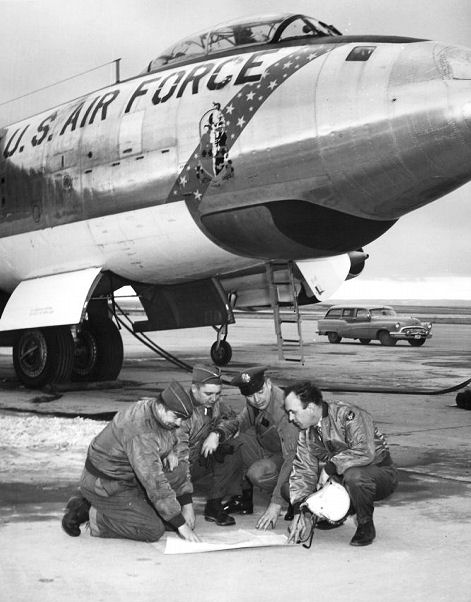
Strategic Air Command began replacing its propeller-driven B-29s and B-50s with Stratojets in May 1951. The B-47 carried about the same bomb tonnage as those bombers but was more than 200 mph faster. It lacked the range of the heavy bombers, so B-47 units regularly rotated to forward bases overseas. Those deployments lasted three months at first, then shrank to three weeks under the Reflex Action program starting in 1957. Heavy jets of the day also struggled to get airborne, so the early B-47s used rocket bottles to boost takeoffs.
At its peak in 1958, the Air Force flew 1,357 B-47 bombers and 175 RB-47 reconnaissance aircraft. The reconnaissance versions flew photo missions over the Soviet Union between 1952 and 1956 and later collected radar intelligence along its borders. Soviet fighters shot down two RB-47s.
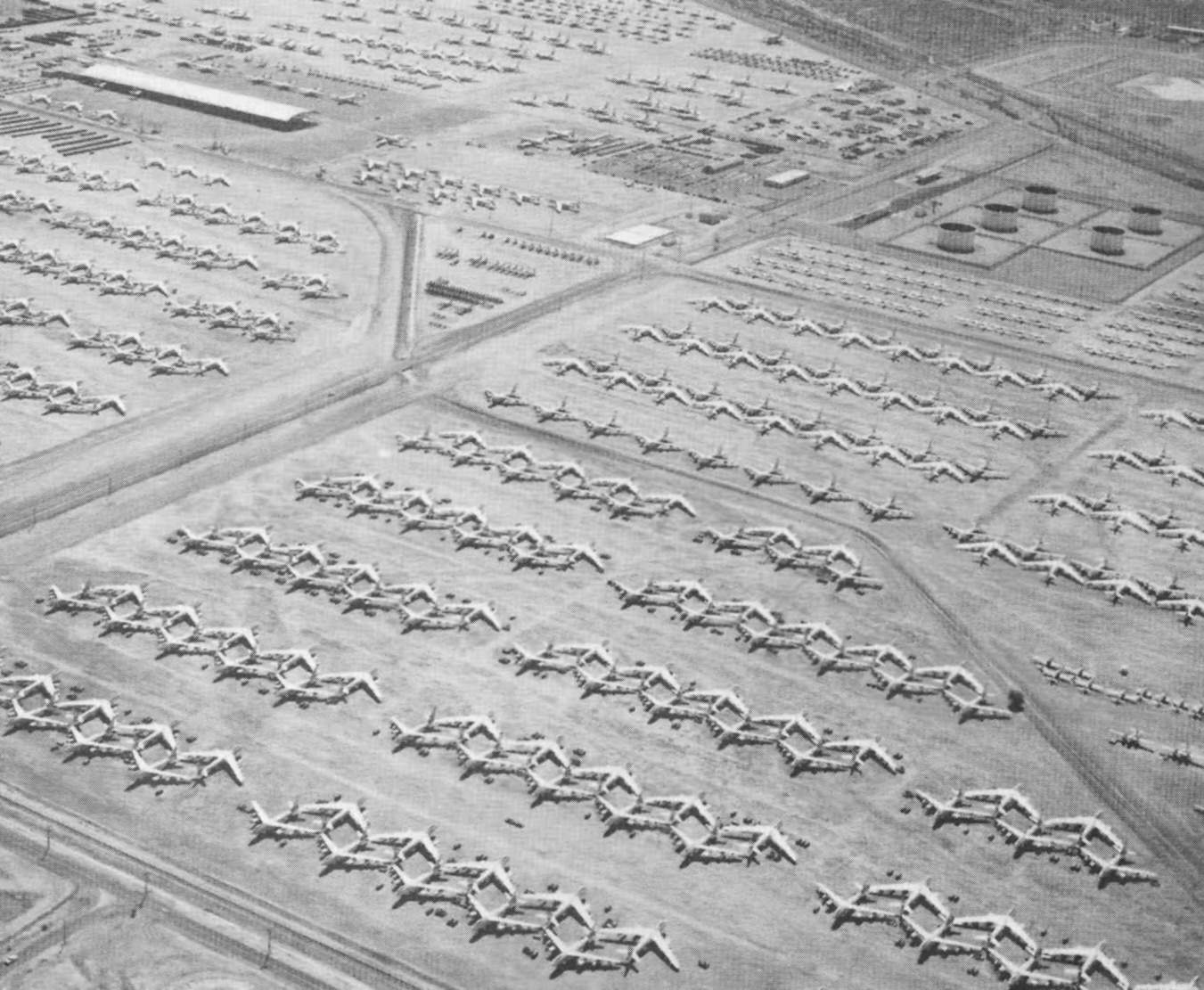
Boeing, Douglas, and Lockheed built more than 2,000 Stratojets between 1947 and 1957. The last B-47 bombers left service in 1965, and the final Stratojet, a WB-47E weather aircraft, was retired in 1969.
Aircraft: Boeing B-47E Stratojet
- Length: 107 ft 1 in (32.6 m)
- Wingspan: 116 ft (35.4 m)
- Height: 28 ft (8.5 m)
- Max weight: 226,000 lb (102,508 kg)
- Engines: six General Electric J47 turbojets, 7,200 lb thrust each
- Max speed: 610 mph (982 km/h)
- Range: 3,500 mi (5,633 km)
- Ceiling: 39,300 ft (11,979 m)
- Armament: two 20mm cannons in the tail, plus up to 10,000 lb of conventional bombs or one nuclear weapon
- Crew: 3